
Nationwide Drug and Alcohol Addiction Treatment
- Whether it's you or someone you love, we're here
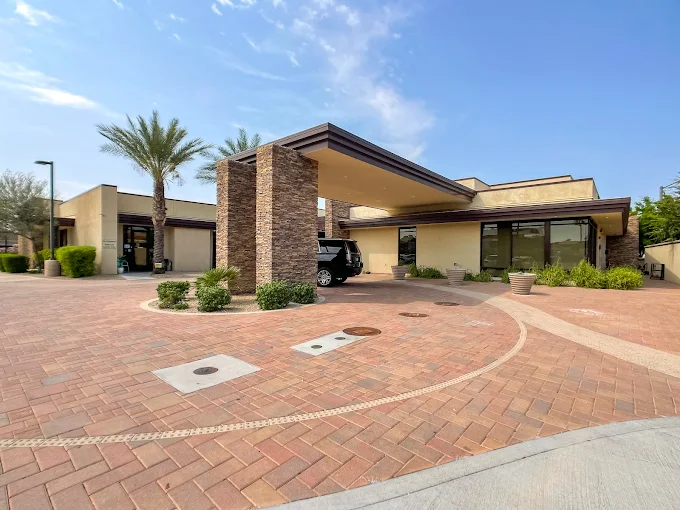
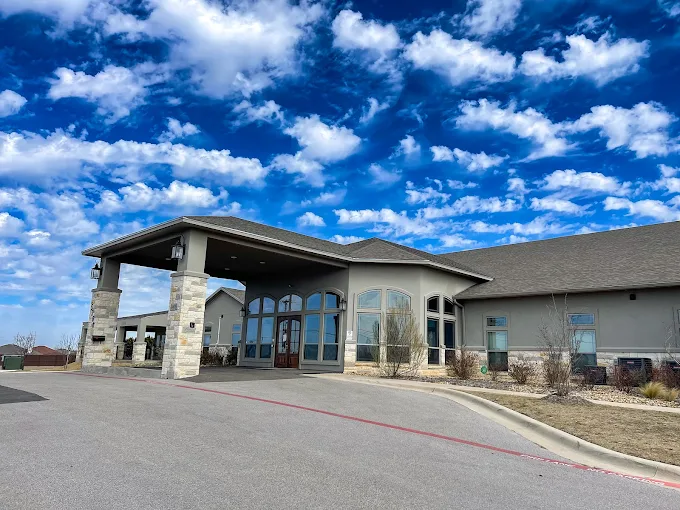
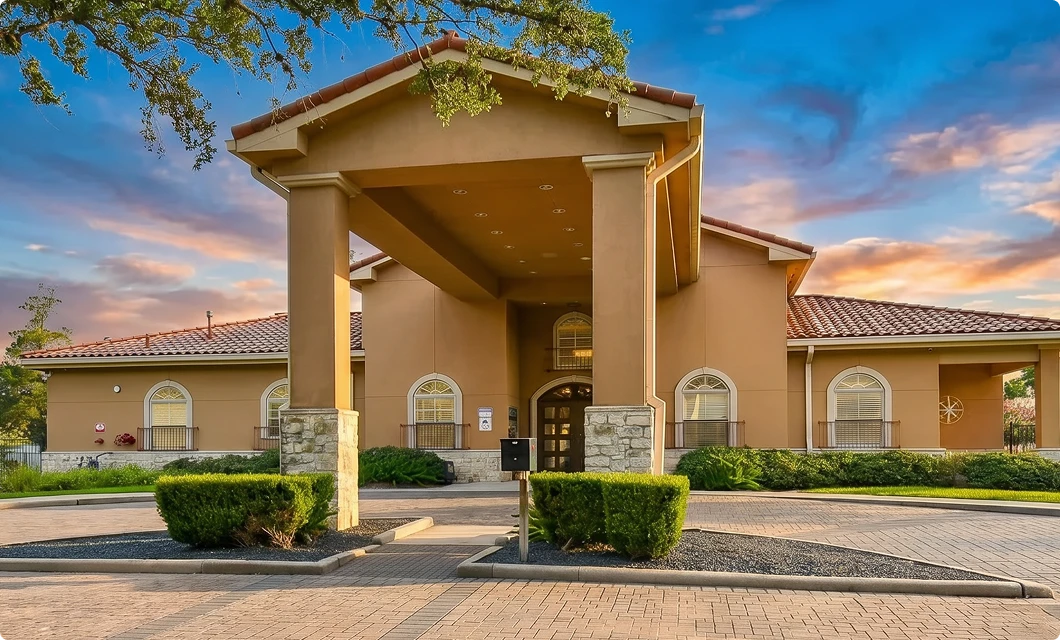
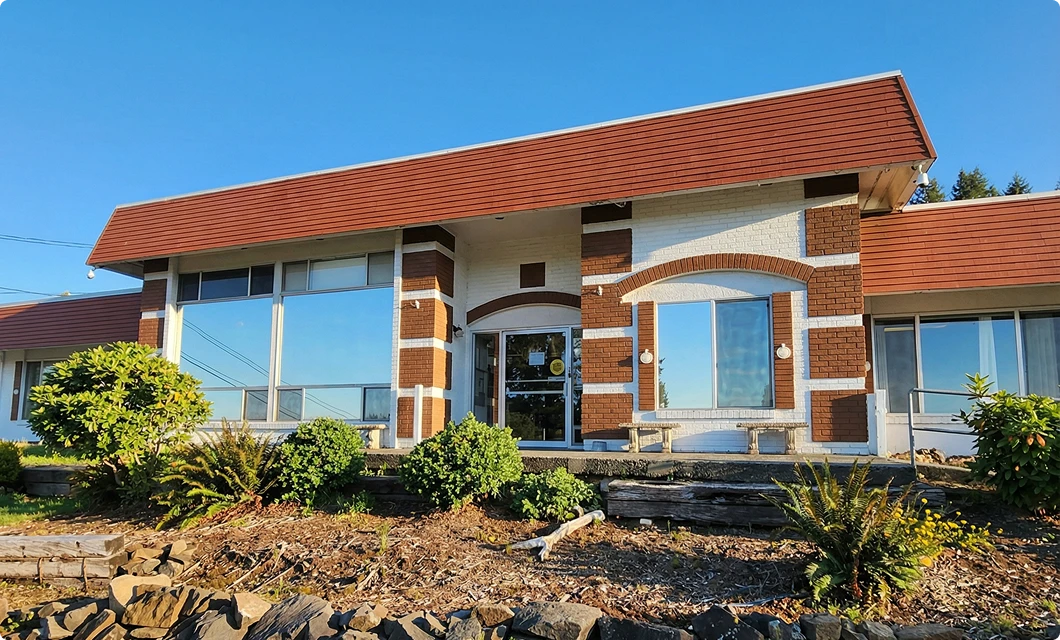
- Six facilities across Arizona, Texas, Nevada and Oregon
- Admissions plans your arrival from anywhere in the country
- Equine therapy, eating disorder care and a veteran track at select sites
- Most major insurance accepted, and verification is free
If this is a medical emergency, call 911. For a mental health or suicide crisis, call or text 988.

Medically reviewed by
Dr. Keith Garcia, MD, PhD, Medical Director
Last reviewed August 2026






You're not alone in this
Getting help for yourself, or for someone you love.
Insurance
We accept most major insurance plans.








And most PPO plans. Coverage varies by plan and by facility, so if your carrier is not shown, ask rather than assume.
- Free, and there is no obligation at the end of it
- Usually answered within minutes during the day
- You can check on behalf of someone else
- Admissions answers the phone 24 hours a day
- No insurance? Ask about private pay options. Nobody is turned away without knowing their next step.
Check my insurance coverage

100% confidential · No commitment required
What we treat
Addiction treatment, with mental health care built in.
Substance use and the conditions underneath it are treated in one plan, by one team, rather than referred out.
Levels of care
Detox, residential, PHP and IOP, with the same team throughout.
Specialty programming, at specific locations
See all programs →Our locations
Our addiction treatment centers in Arizona, Texas, Nevada and Oregon.
- Six facilities across four states, and a large share of the people we treat came from somewhere else
- Admissions plans the arrival and checks your insurance in the same conversation
- If you are already in one of our states, we will usually send a car to your door at our cost, and home again when you complete treatment
Meet our team
Two of our regional directors are U.S. Army veterans.
- Credentialed clinicians across medicine, nursing, nutrition and therapy — MD, PhD, APRN, RN, RD, LCSW and LCDC among them
- A medical director with an MD and a PhD, overseeing detox and MAT protocols
- A registered dietitian directing nutrition and culinary services
- Registered nurses and psychiatric nurse practitioners on staff, not counsellors alone

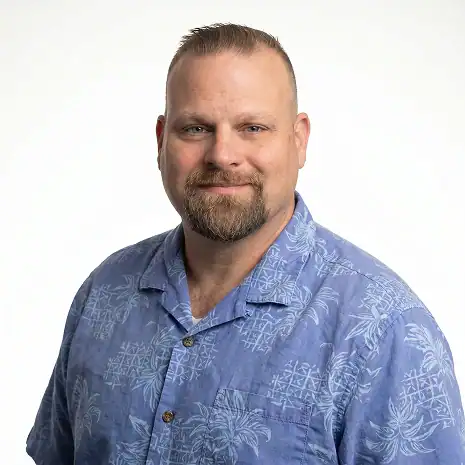
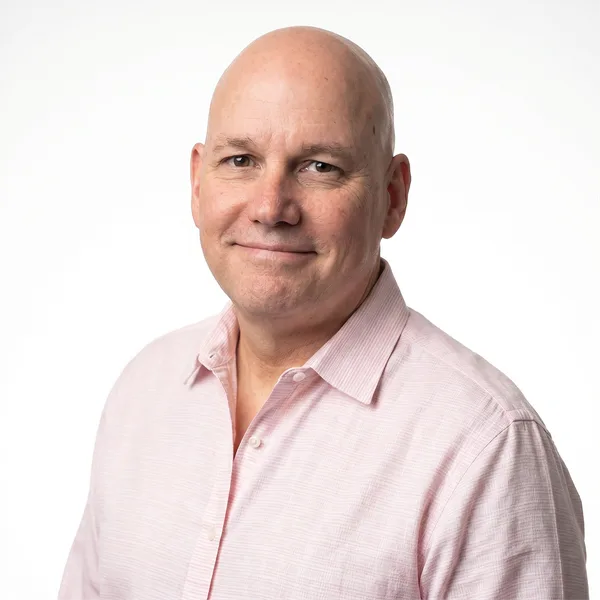 Dr. Keith Garcia, MDMedical Director — network-wide medical oversight of detox and MAT protocols.
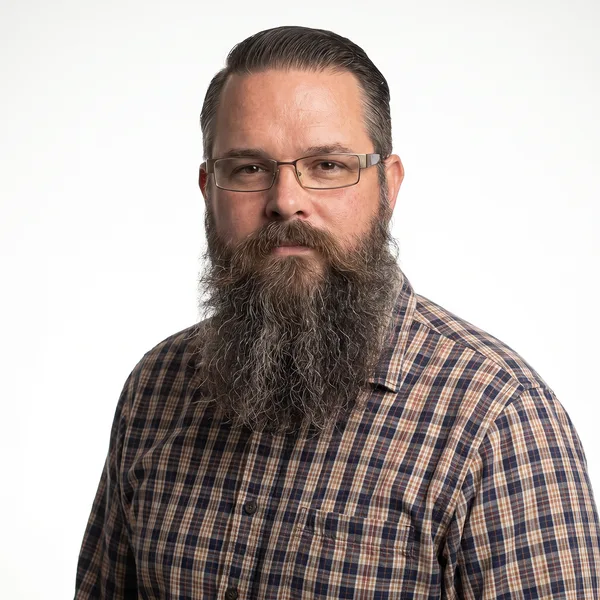 David Jaskowiak, LPC-SClinical Director, Killeen — clinical leadership across the residential program.
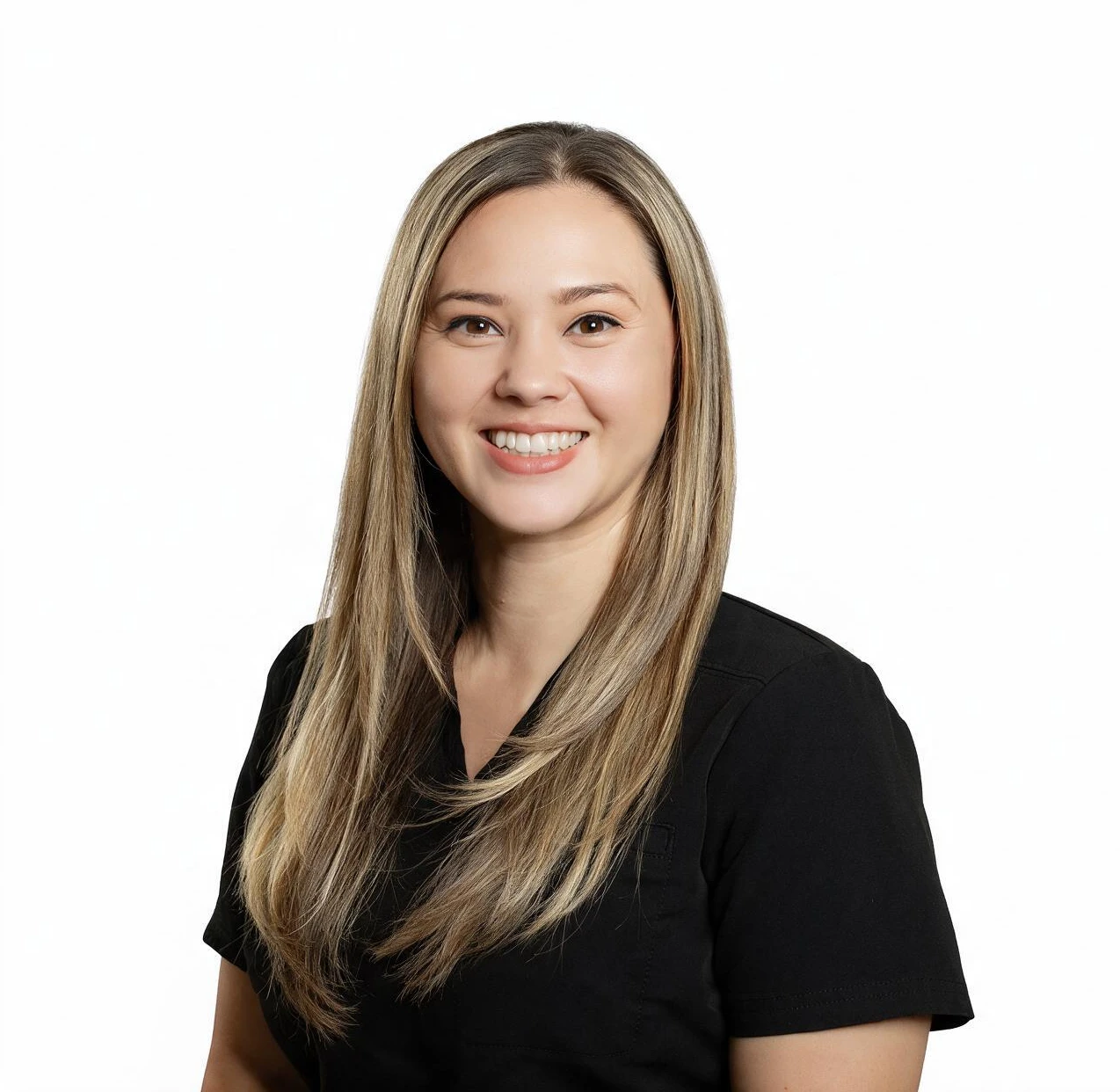 Laura De Fiesta, MS, RD, LDDirector of Nutrition & Culinary Services — eating disorder and nutrition care.
In their words
What people say after treatment.

This residential facility was truly amazing. The staff is kind, professional, and made me feel safe and supported the entire time. The medical team was attentive, and the facility was clean and comfortable. I'm very grateful for the care I received and would highly recommend this place to anyone needing help.
Sun City West, AZ · Google
Virtue has been one of the best experiences that I have had on my journey to recovery. The staff is all very amazing , kind , compassionate, and I would recommend anyone , in any state , who’s trying to get clean & get a good jump start on recovery to go here. I spent 27 hours to a bus from South Carolina to Texas & that was the best thing I did in my life. #VirtueRecovery #ItIsPossible #WeDoRecover
Killeen, TX · Google
Virtue Recovery Houston has saved my life. When you enter the doors you are just a client but you become family. The staff treats the whole person not just disease or sickness. They truly changed my life.
Houston, TX · Google
This place was a miracle for me. It supported not only substance abuse issues but abnormal eating issues as well. I can't explain how beautiful and well kept it is. The food was great and the techs were top notch. If you're considering treatment this is the perfect place for you.
Las Vegas, NV · Google
I can truly say this place saved my life. The person that walked out after 33 days was a completely different person than the one who walked in. The counselors are amazing, especially Michelle. She made a huge impact on me and helped so much in my recovery. Thank you, Virtue. I wouldn't be here to write this without you.
Houston, TX · Google
Anyone looking to seek help and start a new way of life should start here. This wasn't my first treatment center, but my experience here was nothing short of wonderful. The staff was extremely supportive, welcoming, and helped me in ways I will always be grateful for. Never be afraid to ask for help or to start over. Thank you Virtue for helping me stand up on my own 2 feet again.
Las Vegas, NV · Google
Reviews are unedited and pulled from Google. They reflect individual experience and are not a guarantee of outcome.
Common questions
Questions people ask before they call
You can call and ask any of these directly. No obligation, no pressure — someone answers 24 hours a day.
(866) 461-3339- Can I keep my phone during treatment?
- There is a short adjustment period at the start of treatment — typically the first 48 hours — and a facility landline is available during it, so you are not cut off from family. After that your phone comes back and you can use it any time you are not in programming.More on what residential is like →
- How long are your treatment programs?
- Medical detox is usually around seven to ten days, depending on the substance and how your body responds. Residential runs longer, and the length is set after your assessment rather than before it.Compare the levels of care →
- Can I go to rehab with a court case or probation?
- Yes. People come to us through drug court, on probation, and while cases are pending. Tell admissions what your requirements are on the first call so the plan is built around them from the start rather than around them surfacing later.How admissions works →
- How old do you have to be for rehab?
- Eighteen and over — our facilities treat adults only. If you are calling about someone younger, say so early on the call and we will point you toward adolescent services rather than take you through an intake that cannot end in an admission.Adolescent options →
- I do not have a car. Can you get me to the facility?
- If you are in the same state as the facility we can usually arrange the ride and cover it, including the trip home when you complete treatment. Coming from further away you arrange your own travel, but admissions will plan the arrival timing with you.How admissions works →
- Can my family visit during treatment?
- It varies by facility, so ask about the one you are considering. At Killeen, residential visitation is Sundays 1 to 4pm for visitors aged 13 and up, and there is no visitation during detox, which is a shorter, medically focused stage of care. Family therapy is part of many treatment plans wherever you are.For families and loved ones →
- Will I have my own room in rehab?
- At our Las Vegas Corbett campus, yes — every guest has a private room, with no roommates. Elsewhere it varies by facility, so ask on the call.See the Las Vegas campus →
- I am scared of withdrawal. How bad is detox?
- That fear is the reason medical detox exists. You are monitored around the clock by nursing staff, and comfort medications are used to manage symptoms rather than leaving you to ride them out. If you are shaking, hallucinating, or have had a seizure, go to an emergency room now rather than to us first — alcohol and benzodiazepine withdrawal can be genuinely dangerous, and our admissions staff will tell you the same thing on the phone.What medical detox involves →
- What should I bring to rehab?
- Comfortable clothing, closed shoes and slippers, and your ID and insurance card if you have them. Toiletries need to be alcohol-free, so check the first three ingredients. Admissions will go through the full list with you before you arrive.Preparing to arrive →
- Can I leave treatment if I change my mind?
- Yes. Treatment is voluntary and you are not locked in. Leaving before you finish does mean you are responsible for getting yourself home, and it is worth talking to your clinical team first — the hardest days are usually the early ones, and they pass.
- Can you treat me if I am pregnant?
- At our Texas locations, Killeen and Houston. Our other locations do not accept pregnant women for detox, and even in Texas there are situations we are not the right place for — so this is one to raise at the very start of the call rather than at intake.Pregnancy and treatment →
- I have children. What happens to them while I am in treatment?
- We do not provide childcare, and it would be wrong to suggest otherwise. What admissions does do is help you plan around it — custody, school, who covers what and for how long — before you commit to a date.Going to rehab when you have children →
- Will I lose my job if I go to rehab?
- Treatment for substance use is a qualifying condition under the FMLA if you work for a covered employer, which means protected leave. Your employer learns you are on medical leave, not what for.Job protection and life logistics →
- Who finds out I was in treatment?
- Your treatment is protected health information. We do not confirm to anyone — including family — that a specific person is here, without their written authorisation. That cuts both ways: if you call trying to locate someone, admissions will not be able to confirm it either.
Still have questions? Call us.
Ask what it costs, ask whether you would keep your job, ask what the first night is like, or ask how to raise it with someone you love. A real person answers at any hour, and you can hang up and think about it.
Confidential. No obligation. Someone answers, 24 hours a day.
In a medical emergency call 911; for a mental health or suicide crisis call or text 988.