
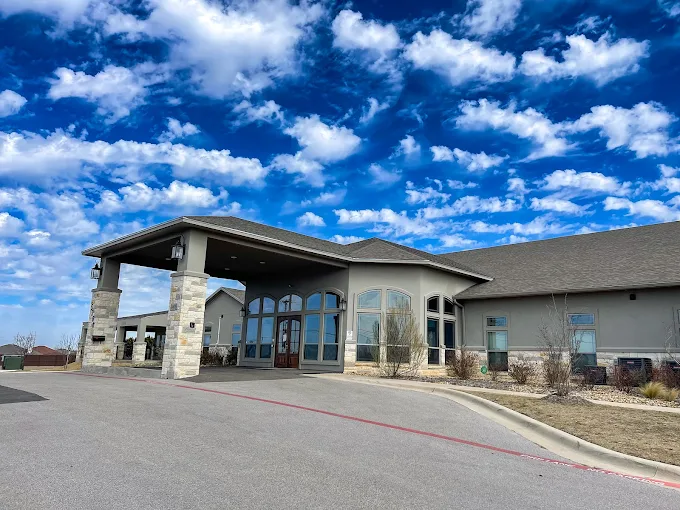
Killeen, TX
View →Heather Cariker, APRN, PMHNP-BC provides on-site psychiatric care. CBT and DBT address low mood and motivation, supported by equine, art, music, and sound healing for clients who struggle to engage in traditional talk therapy.

Medically reviewed by
Heather Cariker, MSN, APRN, PMHNP-BC, Psychiatric Nurse Practitioner
Last reviewed August 2026

Free & confidential • No obligation • Usually answered within minutes





Depression and substance use disorders show up together often. Sometimes because substances are used to numb persistent low mood, hopelessness, or a lack of motivation, and sometimes because ongoing substance use deepens or triggers a depressive episode. Either can come first, and each tends to make the other harder to manage on its own.
The clinical term for this overlap is "dual diagnosis" or "co-occurring disorder." Treating one and waiting on the other works less well than addressing both together. Integrated treatment means your depressive symptoms and your substance use are worked on at the same time, by the same clinical team.
At Virtue, substance use disorder is the primary diagnosis we're built to treat. Depression is addressed concurrently throughout your time with us. Through psychiatric evaluation, medication management where appropriate, and therapies like CBT and ACT. Rather than deferred until after discharge.
Virtue specializes in addiction treatment. Substance use disorder is the primary diagnosis we treat. If your primary need is standalone psychiatric care for depression without a substance use component, we'll be direct about whether we're the right fit and help connect you with appropriate resources.
Evidence-based therapies adapted for clients with both a substance use disorder and co-occurring depression. Most are available across all residential locations.
Cognitive Behavioral Therapy addresses the thought patterns that reinforce both depression and substance use. Foundational to treatment at every location.
Psychiatric medications continued and managed throughout treatment by on-site psychiatrists and psychiatric NPs. Evaluated at intake, adjusted as needed.
Acceptance and Commitment Therapy builds psychological flexibility. Useful for clients whose depression shows up as avoidance or disengagement.
Dialectical Behavior Therapy for emotional dysregulation, often present alongside depressive symptoms and substance use.
Yoga, meditation, art therapy, music therapy, equine-assisted therapy, sound healing. Experiential work that can reach clients who struggle to engage in talk therapy alone.
All programming is trauma-informed, since depression frequently co-occurs with unprocessed trauma as well as addiction.
Weekly family sessions available at most locations. Depression and addiction affect the whole family system. Family involvement supports recovery.
Planning that accounts for the interplay between depressive episodes and relapse risk, built into aftercare planning before discharge.
Depression alongside addiction is addressed differently at each level of care, as the intensity of both clinical and medical support changes.
Focused on safely managing physical withdrawal. Psychiatric evaluation begins here so medication needs are identified early, before residential treatment starts.
Daily group and individual therapy, psychiatric provider visits at least weekly, and medication management, for as long as your clinical progress calls for.
Structured daily programming (typically 6 hours/day, 5 days/week) with continued psychiatric oversight as clients transition out of residential care.
Reduced schedule (typically 3–5 days/week, 3 hours/day) with weekly individual therapy and ongoing medication management for clients building independence.
Discharge planning includes continuity of psychiatric care and therapy referrals so depression treatment doesn't stop when the program ends.
Co-occurring depression treatment is integrated across all six Virtue facilities, each with a distinct clinical focus.
Heather Cariker, APRN, PMHNP-BC provides on-site psychiatric care. CBT and DBT address low mood and motivation, supported by equine, art, music, and sound healing for clients who struggle to engage in traditional talk therapy.

On-site psychiatric evaluation and medication management is available across all levels of care. Private villa residential setting also treats co-occurring eating disorders alongside depression and addiction.
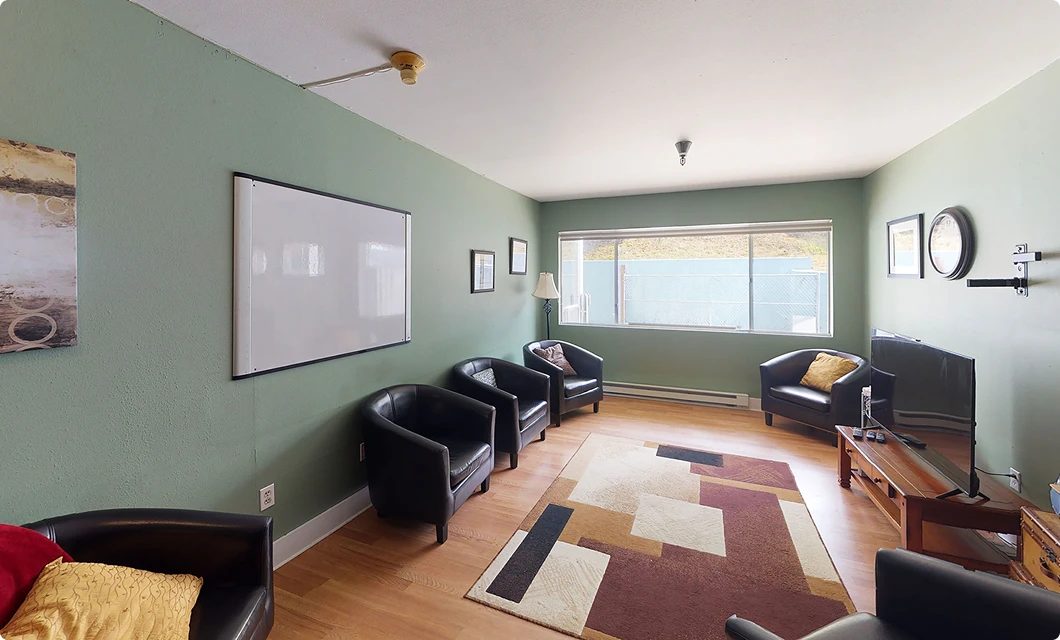
Masters-level co-occurring clinician on staff. CBT, DBT, ACT, and MET are integrated across individual and group therapy to address depressive symptoms alongside substance use.
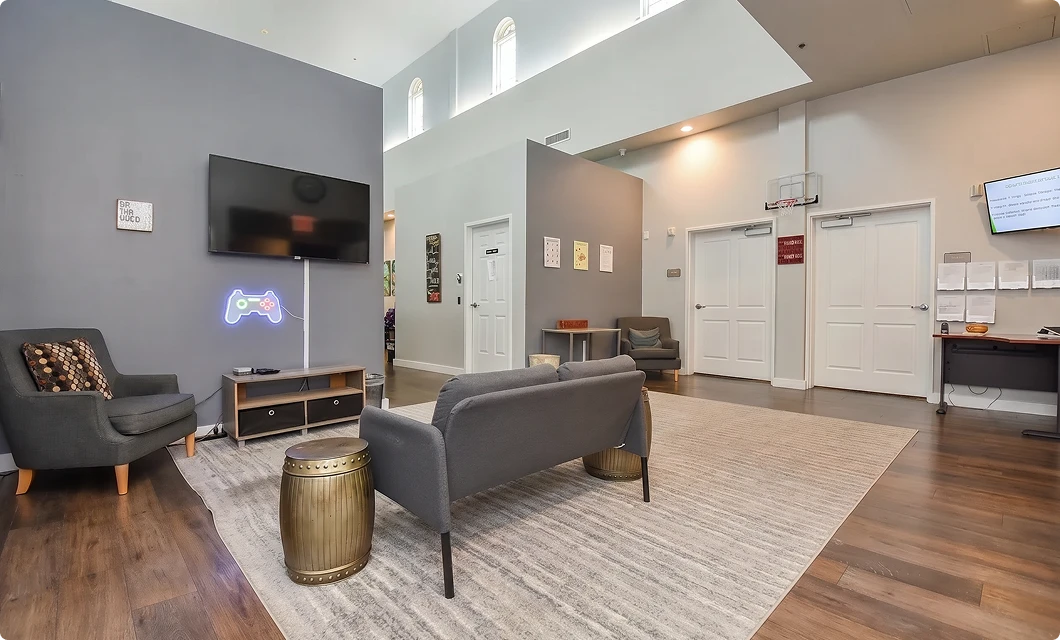
Psychiatrist on-site within 24 hours of admission for every client. Medication management and mood-focused care begin early in the residential stay, alongside primary addiction treatment.
PHP and IOP with weekly psychiatry appointments. CBT and mindfulness-based groups address depressive symptoms while clients step down from residential or begin outpatient care.
I didn't want to talk to anyone when I got there. Low, numb, going through the motions. The equine sessions were what actually got me moving again, the CBT work stuck better once I wasn't so shut down all the time.
They took the depression as seriously as the drinking from day one. My medication was reviewed within 24 hours of admission and actually changed twice while they found something that worked. Nobody made me feel like I had to pick which problem was more important.
The ACT work was different from any therapy I'd done before. Instead of just fighting the low mood, I learned how to keep moving through it. Combined with CBT for the substance use side, it was the first program that treated both as connected instead of separate problems.
A psychiatrist saw me the day after I arrived. I wasn't expecting that. My depression had been undiagnosed for years and was tangled up with the drinking. Having someone address the medication side immediately changed how the rest of treatment went.
Stepping down to IOP, I was worried the depression side would get less attention once the acute part of treatment was over. It didn't. Weekly psychiatry kept going, and the CBT groups kept the momentum from residential instead of starting over.
Reviews are sourced from Google. Virtue Recovery Center does not edit, curate, or incentivize reviews.
Common questions
Anything not answered here, ask on the call. There is no obligation.
(866) 461-3339You are allowed to ask
Most people who call us are calling about someone they love. You can ask about the options and check their insurance on their behalf, and it stays a conversation until you decide otherwise.
Related reading
Dual diagnosis treatment
How co-occurring conditions are treated in one plan by one team.
Read the guide →Mental health at Virtue
The conditions we treat concurrently, and where the boundaries are.
Read the guide →Therapies we use
CBT, DBT, EMDR and the experiential work, and where each one fits.
Read the guide →Residential treatment
What a stay involves and the psychiatric support that comes with it.
Read the guide →Insurance








And most PPO plans. Coverage varies by plan and by facility, so if your carrier is not shown, ask rather than assume.
100% confidential · No commitment required
Tell us what has been happening with both the depression and the substance use. Admissions will verify your insurance and arrange a clinical assessment, and a real person answers at any hour.
Confidential. No obligation. Someone answers, 24 hours a day.
