
Alcohol Addiction Treatment
- Alcohol is one of the few withdrawals that can be medically dangerous. Do not stop alone
- 24/7 nursing and daily physician visits during detox
- An individualised, medically supervised withdrawal protocol
- Direct step-down from detox into residential, PHP or IOP with the same team

Medically reviewed by
Dr. Keith Garcia, MD, PhD, Medical Director
Last reviewed August 2026
Check your insurance

Free & confidential • No obligation • Usually answered within minutes





Why medical detox matters
Alcohol is one of the few substances where withdrawal can genuinely be dangerous.
If you drink heavily or daily, stopping suddenly can trigger withdrawal ranging from tremors and anxiety to, in severe cases, seizures or a condition called delirium tremens (DTs), a real medical risk, which is why alcohol detox at Virtue is medically supervised. Under 24/7 nursing and daily physician care, that risk is managed safely with monitoring and medications to keep you comfortable, not left to manage alone.

What treatment looks like
Detox stabilizes you. Treatment is where recovery happens.
Detox addresses physical dependence, but it is not treatment on its own. Withdrawal management without follow-on care leaves the reason someone was drinking untouched, which is why the plan matters more than the week. After detox, your plan draws on:
CBT
Cognitive behavioral therapy. Identifying the thoughts and situations that drive drinking, and building different responses to them.
DBT
Emotional regulation and distress-tolerance skills, especially useful when drinking has been a way of coping with intense feelings.
EMDR
Trauma processing for clients whose drinking is tied to past trauma, in individual sessions at multiple locations.
Motivational Interviewing
A collaborative approach that meets you where you are, rather than pushing a fixed script of what recovery should look like.
Relapse Prevention
Concrete planning for triggers, high-risk situations, and the early warning signs of returning to drinking.
Dual-Diagnosis Care
Integrated treatment for alcohol use alongside anxiety, depression, trauma, or other mental health conditions.
Experiential and Holistic
Equine therapy, art and music therapy, and other approaches that support the clinical work in a different way.
Family Programming
Support for the people around you, since alcohol use disorder affects the whole household, not just the person drinking.
Alcohol rarely shows up alone
Other substances and mental health conditions, treated together.
Drinking is rarely the only thing in the picture. Methamphetamine is especially common alongside alcohol, and anxiety, depression or trauma is often underneath both. We treat all of it as one coordinated plan, not separate referrals you have to juggle.
Medication support
Medications that support recovery, not just detox.
During detox, medications are used to manage withdrawal safely. Your protocol is individualized and supervised by your medical team. After detox, several FDA-approved medications can support ongoing recovery, prescribed based on your history and a medical evaluation:
Naltrexone
Reduces the urge to drink by blocking the reward response. Available as a daily pill or monthly injection (Vivitrol).
Acamprosate
Helps stabilize brain chemistry disrupted by chronic alcohol use, easing cravings during early recovery.
Disulfiram
Causes an unpleasant reaction if alcohol is consumed. A deterrent-based option for motivated clients.
Levels of care
From detox to independence, one team the whole way.
Find a center
Alcohol treatment across Arizona, Nevada, Texas, and Oregon.
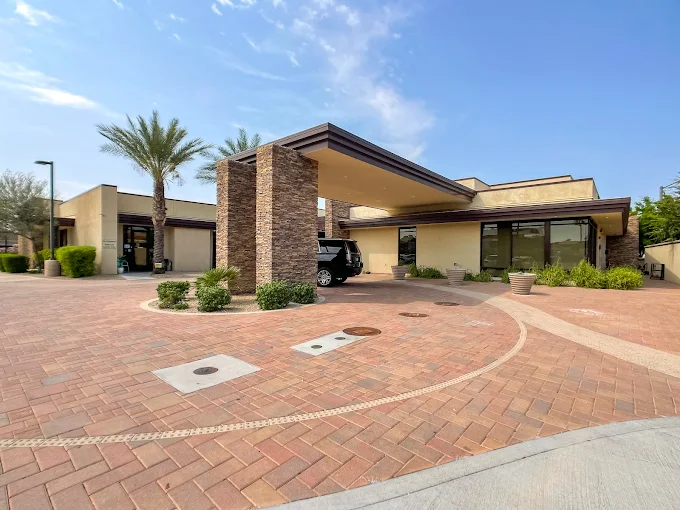 Arizona · Detox only Dedicated detox facility. 24/7 RN coverage, daily physician visits, individualized withdrawal protocol.
  Nevada · Detox + residential Las Vegas Detox villa, then step directly into a private residential villa. No roommates.
  Texas · Detox + residential Houston Detox through residential care, with psychiatric evaluation within 24 hours of admission.
  Texas · Detox + residential Killeen Medical detox and residential treatment on one campus, including Warriors Path for veterans.
 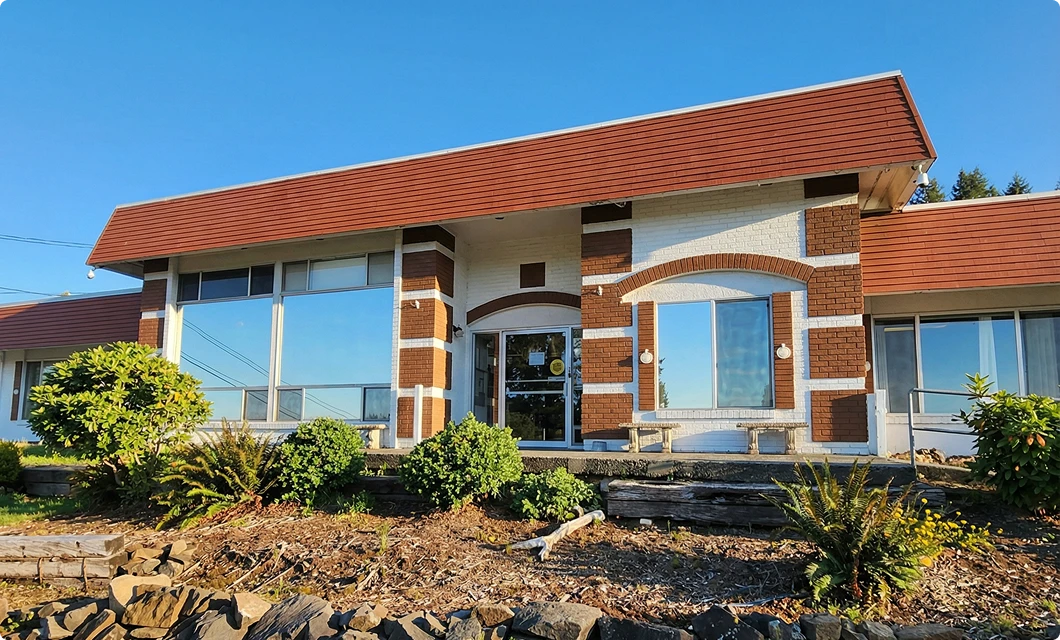 Oregon · Detox + residential Astoria Detox with step-in to residential. EMDR and CPT available for clients whose drinking is trauma-linked.
 Common questions
Questions people ask about alcohol treatment
Anything not answered here, ask on the call. There is no obligation.
(866) 461-3339- Is it dangerous to stop drinking on your own?
- It can be. Alcohol is one of the few substances where suddenly stopping can be medically dangerous, and in severe cases withdrawal can cause seizures or a life-threatening condition called delirium tremens (DTs). That's exactly why medically supervised detox matters: under 24/7 care, withdrawal is managed safely with monitoring and medication. If you drink heavily or daily, the safest way to stop is with medical support, not cold turkey at home.
- How long does alcohol detox take?
- Alcohol detox typically lasts around 7 to 10 days, though the exact length depends on how much and how long you've been drinking and your overall health. Withdrawal symptoms usually peak in the first couple of days and ease from there, and our medical team monitors you throughout to keep you safe and comfortable. After detox, most people continue into treatment to build lasting recovery.
- Will I have withdrawal symptoms, and will there be medication to help?
- Most people experience some withdrawal, which can include anxiety, sweating, nausea, insomnia and shakiness. Our medical team uses comfort medications to manage those symptoms and keep you safe. You shouldn't have to suffer through it; the goal of medical detox is to make withdrawal as safe and comfortable as possible. Our staff monitors you around the clock and adjusts your care as needed.
- Do I need inpatient rehab for alcohol, or is outpatient enough?
- It depends on your history, your health and your support system. Both can work, and our team helps you find the right fit. Many people benefit from starting with medical detox and residential (inpatient) treatment for structure and safety, then stepping down to outpatient care as they get stronger. During a quick, confidential call we can talk through your situation and recommend the level of care that makes sense for you.
- Can you treat alcohol addiction along with anxiety, depression, or other substances?
- Yes. Many people who struggle with alcohol are also dealing with anxiety, depression, trauma or other substance use, and methamphetamine in particular is common alongside alcohol. Treating those together, as one coordinated plan rather than separately, gives you a much stronger foundation for recovery.
- Can I start alcohol detox today?
- When someone is ready to stop drinking, waiting is the enemy, and our admissions team treats it that way. Call and they will verify your insurance, arrange the clinical assessment and walk you through the next steps in the same conversation. If you are already in withdrawal, say so at the start of the call.
- Does insurance cover alcohol treatment?
- Most commercial and PPO plans cover medically necessary alcohol detox and treatment, Coverage depends on your specific plan, so the easiest next step is a free, confidential insurance verification. We will check your benefits and explain your options with no obligation.
You are allowed to ask
If you are calling for someone else
Most people who call us are calling about someone they love. You can ask about the options and check their insurance on their behalf, and it stays a conversation until you decide otherwise.
Related reading
Medical detox
What supervised withdrawal involves, who is in the building, and what the first days look like.
Read the guide →Residential treatment
What a stay looks like once detox is behind you.
Read the guide →Dual diagnosis
Anxiety, depression and trauma treated in the same plan by the same team.
Read the guide →How long alcohol stays in your system
The question people ask first, answered properly.
Read the guide →The five hardest withdrawals
Which ones are actually dangerous, and why alcohol is on the list.
Read the guide →Insurance
We accept most major insurance plans.








And most PPO plans. Coverage varies by plan and by facility, so if your carrier is not shown, ask rather than assume.
- Free, and there is no obligation at the end of it
- Usually answered within minutes during the day
- You can check on behalf of someone else
- Admissions answers the phone 24 hours a day
- No insurance? Ask about private pay options. Nobody is turned away without knowing their next step.
Check my insurance coverage
100% confidential · No commitment required
Still have questions? Call us.
Admissions will verify your insurance and coordinate transport, and a clinical assessment decides where you start. Stopping alcohol alone can be dangerous, so if you are shaking, sweating or seeing things, go to an emergency room first and call us afterwards.
Confidential. No obligation. Someone answers, 24 hours a day.
