
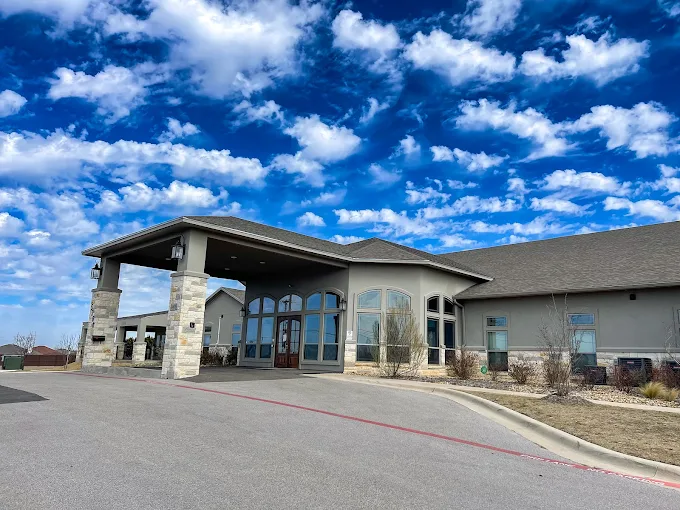
Killeen, TX
View →Residential program built explicitly for adults with SUD and co-occurring mental health issues. Trauma-focused programming, Warriors Path veteran track. Clinical Director: David Jaskowiak, LPC.
Medically reviewed by
Dr. Keith Garcia, MD, PhD, Medical Director
Last reviewed August 2026

Free & confidential • No obligation • Usually answered within minutes





Substance use disorders and mental health conditions frequently co-occur, often because people use substances to cope with overwhelming symptoms like anxiety, depression, or unprocessed trauma. Either can develop first. Either can make the other worse.
The clinical term is "dual diagnosis" or "co-occurring disorders." The research is clear: treating them separately, addiction first and mental health later, works less well than treating them together. Integrated treatment means both are addressed simultaneously by the same team, within the same program.
At Virtue, substance use disorder is the primary diagnosis we're built to treat. Mental health conditions. Anxiety, depression, PTSD, and others. Are addressed concurrently throughout your time with us. You won't be told to wait. You won't be referred out. You'll have a psychiatrist, therapist, and case manager who treat the whole picture from day one.
Virtue specializes in addiction treatment. Substance use disorder is the primary diagnosis we treat. If your primary need is standalone psychiatric care without a substance use component, we'll be direct about whether we're the right fit and help connect you with appropriate resources.
Evidence-based therapies adapted for clients with both a substance use disorder and a co-occurring mental health condition. Most are available across all residential locations.
Cognitive and dialectical behavioral therapies. Foundational for both addiction and mood disorders. DBT is especially effective for emotional dysregulation.
Eye Movement Desensitization and Reprocessing. Trauma processing for clients whose addiction is rooted in unprocessed experiences. Available at Killeen, Las Vegas, and Astoria.
Cognitive Processing Therapy for PTSD. Available at Astoria and Houston, particularly relevant for veterans and trauma survivors.
Acceptance and Commitment Therapy and Motivational Enhancement Therapy. Build psychological flexibility and intrinsic motivation for change.
Psychiatric medications continued and managed throughout treatment by on-site psychiatrists and psychiatric NPs. Evaluated at intake, adjusted as needed.
All programming is trauma-informed. Killeen's residential program has an explicit trauma focus across groups and individual therapy.
Yoga, meditation, art therapy, music therapy, equine-assisted therapy, sound healing. Experiential work often reaches what structured therapy alone cannot.
Weekly family sessions available at most locations. Addiction and mental health affect the whole family system. Family involvement supports recovery.
Co-occurring mental health treatment is integrated across all six Virtue facilities, each with a distinct clinical focus.
Residential program built explicitly for adults with SUD and co-occurring mental health issues. Trauma-focused programming, Warriors Path veteran track. Clinical Director: David Jaskowiak, LPC.

Psychiatric evaluations, medication management, and MAT across all levels. EMDR-trained clinicians. Also treats co-occurring eating disorders. Private villa residential setting.
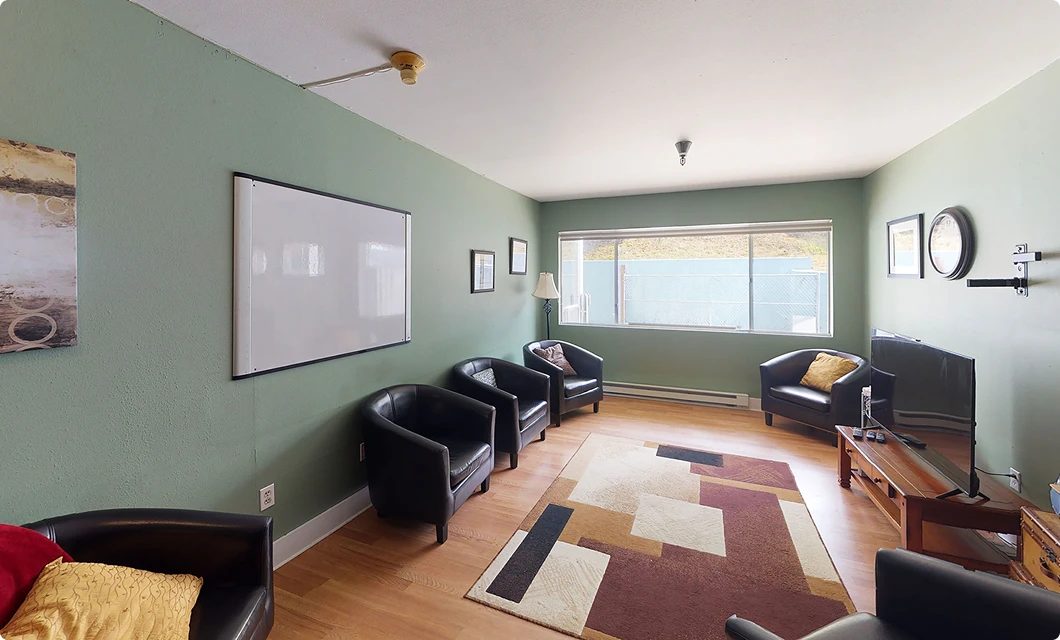
Masters-level co-occurring clinician on staff with EMDR and CPT training. Full modality set: DBT, CBT, ACT, MET, CPT integrated across individual and group therapy.
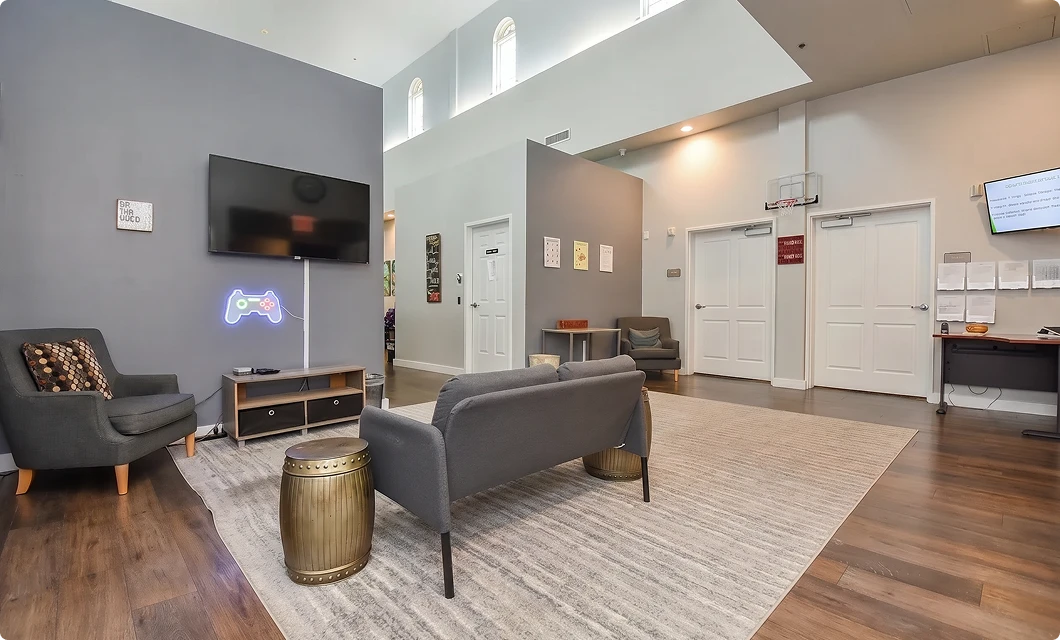
Psychiatrist on-site within 24 hours of admission for every client. Co-occurring mental health treated alongside primary SUD throughout the residential stay.
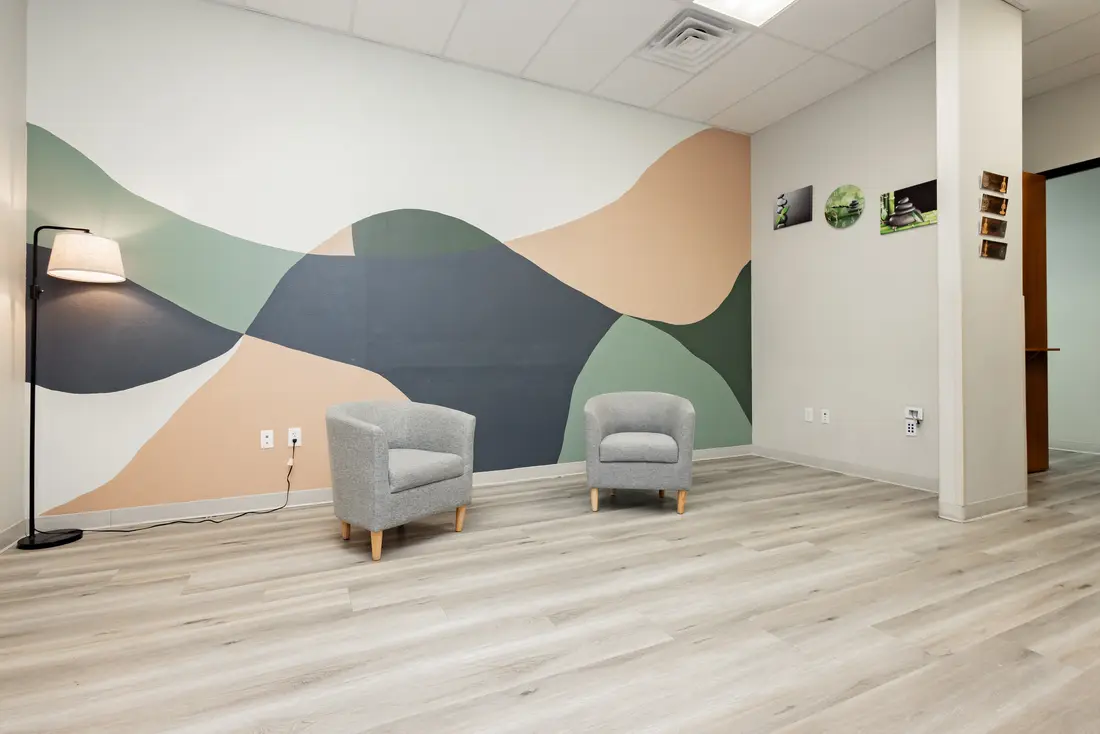
PHP and IOP built specifically for comorbid diagnoses. Substance use, eating disorders, and mental health addressed simultaneously. Weekly psychiatry, EMDR, trauma-informed, DBT, mindfulness.
Coming back from deployment with PTSD and a substance problem, I needed somewhere that understood both. The trauma work at Killeen was real, not just checking a box. David Jaskowiak and the clinical team there are the real deal.
The EMDR sessions finally gave me a way to process things that had been driving my drinking for years. I'd done CBT before but the trauma work opened something different. Having it as part of the same program, not a referral, not "maybe later". Made all the difference.
I came in for opioids but I've struggled with depression and an eating disorder my whole life. The Montessouri program handled all three without making me feel like I needed to pick which one mattered most. The weekly psychiatry and the nutrition sessions were both part of the same plan.
They had a psychiatrist see me within the first 24 hours. I wasn't expecting that level of responsiveness. My co-occurring diagnosis was taken seriously from the first day, it wasn't an afterthought once the detox was done.
Reviews are sourced from Google. Virtue Recovery Center does not edit, curate, or incentivize reviews.
Common questions
Anything not answered here, ask on the call. There is no obligation.
(866) 461-3339You are allowed to ask
Most people who call us are calling about someone they love. You can ask about the options and check their insurance on their behalf, and it stays a conversation until you decide otherwise.
Related reading
Dual diagnosis treatment
How co-occurring conditions are treated in one plan by one team.
Read the guide →Mental health at Virtue
The conditions we treat concurrently, and where the boundaries are.
Read the guide →Therapies we use
CBT, DBT, EMDR and the experiential work, and where each one fits.
Read the guide →Residential treatment
What a stay involves and the psychiatric support that comes with it.
Read the guide →Hoarding and substance use
A co-occurring pattern that gets missed more often than most.
Read the guide →The dangers of vaping THC
EVALI, lung damage and addiction, in a medically reviewed guide.
Read the guide →Insurance








And most PPO plans. Coverage varies by plan and by facility, so if your carrier is not shown, ask rather than assume.
100% confidential · No commitment required
Tell us what has been happening with both the dual diagnosis and the substance use. Admissions will verify your insurance and arrange a clinical assessment, and a real person answers at any hour.
Confidential. No obligation. Someone answers, 24 hours a day.
