
Therapies for Addiction and Mental Health
- CBT, DBT, EMDR, CPT, ACT, REBT and motivational interviewing
- Trauma-focused throughout, with EMDR and CPT central to our veteran programming
- Experiential work including art, music, mindfulness and equine therapy
- Which ones you receive is decided at assessment and revised as you go
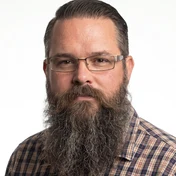
Clinically reviewed by
David Jaskowiak, LPC-S, Clinical Director
Last reviewed August 2026
Check your insurance

Free & confidential • No obligation • Usually answered within minutes




Virtue’s clinical approach
One plan, built around the substance use and what sits under it.
Virtue treats substance use as the primary condition, and what sits underneath it at the same time.
One team, one plan
Anxiety, depression, trauma and PTSD are treated concurrently, not referred out or postponed until afterwards.
Trauma-informed throughout
Staff are trained to recognize when behavior is a trauma response, and to work with it rather than discipline it.
Built at assessment, revised as you go
Nobody gets the full list. You get the therapies your situation calls for, and they change when they need to.
A modality list is not a treatment plan
Every center publishes the same acronyms. What differs is whether they are matched to the person and delivered by clinicians trained in them.
Experiential therapies are site-specific. Equine runs at two of our facilities rather than all of them, so each one below is labelled with where it actually runs.
Supporting the recovery journey. Our team at Las Vegas on what it means to be treated by people who have been through it themselves.
Evidence-based therapies
The clinical backbone.
Each of these has evidence behind it for addiction, for co-occurring conditions, or for both. What follows is how they are used here, not what a textbook says they are.
CBT
Cognitive behavioral therapy
Works directly on the thoughts that reliably precede using. The foundation most other work here sits on.
DBT
Dialectical behavior therapy
Distress tolerance and emotional regulation, for when emotions arrive faster than the coping does.
EMDR
Eye movement desensitization and reprocessing
For the trauma underneath the substance use rather than the substance use itself.
See trauma-focused therapy →CPT
Cognitive processing therapy
Structured trauma therapy, strongly evidenced for PTSD. Central to our veteran programming.
ACT
Acceptance and commitment therapy
Acting on your values while the difficult thoughts are still present, rather than waiting them out.
REBT
Rational emotive behavior therapy
Challenges the beliefs that keep the cycle running. One of the approaches Virtue is best known for.
What REBT is →MI
Motivational interviewing
Works with the reasons to change you already have, rather than arguing you into new ones.
Relapse prevention
Naming your triggers and rehearsing what you do when one arrives anyway. Runs through every level of care.
See relapse prevention →Trauma and veterans
For a lot of people, the addiction is the second problem.
Substance use very often begins as something that worked. A way to sleep, to stop a memory arriving, to get through an evening. Treating it without treating what it was doing is why so many people relapse after an otherwise successful stay.
EMDR and CPT are the two approaches we lean on hardest here, and they are central to Warriors Path, our veteran programming, which is rolling out across all of our locations from its Killeen flagship.

Experiential and holistic
The work that does not happen in a chair.
These are not add-ons to fill a schedule. They reach people who have learned to talk their way through therapy without ever arriving at anything. Each is labelled with where it actually runs.
Equine therapy
Weekly, off site. A horse responds to what you are actually feeling rather than what you are saying, which is unnerving for about ten minutes and then extremely useful.
Sound healing
Guided sessions using sound and vibration for nervous-system regulation, most valuable in early recovery, when sleep and stillness are the hardest things to reach.
Art therapy
For what has not found words yet. Particularly useful with trauma, where the memory is often held somewhere language does not reach cleanly.
Music therapy
Listening, playing, writing. Reaches emotional material faster than conversation for a lot of people, and is one of the few things that works in a group without anyone having to perform.
Mindfulness and meditation
Practical rather than spiritual. Noticing a craving arrive without acting on it, which is a skill and not a personality trait.
Nutrition and eating disorder care
Eating disorders and substance use travel together more often than most people expect. Our Las Vegas facilities run dedicated eating disorder care at every level, with registered dietitian support.


How therapy is delivered
Three formats, doing three different jobs.
Most people get all three. They are not interchangeable, and the one most people dread turns out to be the one they rate highest afterwards.
Individual therapy
One-to-one with your therapist, on the material that is specifically yours. Where the trauma work happens, and where the treatment plan is actually built.
Group and process therapy
Other people at various stages of the same thing. Harder to perform for a room than for one clinician, which is precisely why it works.
Family therapy
Addiction is rarely contained to one person, and neither is recovery. Sessions include the people you will go home to, because they are part of whether this holds.
Common questions
Questions people ask about therapy
Anything not answered here, ask on the call. There is no obligation.
(866) 461-3339- What therapies does Virtue use for addiction treatment?
- Virtue uses a combination of evidence-based and experiential approaches. On the clinical side that means cognitive behavioral therapy (CBT), dialectical behavior therapy (DBT), EMDR, cognitive processing therapy (CPT), acceptance and commitment therapy (ACT), rational emotive behavior therapy (REBT), motivational interviewing and relapse prevention. Alongside those, our facilities offer experiential work including art, music, mindfulness, and equine therapy at Killeen and Astoria. Which of these you receive is determined by your assessment rather than applied uniformly.
- How do you treat addiction and mental health at the same time?
- We treat substance use as the primary condition, with co-occurring mental health conditions such as anxiety, depression, PTSD and trauma treated concurrently in the same plan by the same team. This matters because treating one and referring out the other is a common reason recovery does not hold, because the condition the substance use was managing is still there when treatment ends.
- Which therapy is best for addiction?
- There is no single best therapy, which is why a treatment plan is built individually rather than chosen from a menu. CBT is the most widely used foundation, EMDR and CPT are the strongest options where trauma is driving the substance use, DBT suits people struggling with emotional regulation, and motivational interviewing helps where someone is genuinely ambivalent about stopping. Your assessment determines the combination, and it is revised as treatment progresses.
- Do you offer equine therapy?
- Yes, at our Killeen and Astoria facilities, where it runs weekly and off site. It is not offered at every Virtue location, so if equine therapy is important to you, it is worth confirming when you call which facility you would be admitted to.
- Is EMDR available for veterans?
- Yes. EMDR and cognitive processing therapy are central to how we treat combat-related trauma, and both are part of Warriors Path, our veteran programming, which began at our Killeen facility and is rolling out across all of our locations. Several members of our clinical staff are veterans themselves.
- What is experiential therapy, and does it actually work?
- Experiential therapy is clinical work that happens through doing rather than talking. Art, music, equine work, movement. It is most valuable for people who can talk fluently about their addiction without ever getting near what is underneath it, which is more common than it sounds. It complements the evidence-based therapies rather than replacing them, and at Virtue it is always delivered alongside them.
You are allowed to ask
If you are calling for someone else
Most people who call us are calling about someone they love. You can ask about the options and check their insurance on their behalf, and it stays a conversation until you decide otherwise.
Related reading
Trauma treatment
How EMDR and CPT are used where trauma is driving the substance use.
Read the guide →Dual diagnosis and mental health
Anxiety, depression, PTSD and bipolar treated alongside substance use.
Read the guide →Veterans program
Warriors Path, trauma-focused treatment for service members and veterans.
Read the guide →Medical detox
Where treatment starts for most people, and what withdrawal management involves.
Read the guide →Insurance
We accept most major insurance plans.








And most PPO plans. Coverage varies by plan and by facility, so if your carrier is not shown, ask rather than assume.
- Free, and there is no obligation at the end of it
- Usually answered within minutes during the day
- You can check on behalf of someone else
- Admissions answers the phone 24 hours a day
- No insurance? Ask about private pay options. Nobody is turned away without knowing their next step.
Check my insurance coverage
100% confidential · No commitment required
Still have questions? Call us.
Ask which therapies you would actually be doing, and who would be delivering them. Ask whether equine runs where you would be admitted. A real person answers at any hour, and none of it commits you to anything.
Confidential. No obligation. Someone answers, 24 hours a day.
