
Residential (Inpatient) Treatment
- Private rooms and your own bath at Las Vegas
- Warriors Path at Killeen, a track for those who served
- Psychiatrist seen within 24 hours of admission at Houston
- Call and ask how soon we could arrange your admission

Clinically reviewed by
David Jaskowiak, LPC-S, Clinical Director
Last reviewed August 2026
Check your insurance

Free & confidential • No obligation • Usually answered within minutes




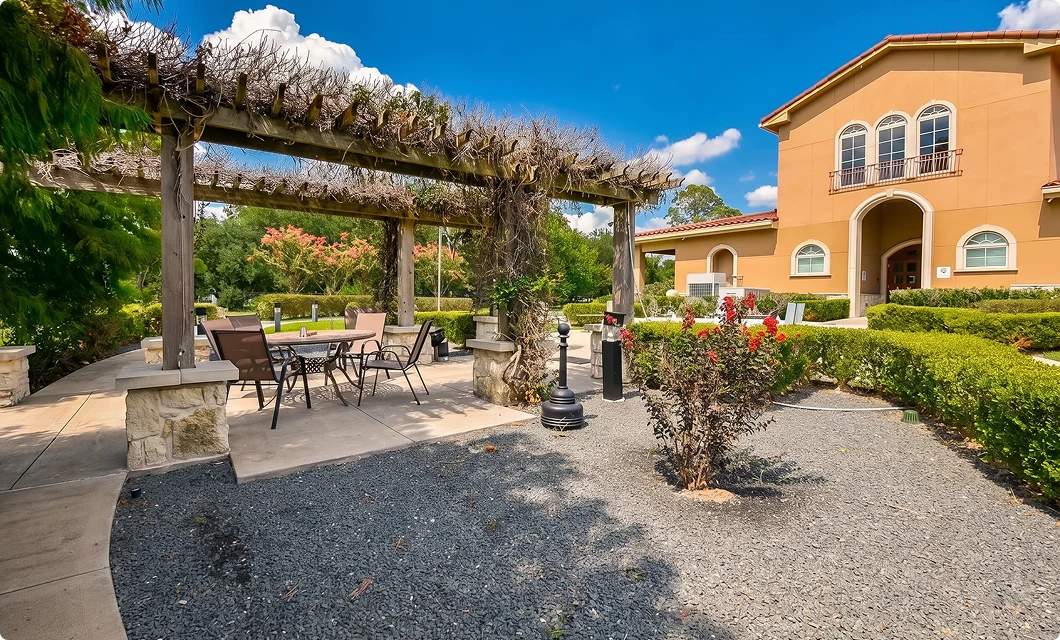
What is residential treatment?
A live-in program built for people who need to step away completely.
Residential treatment, also called inpatient rehab or RTC, is 24/7 monitored care where you live at the facility for the duration of your program. It is for adults with substance use disorder, often alongside a co-occurring mental health condition that needs treatment at the same time.
Most clients arrive directly from medical detox; some admit directly with medical approval. Either way, residential is where the therapy, education, and skill-building that make long term recovery possible actually happen, not just stabilization.
Is residential right for me?
- ✓ Addiction that has been going on a while, or has picked up lately
- ✓ A home or work life that makes staying well harder than it needs to be
- ✓ A mental health condition worth treating at the same time, not afterwards
- ✓ The step straight after detox, when structure gives you the strongest start
Outpatient is a good fit for plenty of people too, and it is the usual next step after residential. Tell our team what has been happening and they will arrange the assessment that settles it.

What to expect day-to-day
A comfortable place, with structure built into the day.
- ✓ Comfortable living, with private rooms where they are available
- ✓ Chef prepared meals every day
- ✓ A community of peers going through the same thing
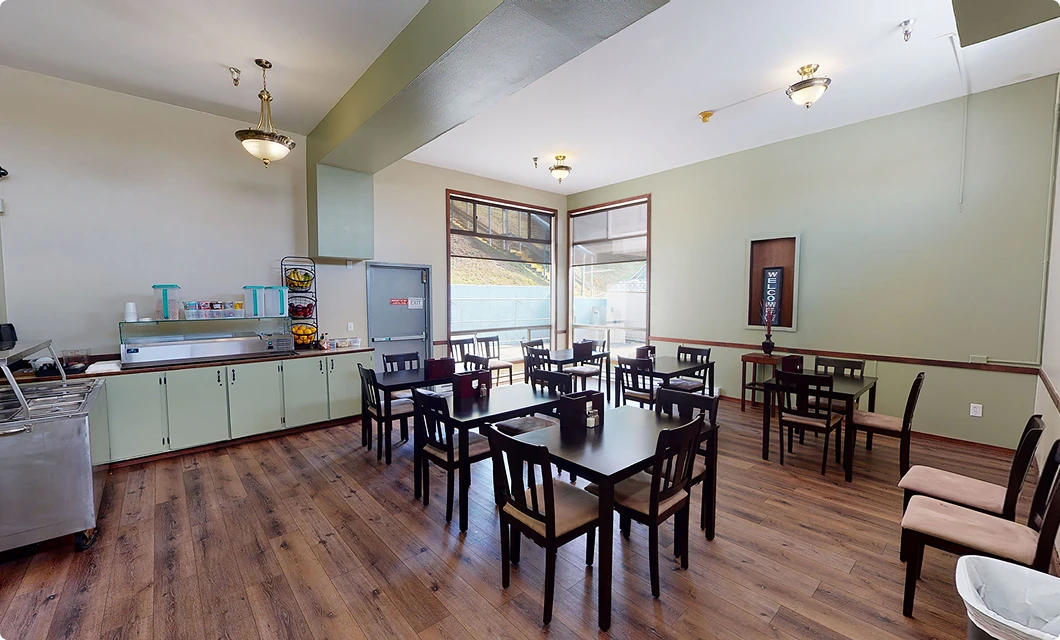
What a day looks like
Daily schedule varies by facility and clinical need. This represents a typical residential day.
The #1 question we get
“Can I keep my phone?” Here is the honest answer.
Yes, after a short adjustment period at the start, typically the first 48 hours. A landline is available during that window for anything urgent, and phone access generally comes back around day four.
It is not about cutting you off. Your loved ones stay in contact throughout your stay, and family visiting and therapy are part of many treatment plans. Our team can explain the policy at whichever location you choose.
How long will I stay?
Individualized, based on your needs rather than a fixed calendar.
Discharge planning begins on admission day. Virtue does not discharge clients before clinical readiness. If more time is needed, your case manager works with your insurance to authorize it.
Work, kids and everything else
How do I step away from my job and life for this?
People plan around this every day. Job protections like FMLA may apply to treatment for a serious health condition, and our admissions team regularly helps people arrange work, children, pets, and court or legal obligations before they arrive. You do not have to sort it out alone.
See the full guide on job protection and life logistics →
How we actually treat addiction
Evidence-based therapies, built around the individual.
Cognitive Behavioral
Therapy (CBT)
Identifies the thoughts and patterns that lead to use, and builds practical skills to interrupt them. Standard in every residential program.
Dialectical Behavior
Therapy (DBT)
Emotional regulation and distress tolerance for clients with co-occurring mood disorders or a history of trauma.
EMDR and
CPT
Trauma processing therapies for clients whose addiction is rooted in unprocessed experiences. Available at Astoria and Houston.
Experiential
Therapy
Equine assisted therapy, dog therapy, art, music, yoga and sound healing. Available at Killeen and Astoria.
Beyond the therapy room
The parts people talk about afterwards.
Daily groups and individual counseling are the spine of the week. These sit alongside them, and they are usually what people remember.

Killeen and Astoria
Equine assisted therapy
Guided work with a horse in a small group. No riding involved.

Killeen
Dog therapy
On the weekly schedule, alongside yoga and sound healing.

Killeen
Music and art therapy
Expressive groups that run through the week as part of programming.
Veterans and service members have a dedicated track at Killeen, with a Battle Buddy peer welcome and clinicians trained in military and service related trauma.
See Warriors Path →Find a center
Residential treatment across Texas, Nevada, and Oregon.
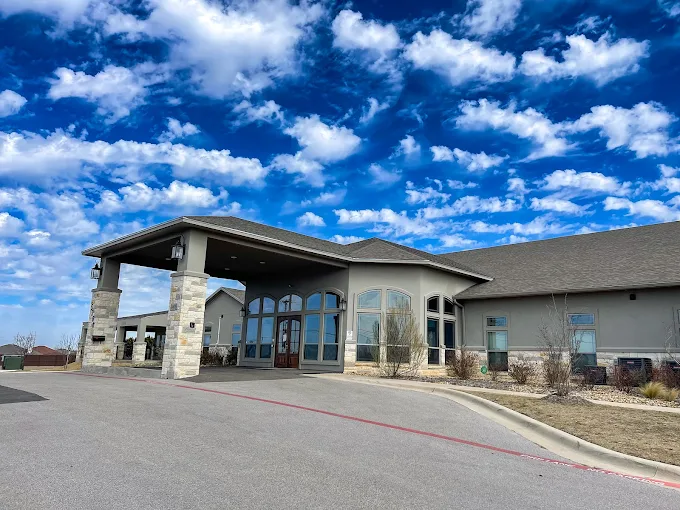
Warriors Path veteran track. Equine therapy, dog therapy, sound healing, and art and music therapy on site. Programming built for service members.
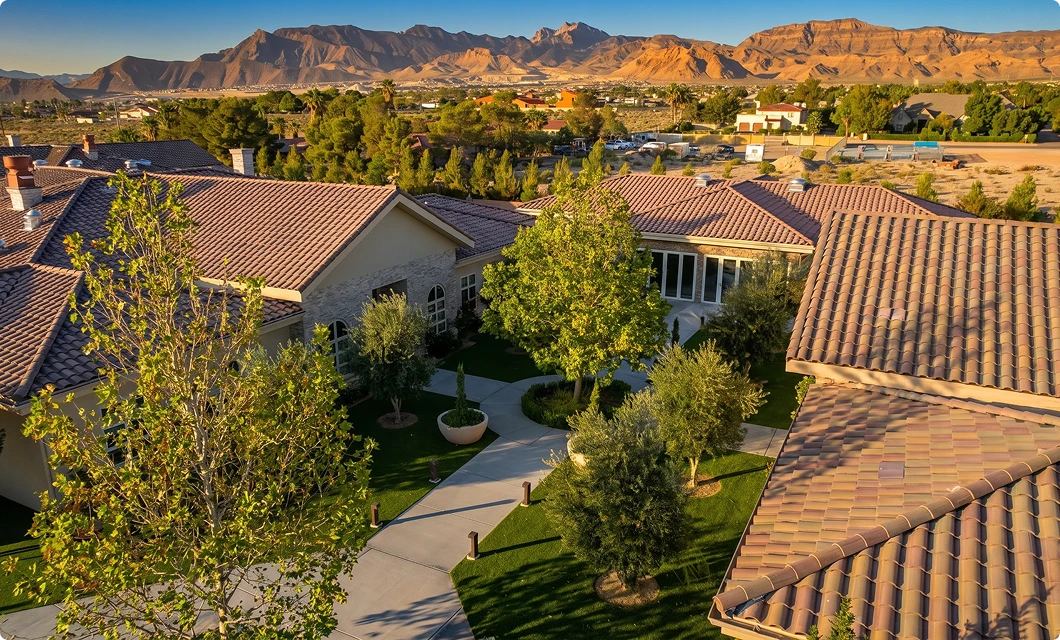
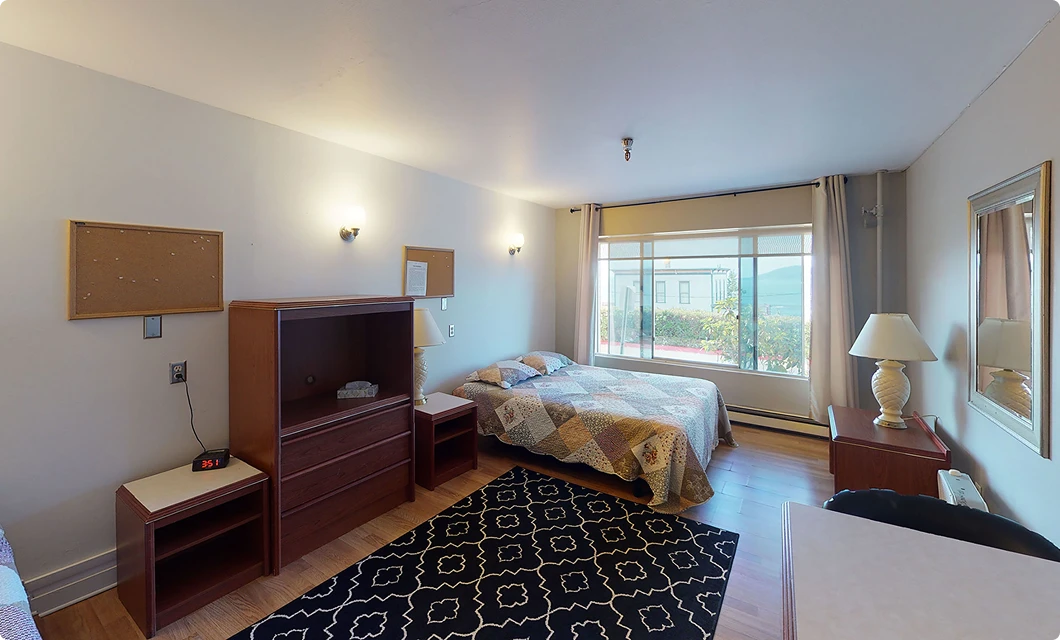
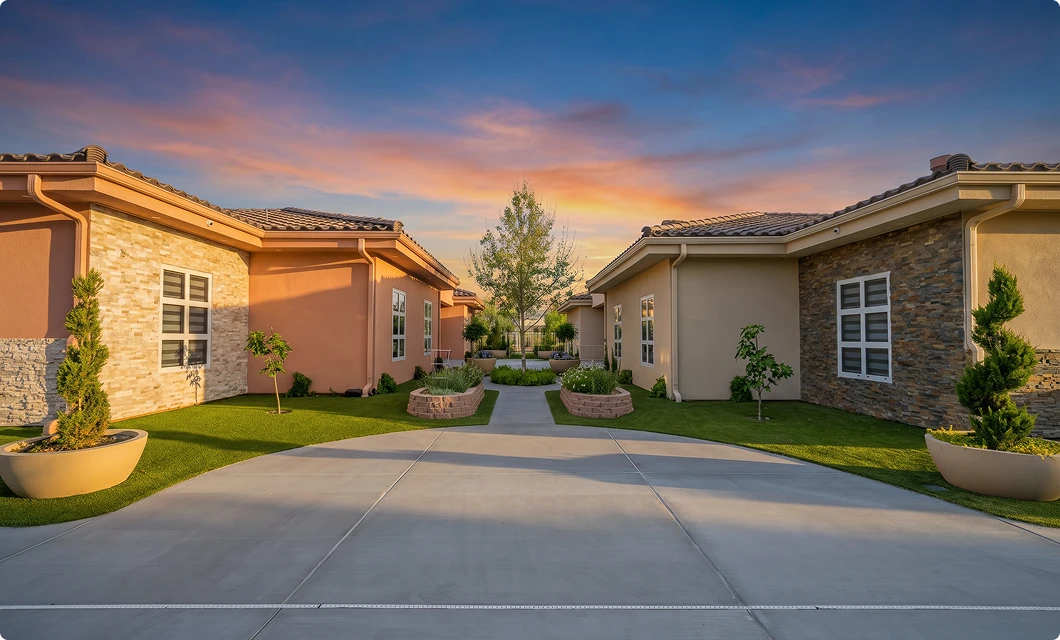
Private rooms throughout, each with a double bed, private bath and walk-in shower. The villas surround a great room with a fireplace and garden views. Chef prepared meals.
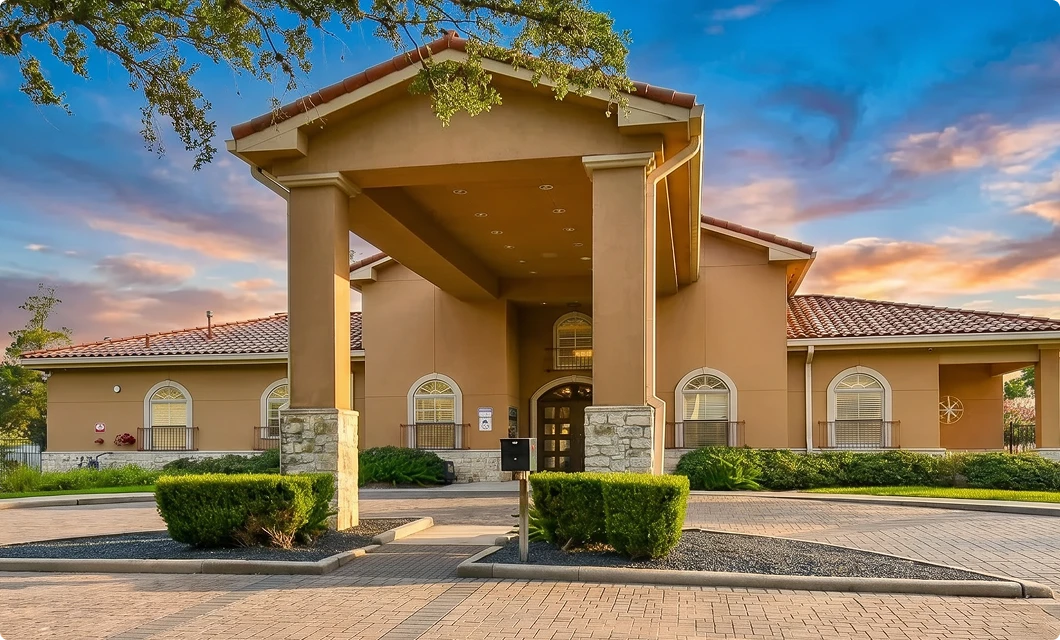
Psychiatric evaluation within 24 hours of admission, so dual diagnosis is treated from day one rather than as an afterthought. CPT therapy available for trauma and PTSD.
EMDR and CPT individual sessions with trained clinicians. Weekly off-site equine therapy. Overlooking the Columbia River.
Helping a loved one figure out the logistics? Our Families & Loved Ones page covers these same questions from a family’s perspective.
In their words
What clients say about residential at Virtue

I don't usually write reviews but this is one of those life changing experiences that I have to rave about! I searched for 7-8 months for mental health and addiction rehab. I found Virtue totally by chance and this place has been a blessing. Every client has a private room in a villa. The rooms could compete with the finest hotels honestly. All meals are prepared by chefs. The WHOLE staff is so completely engaged and caring. Getting the help I needed here was truly a blessing.
Las Vegas, NV · Google
I'm so thankful for Virtue. I met some of the most caring staff members here. I am especially thankful for Floyd my lead technician. Thank you for all your support, kindness and for always going above and beyond for me and anyone else. I stayed here for 21 days and this place is amazing. Dr. Lopez is by far one of the best doctors they have. The rooms here are beautiful. I felt like I was in a five star hotel.
Las Vegas, NV · Google
I cannot say enough on how Virtue has saved me from myself in my addiction to alcohol. My whole life has changed for the better. My counselor was Felix — he is such an amazing counselor. Kenya the chef and her crew make the best meals. I am proud to say that I am now 178 days sober. An accomplishment I could not have done on my own. Thank you Virtue!
Killeen, TX · Google
I spent 90 days at Houston Virtue Recovery Center. I chose to do CPT therapy with GiGi and I am truly happy and grateful for being able to get help with my PTSD trauma. She is a truly amazing and caring woman that gives her all for the clients. The staff was truly amazing and attentive to all needs. I truly recommend Virtue Recovery Center to all that are needing or looking for recovery.
Houston, TX · Google
This is the first time in 15 years that I've gone more than a month without getting high. The staff at Virtue are some of the best people I've met in years. They helped me make a big change in my life because I now desire a new life and Virtue gave me the confidence to pursue it. I almost didn't want to leave.
Houston, TX · Google
Great facility and staff! The nurses were awesome; the food was delicious; my counselor very cool; my case manager extremely helpful. My peers treated me like a friend and their Recovery program was solid. Highly recommend.
Astoria, OR · Google
Reviews are unedited and pulled from Google. They reflect individual experience and are not a guarantee of outcome.
Life after residential
Recovery continues. You will not do it alone.
Residential addresses the acute phase, but leaving treatment without a structured step-down plan is one of the most preventable causes of relapse. Your case manager begins discharge planning on admission day, not the week you leave.
Bars show weekly hours of structured care and supervision, to scale, and residential is round the clock. Continuing care after residential, including ongoing therapy, alumni support, and relapse-prevention planning, is one of the biggest factors in staying well long-term.
Common questions
Questions people actually ask before admitting
You can call and ask any of these directly. No obligation and no pressure. Someone answers 24 hours a day.
(866) 461-3339- Can I keep my phone during residential treatment?
- Yes, after a short adjustment period at the start, typically the first 48 hours. A landline is available during that window for anything urgent, and phone access generally comes back around day four. It is not about cutting you off from the people you love. It is about giving your first few days the best possible start.
- Will I have a roommate?
- It depends on the location. Our Las Vegas (Corbett) campus is private rooms throughout, each with its own bath, so you always have somewhere quiet to go. Killeen is double occupancy, which suits people who would rather not be on their own in early recovery. If privacy matters to you, say so on the call and our admissions team will point you to the right facility.
- Can my family visit or stay in contact?
- Yes. Family connection is an important part of recovery, and we support appropriate contact and visiting during your stay, within guidelines that protect everyone's recovery. At Killeen, for example, residential visitation is Sundays 1–4pm for visitors ages 13 and up, and there is no visitation during detox, which is a shorter, medically focused stage of care. Other locations have their own schedules. Family therapy is also available and encouraged as part of many treatment plans, and our team can explain the specific policy at your chosen location.
- What should I bring?
- We'll give you a clear packing list when you're admitted, but generally you'll want comfortable clothing, any prescribed medications in their original packaging, essential toiletries, and a few personal comfort items. There are usually some restrictions and belongings limits for safety reasons, which our admissions team will walk you through before you arrive. The main thing is to come as you are, and we'll help with the rest.
- How long will I be in residential treatment?
- Length of stay is individualized and progress-driven, rather than a fixed calendar. Longer stays can be arranged through private-pay financial planning at Las Vegas. Your case manager begins discharge planning on admission day, and works with your insurance throughout your stay if more time is clinically needed.
- Do I need to detox before residential treatment?
- If you still have substances in your system or are at risk of withdrawal, you'll typically complete medical detox first, then move directly into residential treatment. The two work together as a continuum. Detox keeps you safe and stable, and residential builds the skills and support for lasting recovery. At Virtue, you can move from detox into residential with the same team, so you don't have to start over somewhere new.
- Is residential treatment better than outpatient?
- Neither is "better". They serve different needs, and the right choice depends on your situation. Residential offers 24/7 support and full removal from triggers, which is ideal for severe or long-term addiction, unstable home environments, co-occurring conditions, or when previous outpatient attempts have not held. Outpatient works well for milder cases or as a step-down after residential. A clinical assessment is what settles which of them fits you, and admissions can arrange one.
- Does insurance cover residential rehab?
- Most major commercial plans do. The Mental Health Parity and Addiction Equity Act requires insurers that cover mental health to cover substance use treatment comparably. We accept most major commercial and PPO plans. Our admissions team verifies benefits before admission, often the same day.
- What happens after residential treatment?
- Discharge planning starts on day one. Residential is a powerful step but not the whole journey. Most people step down into Partial Hospitalization (PHP) or Intensive Outpatient (IOP) and follow an aftercare plan built around their needs. That might include ongoing therapy, alumni support, and relapse-prevention planning. Continuing care after residential is one of the biggest factors in staying well long-term, and we help you plan it before you leave.
- Will I lose my job or have to put my life on hold to go to residential?
- People plan around this every day. Job protections like FMLA may apply to treatment for a serious health condition, and our admissions team regularly helps people arrange work, children, pets, and court or legal obligations before they arrive. You can find the full details on our Admissions page, or just ask our team when you reach out.
You are allowed to ask
If you are calling for someone else
Most people who call us are calling about someone they love. You can ask about the options and check their insurance on their behalf, and it stays a conversation until you decide otherwise.
Related reading
Worried about your pet? Here is how we help you plan.
You should not have to choose between getting help and your pet. What we can and cannot do, and how admissions helps you plan care during your stay.
Read the guide →Parenting during recovery: getting treatment when you have children
Worried about your kids if you come home? How childcare, custody, and staying connected actually work during residential treatment.
Read the guide →Insurance
We accept most major insurance plans.








And most PPO plans. Coverage varies by plan and by facility, so if your carrier is not shown, ask rather than assume.
- Free, and there is no obligation at the end of it
- Usually answered within minutes during the day
- You can check on behalf of someone else
- Admissions answers the phone 24 hours a day
- No insurance? Ask about private pay options. Nobody is turned away without knowing their next step.
Check my insurance coverage
100% confidential · No commitment required
Call us. Your only job is getting here.
Insurance verification, transportation, intake paperwork, and finding the facility that fits. Our admissions team manages all of it.
Confidential. No obligation. Someone answers, 24 hours a day.