
Kratom Addiction Treatment
- Kratom withdrawal is real and frequently dismissed. We treat it as what it is
- Medically supervised detox with 24/7 nursing
- Comfort medication for the opioid-like symptoms
- Treatment for whatever the kratom was managing underneath

Medically reviewed by
Dr. Keith Garcia, MD, PhD, Medical Director
Last reviewed August 2026
Check your insurance

Free & confidential • No obligation • Usually answered within minutes





Is kratom actually addictive?
"Natural" and "legal" don't mean it isn't addictive.
Kratom is widely sold at smoke shops, gas stations, and online as a natural herbal supplement, so most people have no idea it's addictive until they try to stop and can't. The reality is that kratom acts directly on the brain's opioid receptors, and regular use can lead to real physical dependence, tolerance, and withdrawal, just like other opioid-like substances. That doesn't make it a moral failing or something to be embarrassed about, it means your body responded to kratom the way bodies respond to opioids, and getting help to stop is nothing to be ashamed of.
What about 7-OH kratom?
Concentrated 7-OH products are far more potent than traditional kratom leaf, and far more addictive.
"7-OH" refers to 7-hydroxymitragynine, a compound found naturally in small amounts in kratom leaf but concentrated to much higher levels in newer products sold as extracts, shots, and tablets. These concentrated forms are significantly more potent than traditional leaf kratom, and dependence can develop faster and feel harder to break. If you've been using 7-OH or a concentrated kratom product and can't stop, you're not imagining how strong the pull is, and medically supervised detox can help you come off it safely.

What withdrawal is like
Opioid-like withdrawal, treated like opioid detox.
Because kratom acts on the same receptors as opioids, withdrawal tends to look similar: muscle aches, nausea, sweating, anxiety, irritability, restlessness, and strong cravings. It's usually not life-threatening, but it can be uncomfortable enough that many people relapse just to make it stop. Medically supervised detox, with 24/7 monitoring and medication to ease symptoms, makes stopping far safer and more manageable than going it alone.
24/7 monitoring
Nursing and daily physician visits track your progress throughout the acute withdrawal period.
Comfort medications
Medication support eases aches, nausea, anxiety, and sleep disruption during detox.
About 7 to 10 days
Most people move through the acute phase in about a week, though heavy or 7-OH use can take longer to settle.
Kratom, pain & anxiety
Treating the reason you started, not just the kratom.
Many people we treat started kratom to manage chronic pain, anxiety, or to get off opioids on their own, a sympathetic path, not a reckless one. If those underlying reasons aren't addressed, stopping kratom alone rarely lasts. Alongside detox, our team helps you find healthier, sustainable ways to manage pain and anxiety as part of your recovery, so you're not left without support once the kratom is gone.
Levels of care
From detox to independence, one team the whole way.
Find a center
Kratom treatment across Texas, Arizona, Nevada, and Oregon.
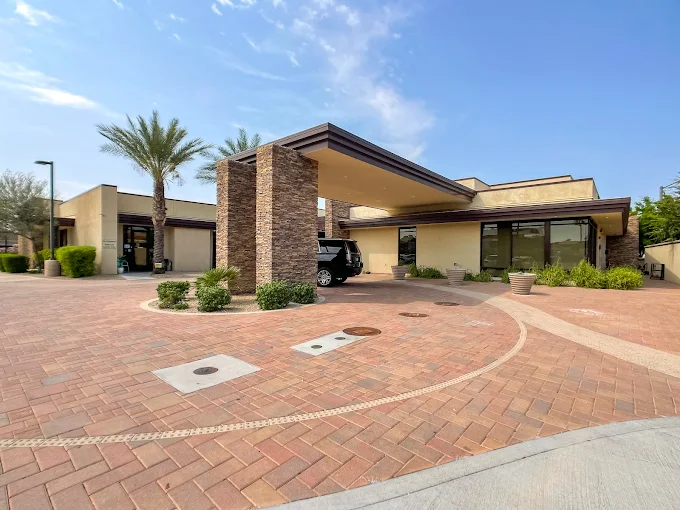 Arizona · Detox only Sun City West Dedicated detox facility. 24/7 RN coverage, daily physician visits, medication support for opioid-like withdrawal.
  Nevada · Detox + residential Las Vegas Detox villa, then step directly into a private residential villa. No roommates.
  Texas · Detox + residential Houston Detox through residential care, with psychiatric evaluation within 24 hours of admission.
 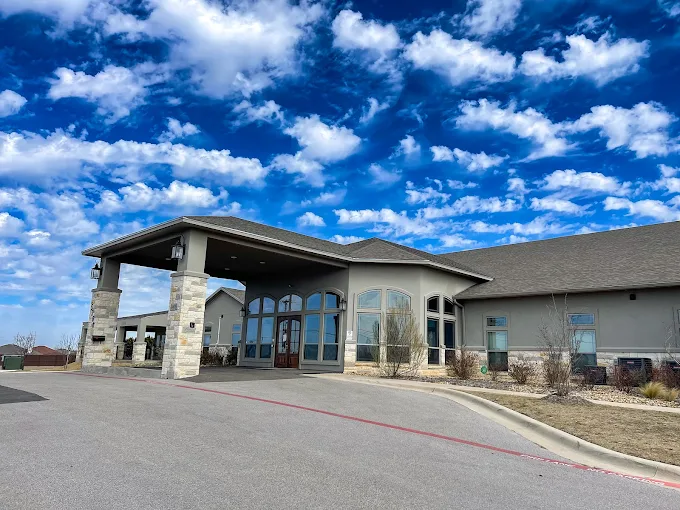 Texas · Detox + residential Killeen Medical detox and residential treatment on one campus, including Warriors Path for veterans.
 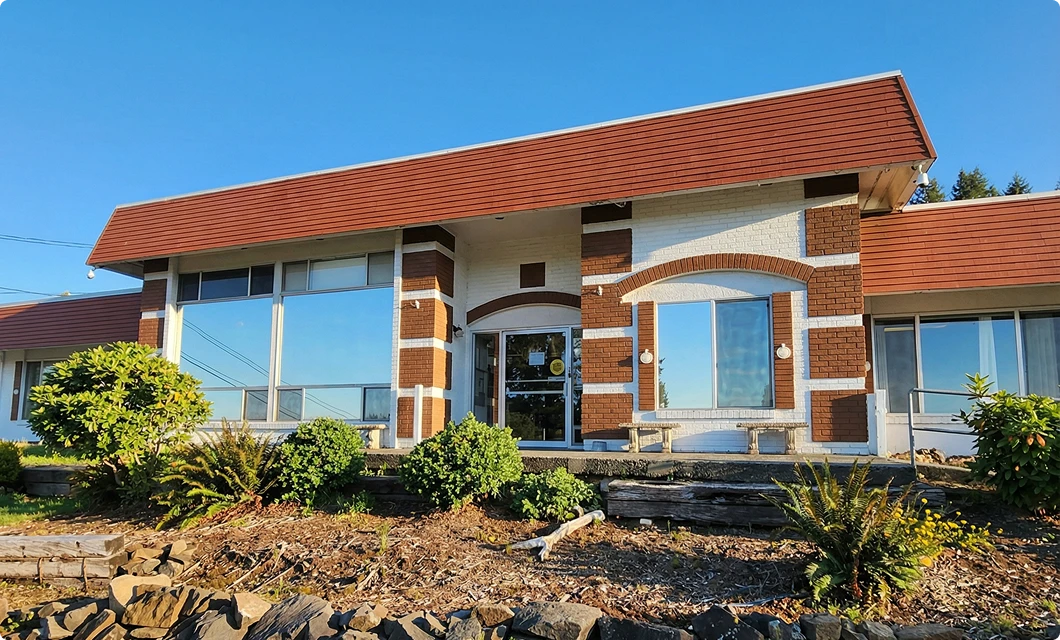 Oregon · Detox + residential Astoria Detox with step-in to residential. EMDR and CPT available for clients whose use is trauma-linked.
 Common questions
Questions people ask about kratom treatment
Anything not answered here, ask on the call. There is no obligation.
(866) 461-3339- Is kratom addictive?
- Yes. Despite being sold as a natural, legal herbal supplement, kratom acts on the same brain receptors as opioids and can cause real physical dependence, tolerance, and withdrawal. Many people are surprised to find they can't stop, precisely because they were told it was harmless. If that's you, you're not alone and there's no shame in needing help to quit.
- What is kratom withdrawal like?
- Kratom withdrawal is similar to opioid withdrawal and can include muscle aches, nausea, sweating, anxiety, irritability, restlessness, and strong cravings. It's usually not life-threatening, but it can be very uncomfortable, which is why medically supervised detox, with medication to ease symptoms, makes stopping much more manageable than going it alone. Most people get through the acute phase in about 7 to 10 days.
- What is 7-OH kratom, and is it more addictive?
- 7-OH (7-hydroxymitragynine) refers to newer, concentrated kratom products that are far more potent than traditional kratom leaf, and yes, they can be significantly more addictive, with dependence developing faster. If you've been using these concentrated products and are struggling to stop, you're not imagining how strong the pull is. Medically supervised detox can help you come off them safely.
- How long does kratom detox take?
- Kratom detox typically takes around 7 to 10 days for the acute withdrawal, though cravings and mood can take longer to settle, especially with heavy or concentrated (7-OH) use. Our medical team monitors you around the clock and uses medication to ease symptoms and keep you comfortable. After detox, continuing into treatment helps address the reasons behind the use and supports lasting recovery.
- I started kratom to manage pain or anxiety. Can you help with that too?
- Yes, and it's important that we do. Many people begin using kratom to cope with pain, anxiety, or to get off opioids, so lasting recovery means addressing those underlying issues, not just stopping the kratom. Our team provides integrated care that helps you find healthier ways to manage pain and mental health as part of your recovery.
- Do I need medical detox for kratom, or can I quit on my own?
- Some people try to quit on their own, but kratom withdrawal, especially from daily or concentrated use, can be uncomfortable enough that many relapse just to make it stop. Medically supervised detox provides medication and support to ease symptoms and gives you a much stronger start. It's the safest and most comfortable way to break the dependence.
- Does insurance cover kratom addiction treatment?
- Most commercial and PPO plans cover medically necessary detox and treatment. Coverage depends on your specific plan, so the simplest next step is a free, confidential insurance verification.
You are allowed to ask
If you are calling for someone else
Most people who call us are calling about someone they love. You can ask about the options and check their insurance on their behalf, and it stays a conversation until you decide otherwise.
Related reading
Opioid addiction treatment
Kratom acts on the same receptors, and the treatment overlaps.
Read the guide →Medical detox
What supervised withdrawal involves and who is in the building overnight.
Read the guide →Addiction treatment
Everything we treat, and what happens at each stage.
Read the guide →What kratom actually is
Where it comes from, how it acts, and why it is harder to stop than expected.
Read the guide →Insurance
We accept most major insurance plans.








And most PPO plans. Coverage varies by plan and by facility, so if your carrier is not shown, ask rather than assume.
- Free, and there is no obligation at the end of it
- Usually answered within minutes during the day
- You can check on behalf of someone else
- Admissions answers the phone 24 hours a day
- No insurance? Ask about private pay options. Nobody is turned away without knowing their next step.
Check my insurance coverage
100% confidential · No commitment required
Still have questions? Call us.
Being told kratom is not a real problem does not make the withdrawal less real. Call and admissions will verify your insurance and arrange a clinical assessment.
Confidential. No obligation. Someone answers, 24 hours a day.
