
Eating Disorder and Addiction Treatment, Together
When an eating disorder and substance use happen together, which is more common than not, treating just one rarely works. Our Las Vegas program treats both, in one place, with one team.
- Both treated in one plan by one team, rather than one referred out
- Dietitian and clinical team in the same conversation, not separate lanes
- Detox first where it is needed, then straight into the ED villa
- Residential at Corbett, PHP and IOP at Montessouri, in Las Vegas
Written by
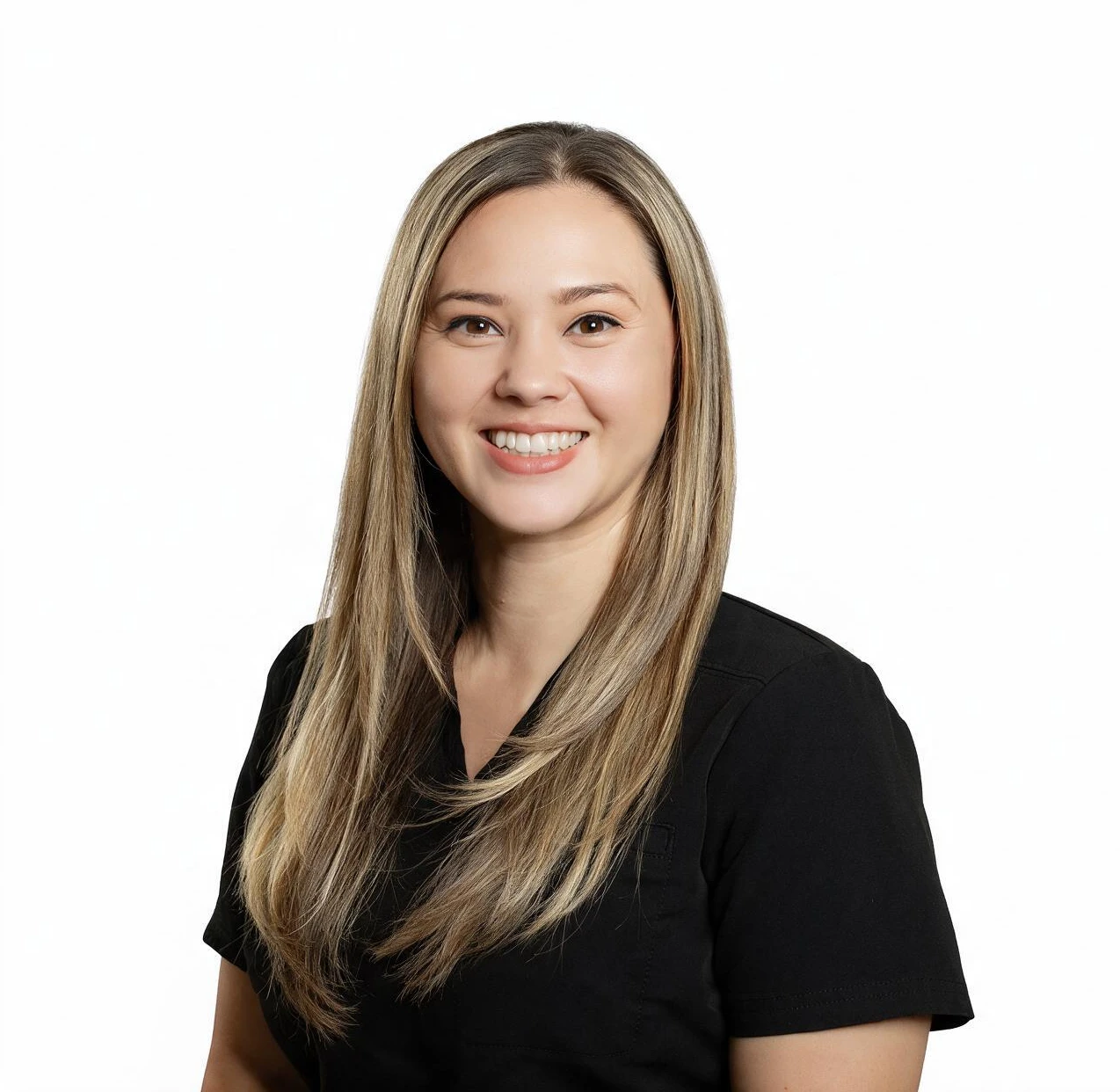
Laura De Fiesta, MS, RD, LD, Director of Nutrition and Culinary Services
Last reviewed August 2026
Check your insurance

Free & confidential • No obligation • Usually answered within minutes




More common than you'd think
The overlap is common — and it's treatable.
Most of the people who come to us for eating disorder treatment are also dealing with alcohol or drug use. If that's your situation, you're not unusual, and you haven't done anything wrong by needing help with both. Many people tell us they've been turned away before — an eating disorder program that wouldn't touch the addiction, or a rehab that wouldn't take the eating disorder.
Our Las Vegas program exists specifically to close that gap. You don't have to pick which condition to address first, and you don't have to be split between two providers who don't talk to each other.
Why it matters
Treating one condition while ignoring the other rarely holds.
Eating disorders and substance use often share the same underlying roots — trauma, emotional pain, or a need to cope with something underneath. When only one condition gets treated, the other one is often still there to fall back on. Our team treats the eating disorder, the substance use, and what's underneath both as one coordinated plan, not two separate tracks that happen to run at the same facility.

Levels of care
Residential or co-occurring outpatient — both treat the eating disorder and the substance use together.
If you need medical detox first, you'll start in the detox villa at Corbett, then transfer into the ED community with the same clinical team. From there, or if you don't need residential care, PHP and IOP at Montessouri treat the eating disorder and the substance use together as one co-occurring program — not two separate referrals.
Corbett
Eating disorder + substance use · typically 30–45 days
- Dedicated ED villa, private rooms and ensuite baths
- On-site chef and therapeutic garden
- Dietitian assessment before your first meal
- 24/7 on-site RN/LPN coverage
- Detox villa transfers directly into the ED villa if needed
Montessouri
Co-occurring eating disorder + substance use
- 6 hours a day, 5 days a week
- Dietitian within 24 hours of admission
- Weekly nursing assessment and weekly psychiatry
- Nutrition group, meal support, EMDR available
Montessouri
Co-occurring eating disorder + substance use
- 3–5 days a week, 3 hours a day
- Weekly dietitian and individual therapist
- Dedicated case manager throughout
- Alumni support at discharge
What treatment looks like
One team, one plan, at every level of care.
CBT-ED / CBT-BM
Enhanced CBT adapted for eating disorder patterns, alongside evidence-based approaches for substance use — treated as one clinical plan.
DBT
Emotional regulation and distress-tolerance skills that address what both the eating disorder and the substance use are often coping with.
EMDR
Trauma processing available in individual sessions — trauma is a common root underneath both conditions.
Substance Use Treatment
Full addiction treatment integrated into the same program — not sequenced, not a separate referral, not an afterthought.
Medically Monitored Detox
When withdrawal management is needed first, our detox villa transfers directly into the ED community with the same clinical team.
Nutrition Psychoeducation
Dietitian-led, all-foods-fit education on how the body and brain interact with food, separating fear-based beliefs from physiology.
Meal Support
Staff-supported meals at every level of care — structured and non-punitive, part of one integrated plan, not a separate track.
Family Therapy
Family therapy at Corbett residential; a weekly virtual family support group at Montessouri. Family contact is clinical, not incidental.
Written by
Laura De Fiesta, MS, RD, LD · Director of Nutrition and Culinary Services, Las Vegas
Clinically reviewed by Diana Kennedy, LCSW-S, LCADC-S · Lead Clinical Therapist
With contributions from Corey Honeycutt, M.S., CPC-I on eating disorders and substance use
Last reviewed: August 2026
Related conditions
Looking for something more specific?
Anorexia →
Restriction-pattern eating disorders, often alongside substance use, anxiety, or trauma.
Bulimia →
The binge-purge cycle, frequently alongside co-occurring substance use.
Binge Eating Disorder →
Recurring loss-of-control eating, treated without weight-loss framing or food rules.
Substance Use + Mental Health →
Looking for help with substance use and a condition like depression, anxiety, bipolar disorder, or PTSD instead? Visit our co-occurring disorders page — available at every Virtue location.
Getting the right care
We'll help you find the right level of care.
This program treats adults 18 and older. If you're a parent or caregiver worried about a teenager, we're not able to treat adolescent eating disorders here — but call us anyway. We'll talk through what you're seeing and help point you toward care that's appropriate for their age.
Our team assesses the right starting point for every person who calls — residential, co-occurring outpatient, or a referral if that's genuinely the better fit — and we're direct about it either way.
We're proud to serve veterans and active-duty service members, including through TRICARE, with extended lengths of stay when clinically appropriate.
Common questions
Questions about eating disorders and addiction
Anything not answered here, ask on the call. There is no obligation.
(866) 461-3339- Can you treat an eating disorder and addiction at the same time?
- Yes — this is one of the things that makes Virtue different. Most people who come to us with an eating disorder are also struggling with alcohol or drug use, so our Las Vegas program is built to treat both together as part of one integrated plan, rather than sending you to separate places for each. Treating the eating disorder and the substance use at the same time gives you a stronger, more lasting recovery than addressing only one.
- Why is it important to treat both conditions together?
- Eating disorders and substance use often share the same underlying roots — trauma, emotional pain, or the need to cope — and treating one while ignoring the other frequently leads to relapse. When both are addressed together by a coordinated team, you can build healthier ways to cope that support recovery from both conditions at once. That's why an integrated, co-occurring approach tends to work better than treating them separately.
- Do a lot of people have both an eating disorder and a substance use problem?
- Yes — it's far more common than many people realize. In our own experience, the large majority of people who reach out for eating disorder treatment are also dealing with substance use. If that's your situation, you're not unusual and you're not alone — and there is treatment designed specifically for it.
- What does treatment for co-occurring eating disorders and addiction look like?
- Treatment combines eating disorder care and substance use care in one program: medically supervised detox first if it's needed, then therapy (like CBT-E, DBT, and EMDR), nutrition support from a registered dietitian, medical monitoring, and treatment for any underlying trauma. Depending on your needs, this can happen in our residential program or, for some, in our co-occurring outpatient (PHP/IOP) program. Your plan is built around treating both conditions together.
- Where do you offer eating disorder and addiction treatment?
- Our specialized eating disorder and co-occurring addiction program is located in Las Vegas, Nevada. People travel to us from across the country for this care, and our admissions team can help with the logistics of getting here. For substance use with a mental health condition like depression or anxiety, we also offer co-occurring/dual diagnosis treatment at all of our locations.
- Does insurance cover treatment for co-occurring eating disorders and addiction?
- Most commercial and PPO plans cover medically necessary treatment for eating disorders and substance use. Coverage specifics depend on your plan, so the simplest next step is a free, confidential insurance verification.
- Do you treat teens with co-occurring eating disorders and addiction?
- Our program treats adults 18 and older. If you're seeking help for a teenager, we understand how urgent that is, and while we can't treat adolescents in this program, we'll gladly help you find appropriate adolescent care — just call us and our team will point you in the right direction.
Your insurance may cover treatment.
Most major insurance plans cover addiction and mental health treatment — often more than people expect. Finding out is free, confidential, and takes just a few minutes, with no obligation. You can even check on behalf of a loved one.
Most commercial and PPO plans cover medically necessary eating disorder treatment — we'll verify exactly what yours includes.
No insurance or worried about cost? We'll walk you through your options, including private pay — no one is turned away without knowing their next step.
Verify Your Insurance



Free verification · Confidential · No obligation · Most major plans accepted
Ready to talk?
Our Las Vegas admissions team will ask about the full picture — eating disorder history, substance use, co-occurring concerns, and insurance — and be direct about whether the program is the right fit. No pressure, no obligation.
Speak With an Admissions Specialist
100% Confidential • Available 24/7 • Most Insurance Accepted
