
Trauma-Focused Therapy
- EMDR and Cognitive Processing Therapy for the trauma underneath the substance use
- Both treated in the same plan, by the same team, at the same time
- Central to Warriors Path, our veteran programming, which began at Killeen
- Paced by your clinician. Nobody opens the trauma work on day one

Written by
Dr. Rajesh Harripersad, EdD, LPC-S, LCDC, EMDR Trained · U.S. Army, Retired
Last reviewed August 2026
Check your insurance

Free & confidential • No obligation • Usually answered within minutes






What we hear on the phone
Substance use that started as something that worked.
For a lot of people, the drinking was the second thing that happened.
Very few people set out to develop an addiction. What usually happens is that something works. It stops a memory arriving, it makes sleep possible, it gets you through an evening you could not otherwise get through. It works for a while, and then it becomes its own problem, and the original one is still there underneath.
This is why treating the substance use alone so often fails. Someone completes a stay, does the clinical work, leaves genuinely committed, and the thing the using was managing has not been touched. Six weeks later it is back, and so is the answer they already know works.
You do not need a diagnosis to be in this position, and you do not need to know what your trauma is called. If something happened and the drinking or the using came after it, that is enough to raise on a first call.
The substance use is addressed, the trauma is referred out or postponed until afterwards. The stay goes well. Then the thing underneath is still waiting, and the coping mechanism that used to handle it is the one you just gave up.
Both are worked on in the same plan, by the same team, at the same time. The trauma loses intensity while the coping is being rebuilt, so what you leave with is not just abstinence but a reason it can hold.
Nobody opens the trauma work on day one. Safety and stability come first, and the clinical team decides when you are ready. You will not be pushed to say more than you want to.
EMDR
Eye movement desensitization and reprocessing
A traumatic memory can stay stored as though it is still happening. Years later it arrives with its original force, the same heart rate and the same urgency, because the brain never filed it as over.
EMDR helps that memory get reprocessed, so it can be recalled without the intensity coming with it. The memory does not go away. What changes is what it costs you to have it.
It is one of the most researched approaches available for trauma and PTSD, and here it is used on the trauma that sits underneath the substance use rather than as a standalone treatment alongside it.


CPT
Cognitive processing therapy
Trauma leaves beliefs behind. That it was your fault. That you should have done something differently. That people cannot be trusted, or that nowhere is safe. These are rarely stated out loud, and they run underneath a great deal of behavior that looks like something else.
CPT works on those beliefs directly, examining them, testing them against what actually happened, and arriving somewhere more accurate. It is structured, it is one of the most strongly evidenced treatments for PTSD, and it is deliberately not open-ended.
Those beliefs also feed the using directly. Someone convinced they are beyond help tends to behave accordingly, and that is a loop CPT is unusually good at interrupting.
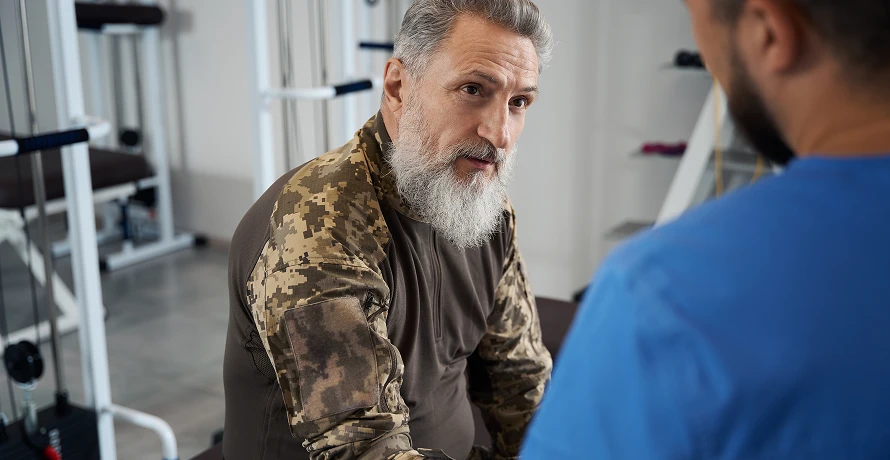
Warriors Path · veterans and service members
CPT is a core part of our veteran program.
Warriors Path began at our Killeen facility, next door to Fort Hood, and Cognitive Processing Therapy is central to how it treats combat-related and service-related trauma. The approach is more personalized and more intensive than a standard track, because the material usually warrants it.
Service trauma has a specific shape. It often involves things that were not accidents, decisions made under conditions nobody at home can picture, and a culture where saying any of it out loud has a cost. CPT works on exactly the beliefs that come out of that: responsibility, what you should have done, what it says about you.
Several members of the team are veterans themselves, which changes the first conversation more than most people expect.
Why this matters in addiction treatment
Abstinence is not the same as recovery.
Stopping is achievable in a supervised setting. Almost everyone manages it. The question a treatment program has to answer is what happens the first bad week afterwards, when the memory arrives at three in the morning and the thing that used to handle it is gone.
Treating trauma during the stay is the part that answers that. Not because it removes what happened, but because it lowers what the memory costs and gives you something to do with it other than drink.
Trauma-focused work is available at select locations across our network, always as part of an integrated plan alongside detox, clinical therapy, psychiatric care and case management. Ask on the call which facility fits what you need.
If you are looking for how PTSD itself is treated as a co-occurring condition, that is covered separately on our PTSD and trauma page.
- One treatment plan, covering the substance use and the trauma together
- One clinical team, rather than a referral out for the trauma
- Psychiatric assessment where PTSD or another condition is in the picture
- Trauma work paced by your clinician, starting when you are stable
- Aftercare planning that accounts for both
Common questions
Questions people ask about trauma therapy
You do not have to know the clinical terms to ask about any of this on a call.
(866) 461-3339- How is trauma treated alongside addiction?
- Trauma and substance use are often deeply connected, and treating one without the other frequently is not enough for lasting recovery. We use evidence-based approaches like EMDR and Cognitive Processing Therapy (CPT) to address trauma directly, as part of an integrated treatment plan.
- What is EMDR and how does it help with trauma?
- EMDR (Eye Movement Desensitization and Reprocessing) helps the brain reprocess traumatic memories so they lose their emotional intensity over time. It is a well-researched approach used specifically for trauma and PTSD, including trauma connected to substance use.
- What is CPT (Cognitive Processing Therapy)?
- CPT helps identify and shift the unhelpful beliefs that trauma can create about yourself, others and the world, which often play a role in substance use. It is especially effective for PTSD and is a core part of our veteran-focused programming.
- Do you have trauma-focused care specifically for veterans?
- Yes. Our Warriors Path program includes Cognitive Processing Therapy specifically designed for veterans, with a more personalized, intensive approach to addressing combat-related and service-related trauma.
- I have PTSD and I am also struggling with substance use. Where do I start?
- Start with a confidential conversation with our admissions team. We can talk through how trauma-focused therapy fits into an integrated treatment plan for your specific situation. You do not need to have it all figured out before you call.
- Is trauma therapy covered by insurance?
- Trauma-focused therapies like EMDR and CPT are typically included as part of your overall treatment plan, and most major insurance plans cover them when clinically appropriate. Our team can verify your specific benefits quickly and at no cost.
- Will I have to talk about my trauma in detail right away?
- Trauma-focused therapy is paced carefully by your clinical team. Safety and stability come first, the deeper work opens only when your clinician says you are ready, and you will not be pushed to share more than you want to.
You are allowed to ask
If you are calling for someone else
Most people who call us are calling about someone they love. You can ask about the options and check their insurance on their behalf, and it stays a conversation until you decide otherwise.
Related reading
PTSD and trauma with addiction
The condition rather than the therapy: what co-occurring PTSD looks like and how it is diagnosed.
Read the guide →Warriors Path for veterans
Trauma-focused treatment for service members, with staff who served themselves.
Read the guide →Individual and group therapy
CBT, DBT and motivational interviewing, and what a week of sessions actually involves.
Read the guide →Dual diagnosis
Anxiety, depression and bipolar treated in the same plan as the substance use.
Read the guide →Insurance
We accept most major insurance plans.








And most PPO plans. Coverage varies by plan and by facility, so if your carrier is not shown, ask rather than assume.
- Free, and there is no obligation at the end of it
- Usually answered within minutes during the day
- You can check on behalf of someone else
- Admissions answers the phone 24 hours a day
- No insurance? Ask about private pay options. Nobody is turned away without knowing their next step.
Check my insurance coverage
100% confidential · No commitment required
Still have questions? Call us.
You do not need the right words for it. Saying that something happened and the using came after is enough for a first call, and the trauma work itself starts when your clinician says you are ready.
Confidential. No obligation. Someone answers, 24 hours a day.
