
Meth Addiction Treatment
- 24/7 nursing through the crash, with comfort support for sleep and mood
- The psychological side is the hard part, and it is what treatment is built around
- Paranoia, depression and anxiety treated in the same plan
- Detox through outpatient across Arizona, Texas, Nevada and Oregon

Medically reviewed by
Dr. Keith Garcia, MD, PhD, Medical Director
Last reviewed August 2026
Check your insurance

Free & confidential • No obligation • Usually answered within minutes




What withdrawal is actually like
The crash, described honestly.
Meth withdrawal is rarely physically dangerous in the way alcohol withdrawal can be. What makes it hard is psychological, and almost nobody explains that part before you are in it. Here is what most people describe.
Exhaustion
A depth of tiredness that sleep does not immediately fix. The body is repaying weeks of debt at once.
Long, heavy sleep
Sleeping for very long stretches early on, then broken sleep as things level out. Both are normal.
Low mood and flatness
Depression, and a period where nothing feels good or interesting. This lifts, but slowly, and it is the hardest part to sit through alone.
Strong cravings
Intense and often sudden, especially in the first weeks. This is the reason distance from triggers matters so much early on.
Increased appetite
Hunger returning hard once the stimulant is gone. Eating and sleeping properly is part of the treatment, not a side note.
Anxiety, irritability, paranoia
Common in the early days, and for some people more than that. It is monitored and treated here rather than left to pass on its own.
The acute crash usually runs a week to ten days. Mood, sleep and cravings keep improving over the weeks and months after that, as the brain recovers. Medical monitoring and mental health care through that window make it safer and considerably more bearable.
Call (866) 461-3339Why residential matters here
With meth, the danger is not the withdrawal. It is the relapse.
Cravings arrive hard and early, at exactly the point when mood is at its lowest and willpower is a thin resource. Most people who try to do this at home are not defeated by the symptoms, they are defeated by proximity to whatever they were using and whoever they were using with.
Residential treatment buys distance from that, 24-hour support through the worst of it, and enough time for the brain to start recovering before you are tested. That is why we lead with it for meth, more than for anything else we treat.

Rarely just meth
Meth is rarely the only thing in the picture.
Alcohol alongside it, most often. Fentanyl, which makes the picture considerably more dangerous. Depression, anxiety or trauma that was there before the using started, or arrived with it. Meth-induced paranoia, and for some people psychosis.
All of it is treated together. Being honest on the phone about everything you are using changes the plan and makes detox safer, it does not disqualify you from anything.
Levels of care
What treatment actually looks like.
One continuous plan rather than a series of separate admissions. Where you start depends on the assessment, and you step down as you stabilize rather than on a fixed schedule.
The therapies used
CBT and DBT for the thinking and the emotional regulation, EMDR and trauma-informed care where trauma is underneath it, motivational interviewing, behavioral support for cravings, and structured relapse prevention.
Relapse is common, and not disqualifying
A great many people arriving here have been through treatment or sober living before. That history is useful information for building a better plan, it is not a mark against you, and it is not a reason to wait until things get worse.
Find a center
Meth addiction treatment across Arizona, Nevada, Texas, and Oregon.
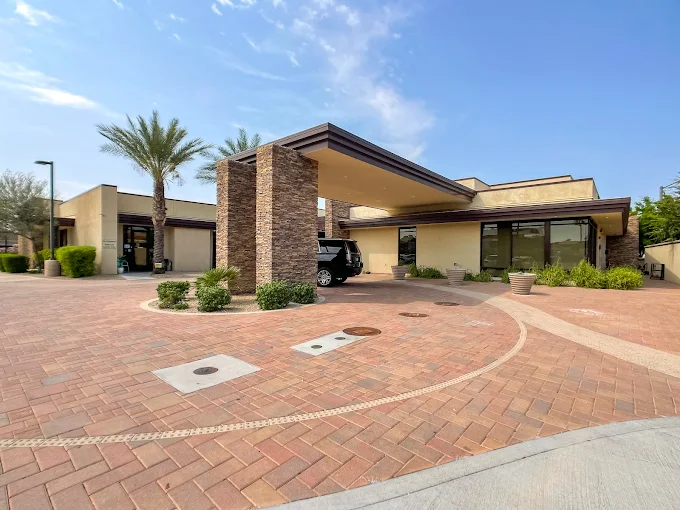 Arizona · Detox only Sun City West Dedicated detox facility. 24/7 RN coverage and daily physician visits while the crash passes.
  Nevada · Detox + residential Las Vegas Detox villa, then step directly into a private residential villa. No roommates.
 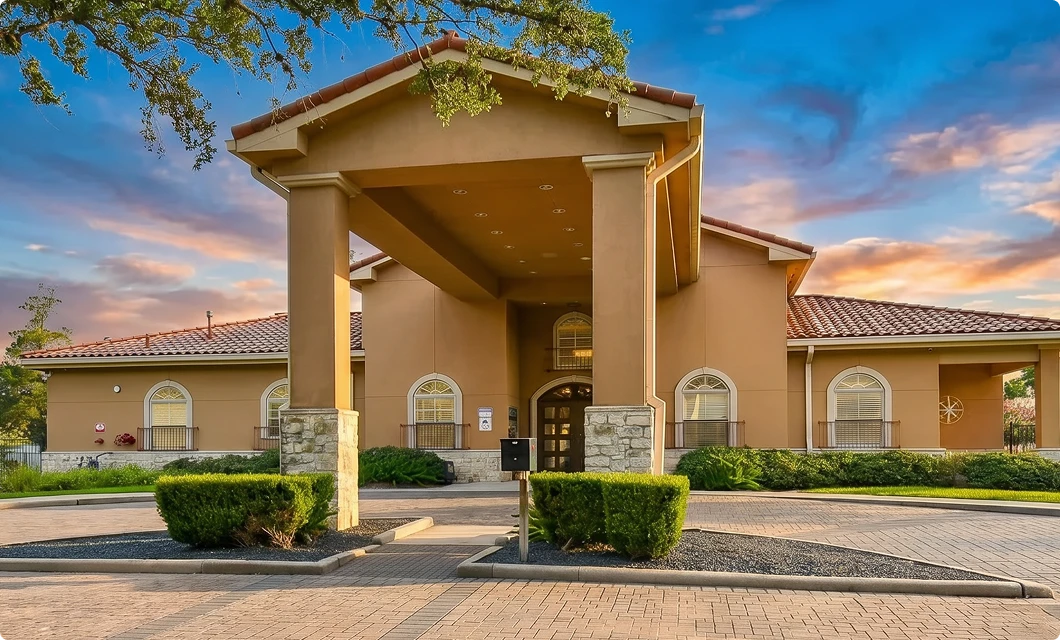 Texas · Detox + residential Houston Detox through residential care, with psychiatric evaluation within 24 hours of admission.
 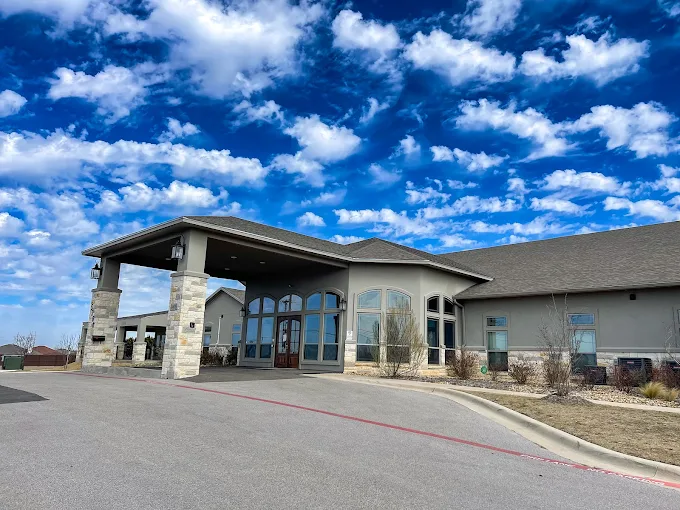 Texas · Detox + residential Killeen Medical detox and residential treatment on one campus, including Warriors Path for veterans.
 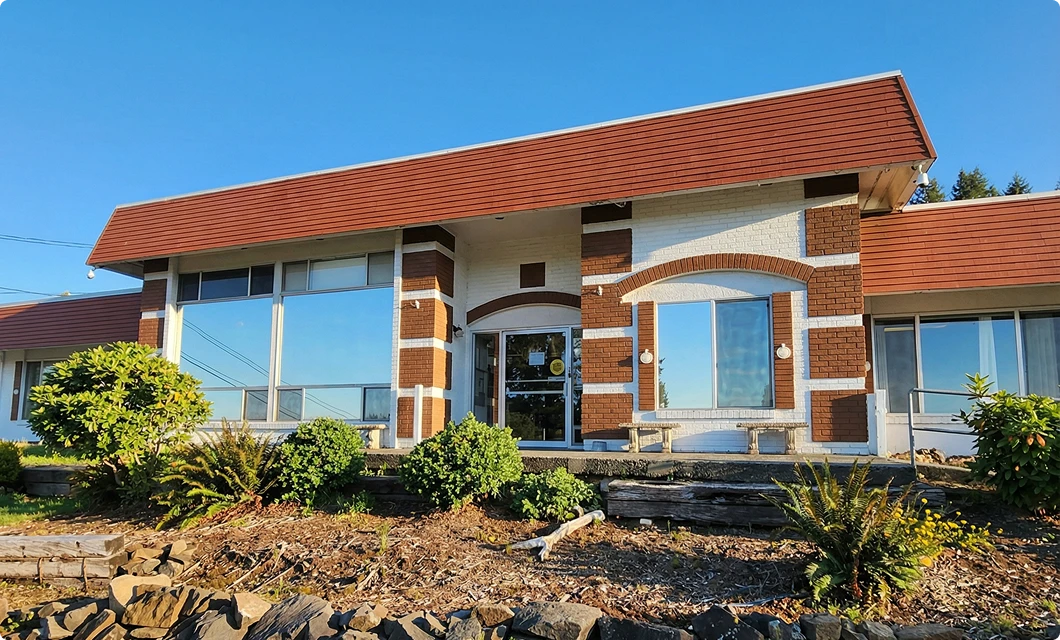 Oregon · Detox + residential Astoria Detox with step-in to residential care, on a hill above the Columbia River.
 Common questions
Questions people ask about meth treatment
Anything not answered here, ask on the phone. There is no obligation.
(866) 461-3339- What is meth withdrawal like?
- Meth withdrawal is mostly psychological rather than physically dangerous, and it is often described as a "crash". Intense fatigue, long periods of sleep, low mood or depression, increased appetite, and strong cravings. Some people also experience anxiety, irritability, or paranoia in the early days. While it is rarely life-threatening, it can feel overwhelming, and having medical and emotional support makes it far safer and more manageable than going through it alone.
- How long does it take to recover from meth?
- The acute crash usually lasts about a week to ten days, but the deeper recovery, when mood, sleep, and cravings gradually improve as the brain heals, can take several weeks to months. That is one reason residential treatment is so helpful for meth: it gives you the time, structure, and support to get through the hardest early stretch and build real momentum. Everyone’s timeline is different, and our team supports you through each stage.
- Do I need residential (inpatient) treatment for meth, or is outpatient enough?
- For many people, residential treatment is the strongest option for meth addiction because cravings and relapse risk are intense, and being away from triggers with 24/7 support makes a real difference early on. That said, outpatient care can work well, especially as a step-down or for those with strong support at home. Our team will talk through your situation and recommend the level of care that gives you the best chance at lasting recovery.
- Is there medication for meth withdrawal?
- There is no single FDA-approved medication for meth withdrawal the way there is for opioids or alcohol, but our medical team can provide medications and support to ease specific symptoms, like sleep problems, depression, anxiety, or agitation, and keep you comfortable and safe. Just as importantly, therapy and behavioral support address the cravings and the patterns behind the addiction. Treatment is about the whole picture, not just the withdrawal.
- Can meth cause paranoia or psychosis, and can you help with that?
- Yes. Heavy or long-term meth use can cause paranoia, and in some cases psychosis, and our clinical team is experienced in supporting people through it safely. In treatment, we provide medical and psychiatric care to stabilize these symptoms and address any underlying mental health conditions alongside the addiction. You will be in a safe, monitored environment with people who understand what you are going through.
- Can you treat meth addiction along with other drugs or alcohol?
- Yes. Many people who use meth are also using alcohol or other drugs, and treating everything together is essential for lasting recovery. Our program provides integrated care for polysubstance use and any co-occurring mental health conditions, so you are treated as a whole person rather than for one substance at a time.
- Can I start treatment today?
- When someone is ready for help with meth, timing matters and the window can be short. Call and admissions will verify your insurance, arrange the clinical assessment and walk you through the next steps in the same conversation We can walk you through the next steps right away.
- Does insurance cover meth treatment?
- Most commercial and PPO plans cover medically necessary treatment for methamphetamine addiction. Coverage depends on your specific plan, so the simplest next step is a free, confidential insurance verification, we will check your benefits and explain your options with no obligation.
You are allowed to ask
If you are calling for someone else
Most people who call us are calling about someone they love. You can ask about the options and check their insurance on their behalf, and it stays a conversation until you decide otherwise.
Related reading
Cocaine treatment
The other stimulant we most often treat, and how the two differ.
Read the guide →Dual diagnosis
Paranoia, depression and anxiety treated alongside the substance use.
Read the guide →Medical detox
What supervised withdrawal involves and who is in the building overnight.
Read the guide →How long meth stays in your system
A common first question, answered properly.
Read the guide →Insurance
We accept most major insurance plans.








And most PPO plans. Coverage varies by plan and by facility, so if your carrier is not shown, ask rather than assume.
- Free, and there is no obligation at the end of it
- Usually answered within minutes during the day
- You can check on behalf of someone else
- Admissions answers the phone 24 hours a day
- No insurance? Ask about private pay options. Nobody is turned away without knowing their next step.
Check my insurance coverage
100% confidential · No commitment required
Still have questions? Call us.
Tell us what you have been using and for how long. Admissions will verify your insurance and arrange a clinical assessment, and a past treatment episode is useful information rather than a mark against you.
Confidential. No obligation. Someone answers, 24 hours a day.
