
Does the VA Pay for Rehab? Using VA Community Care for Addiction Treatment
Yes. The VA pays for addiction treatment, either in its own programs or at a community provider through VA community care. The VA decides which one applies to you, and the first step is a conversation with your own VA.
- How the VA pays for rehab, inside the VA or through community care
- VA benefits, TriWest, TRICARE and CHAMPVA, explained plainly
- How to ask your VA for a community care consult
- A VA liaison on our team once the consult is in

Written and clinically reviewed by
Dr. Rajesh Harripersad, EdD, LPC-S, LCDC, Regional Executive Director, U.S. Army Retired
Last reviewed October 2026
Start a benefits check

Free & confidential • No obligation • Usually answered within minutes




If you are in crisis, do not wait on a VA consult.
Call the Veterans Crisis Line: dial 988 and press 1, or text 838255, or go to an emergency room. It is free, confidential and open around the clock, and you do not need to be enrolled in VA health care to use it [8]. Call us afterwards and we will pick up from wherever you are.
How the VA Pays for Inpatient Rehab and Other Addiction Treatment
VA health care covers substance use treatment. The VA offers medically managed detox, residential (live in) care, intensive outpatient treatment and counseling in its own programs [3]. When the VA approves it, the same benefit can pay for treatment at a community provider instead. That is VA community care [1].
Some VA medical centers treat most substance use in their own programs, including their own residential programs. Others refer more of it out to community care. Both are legitimate routes into treatment, and the VA decides which one applies to you. What you can do is ask clearly, and know what to ask for.
Virtue Recovery Center is a private treatment provider. We are not a VA facility and we are not operated by the Department of Veterans Affairs. Veterans come to us through VA community care, and at our Killeen, Texas facility, through TRICARE.
VA Benefits, TriWest, TRICARE and CHAMPVA: Which One Do You Have?
These names get used as if they were one thing. They are not, and knowing which one is yours changes what you do next.
VA health care
For veteransHealth care run by the Department of Veterans Affairs, based on your service and discharge. It covers substance use treatment, either at a VA facility or, with VA approval, through community care. [3][4]
VA community care
For veteransVA health care delivered by a provider outside the VA. It is still your VA benefit. The VA has to approve it first, through a consult from your VA care team. [1][2]
TriWest
For veteransThe company the VA contracts to run its community care network in most western states, including Texas, Nevada, Oregon, Washington and Alaska. TriWest is how VA community care is administered there. It is not a separate insurance plan. [5]
TRICARE
For service members, retirees and familiesThe Defense Department health program for active duty, retired, National Guard and Reserve members and their registered family members. It is insurance in its own right and does not need a VA consult. [6]
CHAMPVA
For certain spouses and childrenA VA program for the spouse, child or survivor of a veteran rated permanently and totally disabled from a service connected disability, for people who are not eligible for TRICARE. [7]
-
 TriWestVA community care
 -
 TRICARE WestPrime and Select at Killeen, Texas
Not sure which one you have? Tell admissions exactly what your card or your VA paperwork says, and we will check it with you rather than guess.
Who Qualifies for VA Community Care
You need to be enrolled in or eligible for VA health care, and you need approval from your VA care team before you are seen by a community provider. Beyond that, at least one of these has to be true [1]:
- The VA does not provide the service you need at any of its facilities
- You live in a state or territory without a full service VA facility
- The VA cannot see you within its drive time or wait time standards: a 30 minute average drive or a 20 day wait for primary care and mental health care, or a 60 minute drive or 28 day wait for specialty care
- You and your VA provider agree that community care is in your best medical interest
- The VA cannot provide the service in a way that meets its quality standards
- You qualified under the old 40 mile distance rule as of June 6, 2018, and still live in a location that qualifies
If your VA has told you there is no bed or a waiting list for its own program, say that to your care team. A wait beyond the VA's own standard can be the reason you qualify for community care.
How to Ask Your VA for a Community Care Consult for Substance Use Treatment
The request is called a community care consult. The VA also calls it a referral [2]. How it gets started depends on your VA medical center, and in our experience it is one of three ways:
- 1
Through your VA primary care provider
At many VAs, your primary care provider places the consult. Ask for an appointment and raise your substance use at that visit.
- 2
By calling your VA for an assessment
Some VAs ask you to call a number, often their mental health or substance use program, and complete an assessment first. The consult is placed after that.
- 3
At a face to face visit at the VA
Other VAs want to see you in person before anything is submitted. That visit may be with mental health, a substance use clinic or a social worker.
Call your VA and ask which one they use. Then use these words: "I am asking for a community care consult for substance use treatment." Asking for it by name gets the right request started.
What Happens After the VA Submits Your Community Care Consult
This is the part nobody explains. In order:
- 1
Your VA provider or social worker submits the consult
This is the request for community care. Only your VA care team can submit it.
- 2
The VA reviews it
The VA checks that you are eligible for community care and contacts you to confirm the care you need. You can tell your VA care team which community provider you would like to go to.
- 3
Our VA liaison works it with you
Once you call us, admissions connects you with the person on our team whose job is VA community care. They follow the consult with you, your VA and TriWest so nothing sits unanswered.
- 4
The VA issues an authorization
If the VA approves community care, it sends an authorization letter. The letter names the approved provider, an authorization number and the care you can receive.
- 5
Admission is scheduled
A clinical assessment confirms the level of care you need, detox first if your body needs it, and admissions arranges your arrival.
The VA grants authorizations and we do not. Nobody here can promise an approval. What our VA liaison can do is make sure the consult is complete, in front of the right person, and followed up [2].
In the Hospital Now? Ask for the VA Consult Before You Are Discharged
A hospital stay is often when the consult gets started, by a VA or hospital social worker. A consult started during a stay does not always carry over once you leave, and starting again from home takes longer.
If you or someone you love is in the hospital now, ask the social worker about a community care consult for substance use treatment before discharge, and call us while you are still there.
How Long VA Approval for Rehab Takes
There is no single answer. It varies from one VA medical center to the next, and it depends on how your VA starts the consult, whether its own programs have room, and whether you need detox first.
What does not vary: nothing moves until the consult is requested. The most useful thing you can do today is call your VA medical center and ask how they start a community care consult for substance use treatment. Then call us, so our VA liaison knows it is coming.
For VA Social Workers, Nurses and TriWest Case Managers Referring a Veteran
If you are placing or verifying a community care consult for a veteran, call our admissions line and ask for the VA liaison. You will reach someone who works with VA community care and TriWest every day.
Tell us the veteran's VA medical center, the level of care requested, and whether detox is needed first. A clinical assessment confirms the level of care on admission.
Call and ask for the VA liaisonLevels of care for veterans
- Medically supervised detox with 24 hour nursing at every location below
- Residential treatment at every location below
- PHP and IOP at Killeen
- Residential eating disorder treatment at Las Vegas, using the same consult process
Where Veterans Are Treated at Virtue Recovery Center
Veterans are treated at these four locations. If you are coming from out of state, admissions can help you plan the trip.
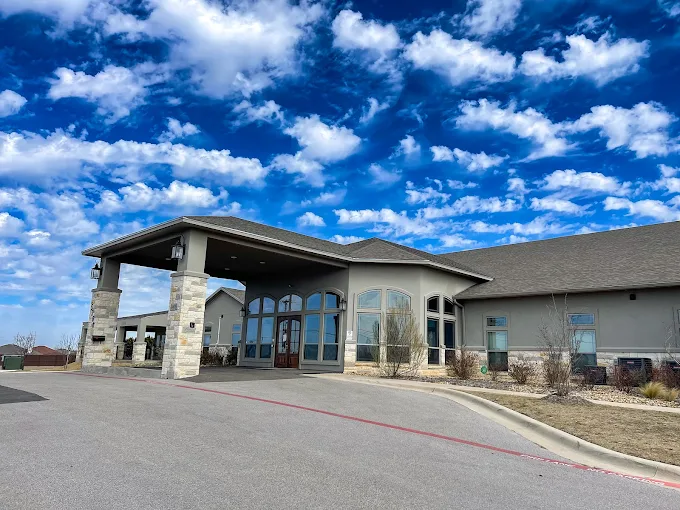
Killeen, Texas
Medical detox, residential, PHP and IOP, and the home of Warriors Path, our veteran program. TRICARE West Prime and Select are in network here.

Las Vegas, Nevada
Medical detox and residential care in private villas at our Corbett campus, including a dedicated eating disorder villa. Veterans come here from across the West.
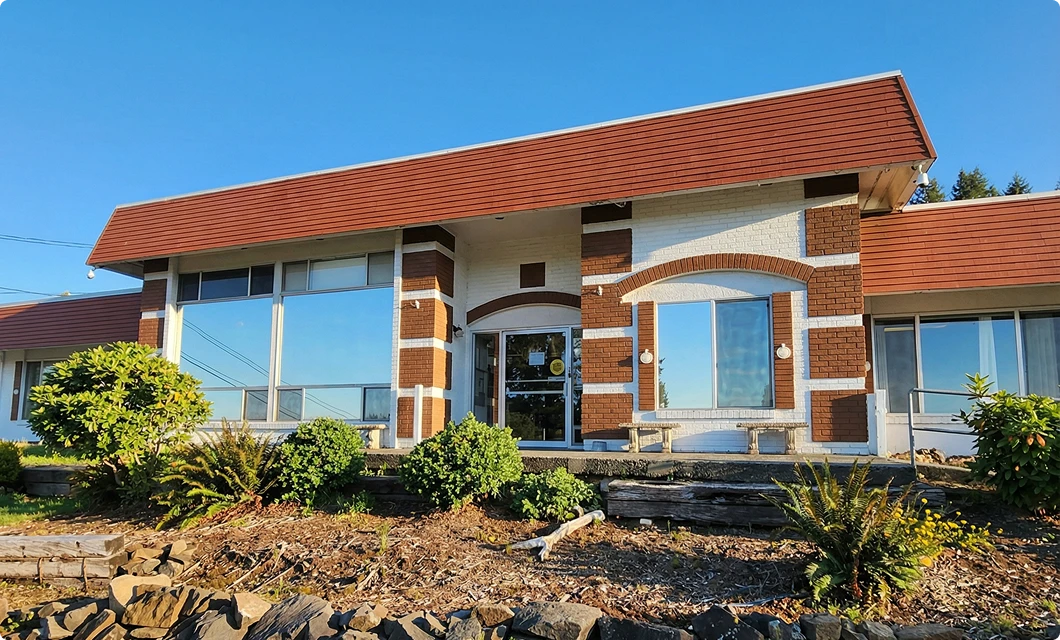
Astoria, Oregon
Medical detox and residential care on the Oregon coast. Astoria coordinates rides for veterans from up to six hours away.
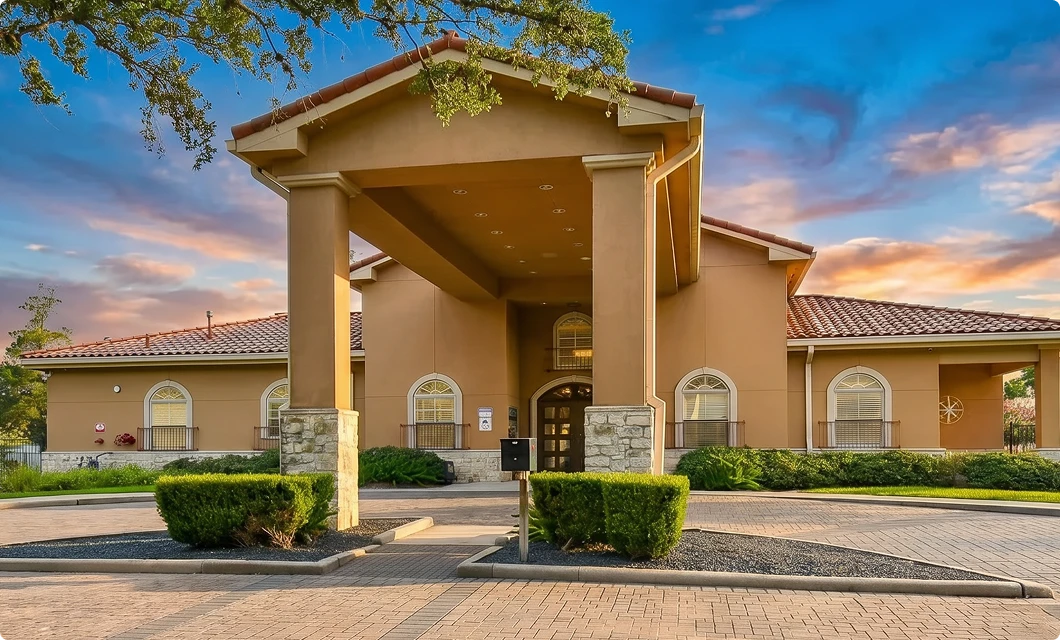
Houston, Texas
Medical detox and residential treatment. Veterans are admitted here through VA community care.


Two of the people running our locations served. Dr. Rajesh Harripersad, Regional Executive Director at Killeen and the author of this page, is a retired U.S. Army combat veteran. Josh Davis, Regional Executive Director in Oregon, is a U.S. Army veteran. Read more about drug and alcohol rehab for veterans at Virtue, or about TriWest and TRICARE at each location.
In their words
What veterans say about our Astoria location

★★★★★
I was supposed to go to White City VA, (I am a combat veteran) but when I got there, I was told I needed to detox and I was sent here. At first, I was absolutely terrified as the VA took me to the hospital in Medford, but from the moment I was picked up by their driver, to the day of my discharge, I was treated in a way I have rarely been treated at any other facility, and that is with the dignity and respect that I’ve always wanted to have as a human, they cared about my diet they cared about my needs. They were there for me when I was scared they help me when I was at my lowest. And gave me another chance at life something you can’t put a price on, but I’ll always be thankful for. The food was also really good and the person in charge of the kitchen is awesome ( am I allowed to say Annie?) . Thank you for taking such good care of me and that goes for everybody that was here. I don’t have a negative thing to say about anything except the reason why I had to come here, but it was a very positive experience and you get to be in Astoria beautiful story where they film the goonies detoxing sucks, but it didn’t suck so bad being here thank you.
★★★★★
My life has changed for the better after attending Virtue at The Point. They are less clinical with us veterans and connect on a more human to human nature. The chefs are 5 star level in my opinion. I found myself chatting late at night to the front desk if I couldn’t sleep. This place became my safe place and home away from home. All my medical needs were met with hast and perfect performance. Love every one here. Never have I ever been in place that truly care for the needs of men let alone combat veterans. It was a blessing and honor to have been there.
Reviews left on Google for our Astoria location, reproduced as published. They reflect one person's experience and are not a prediction of outcome for anyone else.
Common questions
Questions about whether VA benefits cover rehab
You can call and ask any of these directly. No obligation, and someone answers around the clock.
(866) 461-3339- Does the VA pay for rehab?
- Yes, for veterans enrolled in or eligible for VA health care. The VA treats substance use in its own programs, and it can also approve treatment at a community provider through a community care consult. The VA decides which applies to you.
- Do VA benefits cover rehab at a private treatment center?
- They can, through VA community care. Your VA care team has to submit a community care consult and the VA has to approve it before treatment at a private provider is covered. Call us and our VA liaison will walk you through where you stand.
- Does the VA cover inpatient rehab?
- Yes. The VA offers residential (live in) treatment and medically managed detox, and it can approve inpatient care at a community provider through a community care consult when you qualify.
- Does the VA pay for alcohol rehab?
- Yes. Alcohol treatment goes through the same process as any other substance use treatment: inside the VA, or through a community care consult. Because alcohol withdrawal can be dangerous, tell your VA if you need detox first. Alcohol in the military and after service →
- Can I go to a private rehab instead of a VA rehabilitation center?
- You can ask. Community care exists for exactly that, and you can tell your VA care team which provider you would like. The VA decides whether you qualify, based on its eligibility standards and what its own programs can offer you.
- I have TriWest. Is that my insurance?
- TriWest runs the VA community care network in most western states on behalf of the VA. Using TriWest means using your VA benefit through a community care authorization, so the VA consult still comes first.
- Does TRICARE work here?
- TRICARE West Prime and Select are in network at our Killeen, Texas facility. If you have another TRICARE plan, or you want to be treated at another location, call and admissions will check your plan with you.
- I already have a consult. What now?
- Call us and tell admissions the consult has been placed, and with which VA. You will be connected with our VA liaison, who can follow it from there.
- I am being discharged from the hospital today.
- Call us now, while you are still there, and ask the hospital social worker about a community care consult before you leave. A consult started during a hospital stay does not always carry over after discharge.
- Do I need a disability rating?
- A rating is not required. VA health care eligibility rests on your service and discharge. A service connected disability rating can raise your priority group, but it is not what makes you eligible for treatment.
- The VA turned down my request. Is that it?
- A denial can be appealed through the VA clinical appeals process, which is reviewed by your facility chief medical officer or someone they designate. Call us too. We will look at the whole picture with you.
- Can my spouse or parent start this for me?
- Yes, a family member can call us and start the conversation. VA health care covers the veteran, so the veteran has to take part in the VA consult. A spouse or child may have coverage of their own, such as TRICARE or CHAMPVA.
Sources
- U.S. Department of Veterans Affairs. Eligibility for community care outside VA.
- U.S. Department of Veterans Affairs. How to get community care referrals and schedule appointments.
- U.S. Department of Veterans Affairs. Substance use treatment for Veterans.
- U.S. Department of Veterans Affairs. Eligibility for VA health care.
- U.S. Department of Veterans Affairs, Office of Community Care. Community Care Network.
- TRICARE. Eligibility.
- U.S. Department of Veterans Affairs. CHAMPVA benefits.
- Veterans Crisis Line. Dial 988 then press 1.
Virtue Recovery Center is a private treatment provider. We are not a VA facility, we are not operated by the Department of Veterans Affairs, and nothing on this page is VA guidance. Written and clinically reviewed by Dr. Rajesh Harripersad, EdD, LPC-S, LCDC. Last reviewed October 2026.
You are allowed to ask
If you are calling for someone else
Most people who call us are calling about someone they love. You can ask about the options and check their insurance on their behalf, and it stays a conversation until you decide otherwise.
Related reading
Drug and alcohol rehab for veterans
Warriors Path, care for PTSD alongside substance use, and the veterans who lead our locations.
Read the guide →Alcohol in the military and after service
When drinking that started in service becomes a problem, and what helps.
Read the guide →TriWest and TRICARE
Which locations work with TriWest, and where TRICARE West is in network.
Read the guide →Insurance
We accept most major insurance plans.







And most PPO plans. Coverage varies by plan and by facility, so if your carrier is not shown, ask rather than assume.
- Free, and there is no obligation at the end of it
- Usually answered within minutes during the day
- You can check on behalf of someone else
- Admissions answers the phone 24 hours a day
- No insurance? Ask about private pay options. Nobody is turned away without knowing their next step.
Check my insurance coverage
100% confidential · No commitment required
Call us, wherever you are in the VA process.
Before your VA appointment, after the consult is placed, or from a hospital bed. Admissions will connect you with our VA liaison and arrange a clinical assessment.
Confidential. No obligation. Someone answers, 24 hours a day.