
ARFID treatment for adults in Las Vegas
Avoidant/restrictive food intake disorder (ARFID) can shrink your world to a handful of safe foods. At Virtue, adults work through it in residential care at a dedicated eating disorder villa in Las Vegas, with a dietitian, a chef and a team that plans every meal around you.
- For adults 18 and older, in a dedicated eating disorder villa with private rooms
- Meals prepared to your plan by a chef and specialty eating disorder techs
- Food exposure work alongside CBT, DBT and motivational interviewing
- Commercial plans with mental health benefits, including out-of-network, and VA Community Care
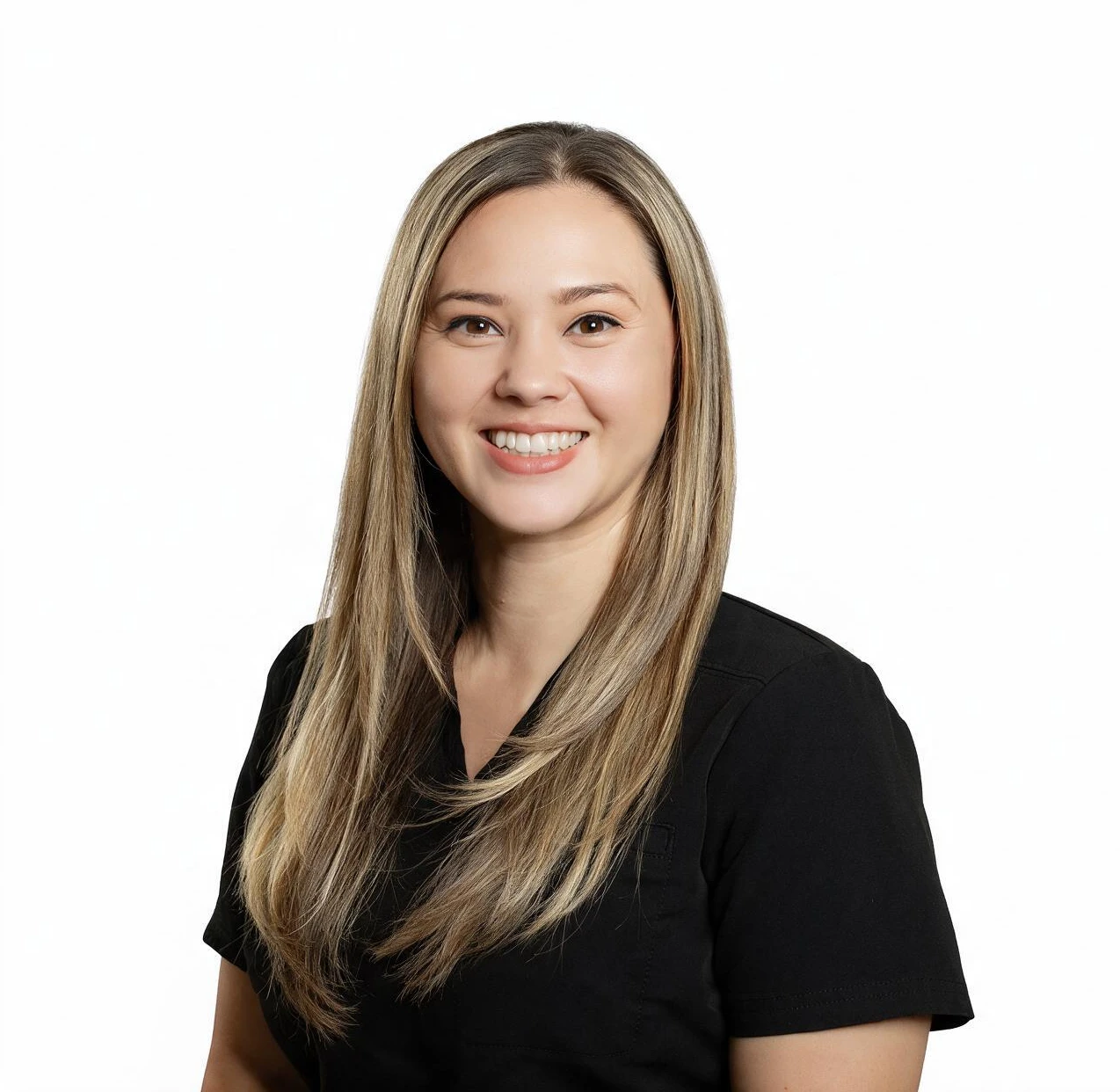
Written by
Laura De Fiesta, MS, RD, LD, Director of Nutrition and Culinary Services
Last reviewed October 2026
Check your insurance

Free & confidential • No obligation • Usually answered within minutes





Understanding ARFID
What ARFID is, and why it is more than picky eating
- Adults 18 and older
- Residential, in Las Vegas
- Dietitian-led meal plans
- Co-occurring care in one plan
ARFID is an eating disorder in which someone eats too little, or too narrow a range of foods, to meet their body's needs. It is not about wanting to change weight or shape. It is about how food feels, what someone fears it will do, or not being able to care much about eating at all.
At Virtue, ARFID is part of the everyday work of our eating disorder program, not an add-on to it. Right now it is the diagnosis we see most often among the women in the program, and the team in our Las Vegas villa plans meals, therapy and exposure work around it every day.
Many adults with ARFID have heard for years that they are just picky. Picky eating is a preference that bends when it has to. ARFID does not bend: it shows up as skipped work lunches, dinners avoided with a partner, nutrition shakes standing in for meals, and real fear at the table. That is why our program is built around meals themselves, where trying a new food happens with a dietitian and a team beside you rather than alone.
Signs to look for
ARFID symptoms in adults
ARFID in adults rarely looks dramatic from the outside. Most people we admit have built a careful routine around a few safe foods, and that routine has quietly started to cost them energy, health or time with other people. These are the signs our clinical team looks for at assessment.
A short list of safe foods
The same few foods, often the same brands, and real distress when they are not available.
Texture and sensory triggers
Avoiding foods because of texture, smell, color or temperature. Mixed textures are often hardest.
Fear of what food will do
Worry about choking, vomiting, pain or a reaction, sometimes after one frightening experience.
Little interest in eating
Forgetting to eat, feeling full quickly, or finding meals a chore rather than something wanted.
Avoiding meals with others
Turning down restaurants, work events or dates because of what might be on the table.
Physical strain
Low energy, feeling cold, dizziness, or leaning on supplements and nutrition drinks to get by.
You do not need every sign on this list, and none of them is a character flaw. When you arrive, our dietitian and clinical team look at the whole pattern, including any anxiety, depression or trauma that sits alongside it, and build your treatment plan from there.
Where it comes from
What causes ARFID?
There is rarely a single cause. ARFID tends to grow from a few roots that overlap, and working out which ones are yours is the first thing our team does, because it decides where exposure work starts and what therapy focuses on. Clinicians usually describe three.
Sensory sensitivity
Strong reactions to texture, taste or smell, often present since childhood.
Fear of consequences
Fear of what food will do to the body: choking, vomiting or pain.
Low appetite or interest
Eating feels like an obligation, and hunger cues are easy to miss.
Many adults have more than one. ARFID also often travels with anxiety, OCD, autism, ADHD, digestive conditions or past trauma. When a mental health condition such as anxiety, PTSD or bipolar disorder is active alongside the eating disorder, our team treats it at the same time and in the same plan, so you are not managing one in Las Vegas and the other somewhere else.
The goal is not a perfect plate. It is a better relationship with food, and with yourself, that you can take home.

How we treat it
ARFID treatment for adults, from a specialist eating disorder team
Treatment at Virtue is about relationship, not rules. The aim is to heal how you relate to food and to yourself, so that by the time you leave you can nourish yourself at home. Three kinds of work carry most of it.
Food exposure, one texture at a time
ARFID loosens when you approach avoided foods gradually and with support. Our exposure groups are hands on: preparing food together, handling it, and trying new textures in an order you help set. Because a chef and specialty techs prepare meals to your plan, each new step lands on a plate built for you.
Therapy for the fear underneath
CBT helps you test the predictions that keep foods off the table. DBT builds the skills to stay with anxiety at a meal. Motivational interviewing helps when part of you is unsure about change, which is common and workable. Our therapists work in a trauma-informed way, because for many adults the fear around food started with something that happened.
Relearning to listen to your body
We use an intuitive eating approach. Over your stay, eating moves from following the plan to noticing hunger and fullness and responding to them. Our dietitian, Laura De Fiesta, MS, RD, LD, leads nutrition care and works with you on what meals look like after discharge.
Who is on your ARFID specialist team
Registered dietitian
Builds your meal plan and leads nutrition care through discharge.
Therapists
Individual and group therapy using CBT, DBT and motivational interviewing.
Eating disorder techs
Specialty staff who support meals and exposure work through the day.
Chef
Prepares each meal to your plan, including the foods you are working toward.
Nursing
Nurses on site 24 hours a day at the Corbett campus.
Psychiatric care
Evaluation and medication management for co-occurring conditions.


Where treatment happens
ARFID residential treatment at our Corbett villa
Our eating disorder program has its own villa on the Corbett campus in northwest Las Vegas, with its own program space. Everyone living there is in eating disorder treatment, and every room is private.
Living on site matters for ARFID because the hardest moments come at meals, several times a day. In residential care, those moments happen with people who expect them: the chef and techs who prepared your plate, the dietitian who planned it, and nurses on site around the clock.
- A private room, every stay
- Its own program space on the Corbett campus
- Meals prepared to your plan, every day
- Nursing on site around the clock
Getting the right care
Is residential ARFID treatment the right step?
Residential care at Virtue is for adults who are medically ready to do the work of eating, even when it is very hard. Some people need a hospital first, and saying so early is part of getting you to the right place.
Residential at Virtue may fit if
- You are 18 or older
- You can eat by mouth, even when eating is very hard
- Weekly appointments have not been enough structure
- Anxiety, PTSD, depression or another condition is part of the picture
- Part of you is ready to try, even if you are scared
A hospital may need to come first if
- You need medical weight restoration in a hospital
- You need tube feeding
- A doctor has said you need medical monitoring before anything else
A hospital stay is not a closed door. Residential care here is the step after it, and admissions can talk with you, your family or your treatment team about timing the move.
Where residential fits
- Step 1 Hospital care, if needed Medical stabilization, weight restoration or tube feeding, when the body needs it first.
- Step 2 Residential at Corbett Exposure work, therapy and meals made to your plan in the eating disorder villa.
- Step 3 Home, with a plan A discharge plan for eating at home, built with your dietitian and therapist.
Coming to Las Vegas
ARFID treatment near me: why adults travel to Las Vegas
Because ARFID treatment at Virtue is residential, you live on the Corbett campus for your stay. That makes distance less of a barrier than it is for weekly appointments, and people travel to our Las Vegas villa for exactly that reason. Admissions can walk you through what arriving looks like.
Veterans: VA Community Care referrals
Virtue is one of the few residential programs that accepts VA Community Care referrals for eating disorders. Your VA team can refer you, and stays the VA authorizes can be extended when you need more time. Care for veterans →
Calling about a teenager?
Our ARFID program is for adults 18 and older. Call us anyway: admissions can talk through what you are seeing and help point your family toward care built for teens.

Common questions
Questions people ask about ARFID treatment
Anything not answered here, ask on the call. There is no obligation.
(866) 461-3339- What does ARFID look like in adults?
- Usually a narrow list of safe foods, strong reactions to texture or smell, fear of choking or vomiting, or very little interest in eating. In adults it often shows up as skipped work lunches, avoided restaurants and relying on nutrition drinks. At admission, our dietitian and clinical team look at your whole pattern, not a checklist.
- Is ARFID just picky eating?
- Picky eating is a preference that bends when it has to. ARFID affects health, energy or daily life, and it is driven by sensory sensitivity, fear of what food will do, or low interest in eating. It is a recognized eating disorder, and it is the diagnosis we see most often among the women in our eating disorder program right now.
- What does ARFID treatment for adults involve at Virtue?
- Residential care in our eating disorder villa on the Corbett campus in Las Vegas. Treatment combines food exposure work (preparing foods and trying textures), CBT, DBT, motivational interviewing and trauma-informed care, with an intuitive eating approach. A chef and specialty eating disorder techs prepare meals to your plan, and our dietitian leads nutrition care.
- Do you treat ARFID in teens?
- Our ARFID program is for adults 18 and older. If you are a parent worried about a teenager, call us anyway. Admissions can talk through what you are seeing and help point you toward care built for their age.
- What if I need a hospital first?
- Some people need medical weight restoration or tube feeding in a hospital before residential care is safe. If that is you, residential at Virtue can be the next step once you are medically ready, and admissions can talk with you or your treatment team about timing.
- Does insurance cover ARFID treatment?
- Many commercial plans with mental health benefits cover residential eating disorder treatment, and Virtue accepts out-of-network plans. Veterans can be referred through VA Community Care. Our admissions team verifies your benefits for free before you decide anything.
- Can I travel to Las Vegas for ARFID treatment?
- Yes. Because ARFID treatment here is residential, you live on the Corbett campus for your stay, so people travel to us from outside Las Vegas. Admissions can walk you through what arriving looks like.
- How long does residential ARFID treatment take?
- Length of stay is based on clinical need, and it is reviewed as you progress. For veterans, stays authorized by the VA can be extended when more time is needed.
You are allowed to ask
If you are calling for someone else
Most people who call us are calling about someone they love. You can ask about the options and check their insurance on their behalf, and it stays a conversation until you decide otherwise.
Related reading
Residential eating disorder treatment
How the Las Vegas eating disorder program works, including co-occurring substance use.
Read the guide →Nutritional counseling
How our dietitians build and adjust meal plans during treatment.
Read the guide →Meal support
What staff-supported meals look like in the eating disorder villa.
Read the guide →Treatment for veterans
VA Community Care referrals and care built around military life.
Read the guide →Insurance
We accept most major insurance plans.
For eating disorder care, Virtue works with commercial plans that include mental health benefits, including out-of-network plans, and with VA Community Care for veterans.








And most PPO plans. Coverage varies by plan and by facility, so if your carrier is not shown, ask rather than assume.
- Free, and there is no obligation at the end of it
- Usually answered within minutes during the day
- You can check on behalf of someone else
- Admissions answers the phone 24 hours a day
- No insurance? Ask about private pay options. Nobody is turned away without knowing their next step.
Check my insurance coverage
100% confidential · No commitment required
Still have questions? Call us.
Admissions will verify your insurance and arrange a clinical assessment, which is what decides whether residential ARFID treatment is the right step.
Confidential. No obligation. Someone answers, 24 hours a day.
