
If you are in crisis right now, call the Veterans Crisis Line: dial 988 and press 1, text 838255, or chat at VeteransCrisisLine.net[8]. More crisis options
Key Takeaways
- Military sexual trauma (MST) is the VA term for sexual assault or threatening sexual harassment during military service
- MST happens to men and women, and it is never the survivor’s fault
- PTSD and substance use disorders are among the conditions most often linked to MST
- Drinking or using to numb feelings or to sleep is a common way people cope, and treating the trauma and the substance use together works best
- VA provides free MST-related care, with no need to have reported it and no disability rating required
Military sexual trauma is something many veterans carry for years without telling anyone. Some never put a name to it. What they notice instead is the drinking that got heavier, the pills that made sleep possible, or the way they started avoiding people, places and memories.
This guide is for veterans who have experienced military sexual trauma, and for the people who care about them. It explains what MST is, the symptoms it can leave behind, why it so often leads to substance use, and how military sexual trauma treatment for veterans works when addiction is part of the picture. There are no graphic details here, and you can read it at your own pace.
What Is Military Sexual Trauma?
Military sexual trauma, often shortened to MST, is the term the VA uses for sexual assault or threatening sexual harassment experienced during military service. It includes unwanted sexual activity that happened while someone was asleep or intoxicated. MST is an experience, not a diagnosis, and it can affect a person in many different ways.[1][2][3]
It is more common than many people realize. According to the VA's National Center for PTSD, national screening data show that "about 1 in 3 women and 1 in 50 men respond 'yes,' that they experienced MST, when screened by their VA provider."[3] Those numbers cover only veterans who use VA health care, and they reflect only the people who chose to answer yes.
Whatever happened, and however long ago, it was not your fault. Many survivors spend years blaming themselves or wondering whether what happened counts. If it happened to you during service and it still affects you, it counts.
Can Men Experience Military Sexual Trauma?
Yes. MST happens to men and women. Rates are higher among women, but because there are many more men than women in the military, significant numbers of both are seen at VA, and over 1 of every 3 veterans who tell a VA provider they experienced MST are men.[3]
If you are a man who has experienced MST, you may have waited a long time to talk about it, or only thought of raising it after treatment for something else, such as drinking. It is never too late to raise it.
Military Sexual Trauma Symptoms and How They Show Up
There is no single way to react to MST. Some people have strong reactions right away. Others feel fine for years, then find that a life change, a news story or a reminder brings everything back. The VA's National Center for PTSD describes these common experiences among survivors[3]:
Strong emotions
Sudden, intense reactions, anger or irritability that will not settle, or depression.
Feeling numb
Feeling emotionally flat, or finding it hard to feel love or happiness.
Trouble sleeping
Trouble falling or staying asleep, and disturbing nightmares.
Focus and memory
Trouble staying focused, concentrating or remembering things.
Alcohol or drugs
Drinking or using drugs to cope with feelings or to fall asleep.
Reminders
Feeling on edge, not feeling safe, or avoiding things that bring it back.
Relationships
Pulling away, trouble trusting people, or difficulty with authority.
Physical health
Chronic pain, weight or eating problems, or stomach problems.
Posttraumatic stress disorder (PTSD) is one of the most common mental health diagnoses among MST survivors. Depression and other mood disorders, and substance use disorders, are also frequently related to MST[3]. Our page on trauma and PTSD treatment explains how those conditions are treated.
Why Military Sexual Trauma and Substance Use So Often Go Together
For many survivors, alcohol or drugs start out as a way to get through the day. The VA lists "alcohol or other drug use to numb or escape from negative feelings" among the effects MST can have[2]. Research backs up what survivors describe. In a study of more than 125,000 Iraq and Afghanistan veterans using VA care, MST was associated with increased odds of PTSD, other anxiety disorders, depression and substance use disorders[6]. A later study of more than 435,000 veterans found that a positive MST screen was associated with higher rates of both alcohol use disorder and drug use disorder, in men and in women[7].
PTSD sits in the middle of this for many people. The National Center for PTSD notes that people use drugs or alcohol to try to deal with PTSD symptoms, for example to relax or to feel more comfortable around others. Veterans who have had PTSD are about 2 times more likely to have problems with alcohol and 3 times more likely to have problems with drugs than veterans who have not[5].
The relief does not last. Using drugs or alcohol can make PTSD symptoms worse, and although some people drink to sleep, alcohol makes sleep less restful[5]. That is how self-medication becomes a cycle: the trauma drives the drinking or using, and the drinking or using makes the trauma symptoms harder to live with. If you recognize alcohol in this, our guide to alcohol in the military and after service goes deeper.
"Research shows that treating PTSD and substance use at the same time works to treat both conditions."
Signs That Drinking or Using Has Become a Way to Cope
Self-medicating rarely looks dramatic from the inside. It tends to feel like the thing that makes life manageable. A few honest questions can help you see it more clearly:
- Do you drink or use mostly to fall asleep, or to stop the nightmares?
- Do you reach for something when a memory, a smell or a place brings it back?
- Do you need alcohol or drugs to feel comfortable around people?
- Has it taken more over time to get the same relief?
- Have you tried to cut back and found the feelings you were numbing came straight back?
- Have people close to you said they are worried?
If several of these are true, it does not mean something is wrong with you. It usually means the trauma has been carrying more weight than anyone knew, and that both the trauma and the substance use deserve care. After heavy, long-term drinking, stopping suddenly can set off withdrawal that is painful or even potentially life threatening, so get medical help to plan a safe stop[9]. The same goes for some drugs. Any decisions about medication are made with a prescriber.
Military Sexual Trauma Therapy for Veterans Through the VA
The VA provides free treatment for any physical or mental health conditions related to experiences of MST[1], and that care is available no matter how long ago the experience occurred[2]. MST-related outpatient services are available at every VA medical center, and the VA also offers MST-related treatment in residential and inpatient programs[1].
For PTSD related to MST, the VA offers trauma-focused therapies such as Cognitive Processing Therapy (CPT), which helps a person examine and change the way they think about the trauma, and Prolonged Exposure (PE), which helps a person gradually approach trauma memories they have been avoiding. VA care for MST can also include therapies for substance use disorders, such as cognitive behavioral therapy and motivational enhancement therapy[4]. Some VA facilities have separate programs for men and women, and you can ask for a male or female clinician[4].
There are three easy places to start[1]:
- MST Coordinator Every VA medical facility has one. Call your nearest VA medical center and ask for the MST Coordinator.
- Vet Center Community-based Vet Centers offer MST-related counseling in a nonmedical setting.
- Beyond MST app A free, secure and private self-help app from the VA, for use on your own time.
Do You Have to Have Reported MST to Get VA Care for It?
You do not need to have reported the MST at the time to get MST-related care at VA, and you do not need a VA disability rating. MST-related care is available to veterans and most former service members, including those with an Other Than Honorable discharge, and standard length of service requirements do not apply.[1]
You also do not need to be enrolled in VA health care to ask about MST-related care at a VA medical center, and some former National Guard and Reserve members are eligible too[1]. If you never reported what happened, you are not shut out. Not having reported it is not a barrier to VA MST care.
Can Virtue Help With Military Sexual Trauma and Addiction?
Yes. Virtue provides trauma-informed care that addresses military sexual trauma alongside substance use and other mental health conditions, treated with confidentiality and respect. Our admissions team can talk with you privately about the support available.
Military sexual trauma treatment for veterans works best when the trauma and the substance use are treated together rather than one after the other[5]. That is the idea behind dual diagnosis treatment, which treats a substance use disorder and a mental health condition at the same time.
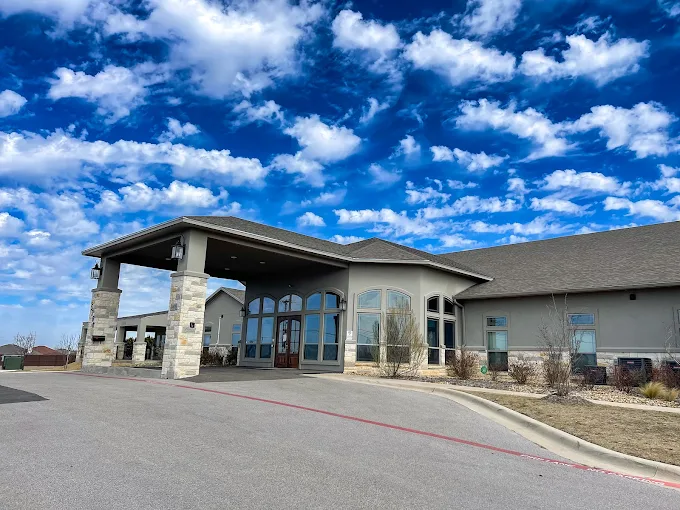
Veterans are treated at our Killeen, Texas, Las Vegas, Nevada and Astoria, Oregon locations. Killeen is the home of Warriors Path, our flagship veteran program, built by Dr. Rajesh Harripersad, a retired U.S. Army combat veteran and the author of this article.
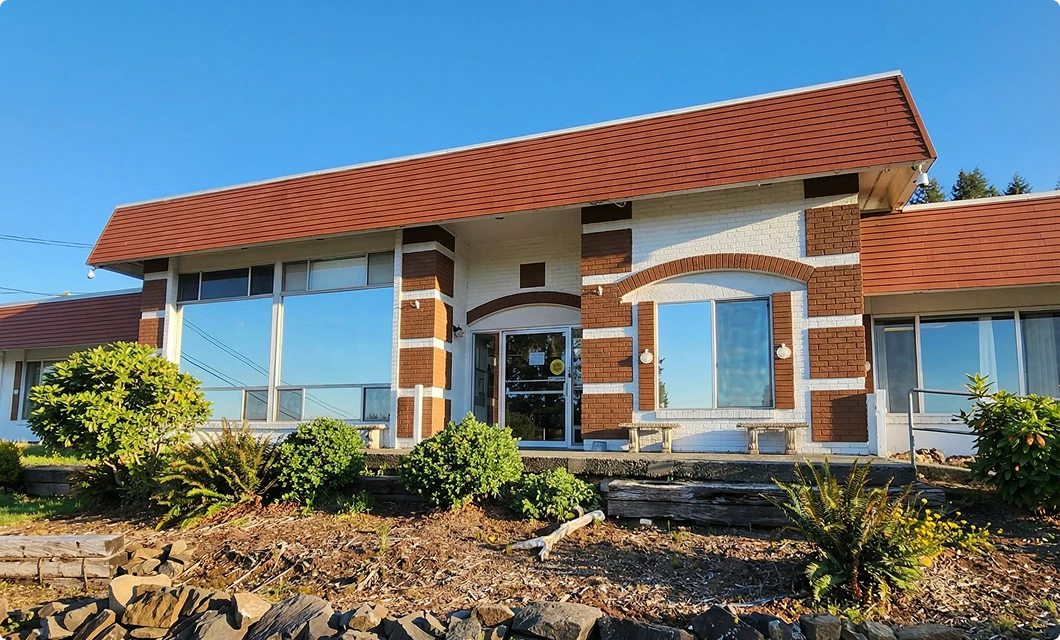
Veterans can use VA benefits for treatment at Virtue through VA Community Care, which is administered by TriWest. Our guide Does the VA pay for rehab? explains how a community care referral works, and our TriWest page covers the details. At Killeen, TRICARE West Prime and Select are also in network; see rehab that takes TRICARE. Benefits verification is free and confidential. Read more about drug and alcohol rehab for veterans.
How to Support a Veteran Who Has Experienced MST
If someone you love has told you about MST, or you suspect it, the most helpful thing is usually the simplest: believe them, and let them decide how much to share. You do not need the details to be supportive. Questions about what happened can feel like pressure, even when they come from care.
If their drinking or drug use worries you, talk about what you have noticed, when they are sober, without labels. Offer one concrete next step, such as looking up the MST Coordinator at their nearest VA medical center together, or a call with our admissions team. And look after yourself too. The Veterans Crisis Line also serves the families and friends of veterans[8].
Sources
- [1] U.S. Department of Veterans Affairs. Military sexual trauma (MST).
- [2] U.S. Department of Veterans Affairs, Mental Health. Military Sexual Trauma.
- [3] U.S. Department of Veterans Affairs, National Center for PTSD. Military Sexual Trauma.
- [4] U.S. Department of Veterans Affairs, Mental Health. Military Sexual Trauma Treatment & Veteran Support.
- [5] U.S. Department of Veterans Affairs, National Center for PTSD. Substance Use and PTSD.
- [6] Kimerling, R., Street, A. E., Pavao, J., Smith, M. W., Cronkite, R. C., Holmes, T. H., & Frayne, S. M. (2010). Military-related sexual trauma among Veterans Health Administration patients returning from Afghanistan and Iraq. American Journal of Public Health, 100(8), 1409 to 1412.
- [7] Goldberg, S. B., Livingston, W. S., Blais, R. K., et al. (2019). A positive screen for military sexual trauma is associated with greater risk for substance use disorders in women Veterans. Psychology of Addictive Behaviors, 33(5), 477 to 483.
- [8] Veterans Crisis Line. Dial 988 then press 1.
- [9] National Institute on Alcohol Abuse and Alcoholism. Treatment for Alcohol Problems: Finding and Getting Help. National Institutes of Health.
Virtue Recovery Center is a private treatment provider, not a VA facility, and is not operated by the Department of Veterans Affairs.
Written by

Regional Executive Director — U.S. Army Retired
Dr. Rajesh Harripersad is the Regional Executive Director for Virtue Recovery Center Killeen, a retired U.S. Army combat veteran with over 35 years of combined military and civilian leadership experience. He holds a Doctor of Education (EdD) in Organizational Leadership with an emphasis in Behavioral Health from Grand Canyon University, and a Master’s degree in Counseling Psychology from the University of Mary Hardin-Baylor. He is the founder of “Don’t Walk Alone,” a community initiative supporting veterans facing homelessness and addiction. His current role at Virtue is executive leadership, not direct clinical care.
Read Full Bio →
