






















Key Takeaways
- Holistic treatments may assist with physical, emotional, and mental stress throughout rehabilitation.
- Mindfulness, yoga, and planning your meals are all ways to help you recover and find inner peace.
- Many alcohol recovery programs use both conventional and holistic methods.
- Less stress makes it easier to concentrate, stay motivated, and do better in the long run.
Introduction
Recovering early on might seem like an emotional rollercoaster. The first few weeks after stopping drugs & alcohol are generally the worst. You may have withdrawal symptoms, cravings, worry, and uncertainty. Stress may rapidly lead to relapse if it’s not handled properly.
That’s why many current rehabilitation clinics focus on holistic therapy, which involves treating the whole person and addressing their physical, mental, and spiritual needs. Holistic treatment helps individuals begin their recovery journey with a more grounded and empowered sense of self by reducing stress and restoring balance.
What Are the Most Effective Ways to Manage Stress in Early Recovery?
The body and brain are getting used to being sober throughout detox and the first several weeks after. The things that used to help with mood are gone, and the body’s natural stress reaction is stronger. These strong emotions might cause a relapse or emotional instability if you don’t get help.
Holistic treatments empower individuals to rebuild a deeper mind-body connection, reinforcing restorative daily routines and nurturing long-term emotional balance. These approaches introduce nourishing, non-addictive coping tools, such as movement, breathwork, and nutrition, that help regulate stress, reduce chronic worry, and combat fatigue at its root.
People can handle the early stages of recovery more confidently when they learn what causes them stress and how to manage it before it occurs. Stress doesn’t disappear overnight, but practicing holistic self-care daily makes it easier to manage—and less likely to jeopardize your long-term sobriety.
How Does Meditation and Mindfulness Help?
Mindfulness teaches people how to sit with their pain without acting on it right away. Guided meditations, body scans, and simple breathing exercises help lower cortisol levels, improve concentration, and bring inner calm.
Mindfulness is commonly utilized in alcohol rehab centers combined with regular therapy to help people become more aware and less anxious. It teaches the brain to stop and think, which is an important ability to have when things become emotionally overwhelming throughout recovery.
Long-term mindfulness meditation helps you better control your emotions, reduce cravings, and even increase gray matter in parts of the brain crucial for memory and empathy. The National Center for Complementary and Integrative Health (NCCIH) supports the use of mind-body approaches, such as mindfulness, in substance use recovery (NCCIH, Mind and Body Approaches).
Benefits of Yoga and Physical Movement
Addiction may make individuals feel like they aren’t in their bodies. Yoga slowly brings that connection back. It strengthens the body, increases flexibility, and helps individuals release their emotions through movement and breathing.
Yoga therapy also activates the body’s natural “rest and digest” mode, which is controlled by the parasympathetic nervous system. This helps relax the body and calm the mind. As part of their comprehensive treatment plans, several programs offer yoga classes on a daily or weekly basis.
Yoga not only helps you manage stress, but it also promotes better sleep, increases your energy, and enhances your body awareness. These improvements not only aid the body’s recovery but also improve the person’s self-image and confidence. Research by NCCIH shows that yoga is effective and safe when integrated into addiction recovery programs.
Nutrition and Health for Recovery
The food we consume has a direct effect on how we feel. Long-term drug usage might cause a lack of nutrients, which can make you tired, moody, and irritable. Holistic therapy focuses on healing via diet to help regulate mood and clear the mind.
Comprehensive programs often recommend good foods, supplements, and hydration as top priorities. This helps people go back to being physically healthy while also getting rid of the mental fog and emotional reactivity that frequently come with bad eating habits.
Many facilities also teach people how to keep up healthy eating habits after therapy. Eating properly becomes more than just a means to help you recover; it becomes a tool for maintaining your health for the rest of your life.
Art and Music Are Examples of Creative Therapies
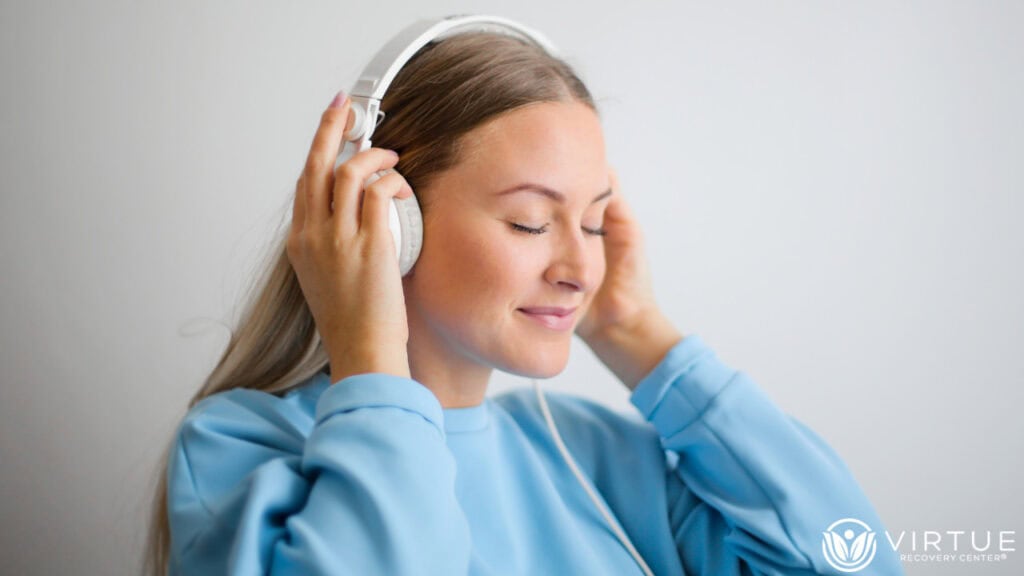
Art and music therapy are excellent ways to manage your emotions. They provide people who are in pain, happy, hopeful, or scared opportunities to communicate their feelings without having to speak about them.
These treatments work by stimulating the brain’s reward system, which makes people feel calmer, more confident, and more connected. Creative pursuits, such as painting, writing, or participating in drumming circles, may help you relax and express yourself.
Being creative may also help repair pleasure circuits in the brain that addiction has destroyed. This makes life in sobriety seem more full and alive, which is an important emotional buffer against stress.
Spiritual Practices and Being in Touch with Nature
Ecotherapy, which involves spending time outside to lower stress and boost mood, is commonly part of holistic medicine. Walking in nature, gardening, and therapy with animals might help you feel more grounded and less stressed.
Spirituality, even if it’s not tied to a specific religion, is also a factor. People may discover meaning and purpose through activities such as prayer, meditation, or writing in a gratitude journal. This makes them more emotionally strong in the early stages of recovery.
People who feel connected to something bigger than themselves, such as nature, religion, or their community, tend to have a more positive outlook on life and greater hope. These sentiments keep people grounded throughout the ups and downs of rehabilitation.
Conclusion
One of the most crucial parts of early rehabilitation is learning how to deal with stress, and holistic therapy is a proven method to assist. These treatments help people go through early sobriety with more peace, clarity, and connection by concentrating on the body, mind, and spirit.
Holistic tools provide individuals the capacity to replace bad behaviors with good ones, whether it’s via yoga, meditation, or creative expression. The result? A recovery path that is more stable, confident, and calm. When you incorporate holistic approaches into your daily life, you not only lower your stress levels but also build strength and resilience.
We use both evidence-based treatment and holistic therapies at Virtue Recovery Center to help people relax and stay sober for good. Call our team at 866.461.3339 now if you’re ready for a whole-person, caring approach.
Frequently Asked Questions
Are holistic therapies based on evidence?
Yes. Many holistic activities, such as yoga, mindfulness, and healthy eating, have been scientifically demonstrated to lower stress and aid in healing.
Do all rehabilitation programs provide therapy that considers the whole person?
A lot of drug & alcohol treatment programs now offer holistic choices, but not all of them do. During the intake process, it’s crucial to inquire about these services.
Can holistic therapy replace medical detox?
No. Holistic treatment doesn’t replace medical detox and therapy; it adds to them. It’s a component of a bigger approach for rehabilitation that works together.
What if I don’t like some of the holistic methods?
That’s OK. You can tailor holistic therapy to suit your needs. Clients may choose practices that fit with their path to recovery.
Resources:
National Center for Complementary and Integrative Health. Mind and Body Approaches for Substance Use Disorders: What the Science Says. U.S. Department of Health and Human Services, 2021. https://www.nccih.nih.gov/health/providers/digest/mind-and-body-approaches-for-substance-use-disorders-science.
National Center for Complementary and Integrative Health. Yoga: In Depth. U.S. Department of Health and Human Services, 2020. https://www.nccih.nih.gov/health/yoga-effectiveness-and-safety.
Auraria Library. The Role of Holistic Wellness in Addiction Recovery. University of Colorado Denver. https://digital.auraria.edu/files/pdf?fileid=c59936c6-252e-4a91-9516-27306c031bab.