






















Key Takeaways
- Stressful life events can make Valium feel like a quick fix, but it can easily turn into a long-term problem.
- Seeking addiction help early can prevent the spiral into dependency.
- Significant life changes, good or bad, can trigger cravings or relapse.
- Recovery isn’t just about quitting; it’s about learning new ways to cope.
- Medical professionals should always guide detox and withdrawal.
Introduction
Life doesn’t always hand out gentle challenges. Sometimes it drops you straight into the deep end, losing someone you love, facing financial setbacks, and juggling too many responsibilities at once. In those moments, anything that promises quick relief can feel like a lifeline. For some people, that “lifeline” is Valium. At first, it might be prescribed for anxiety, panic attacks, or insomnia. And yes, it works. It slows the racing thoughts, loosens the tension in your chest, and gives you a moment to breathe. But here’s the hard truth: when stress doesn’t go away, and Valium becomes the go-to solution, the line between use and dependence starts to blur. Before you know it, your brain and body may need it just to feel “normal.” That’s where addiction help becomes not just important, but essential.Why Valium feels so tempting under pressure
 Valium (diazepam) belongs to the benzodiazepine family, a group of drugs that calm your nervous system. MedlinePlus explains that it’s meant for short-term relief of anxiety or specific muscle and seizure disorders.
The problem? Stressful life events don’t always resolve quickly. When you’re going through months of upheaval, your prescription might become something you lean on more heavily. That’s when tolerance builds, meaning your body needs more to get the same effect.
It’s a slow shift, one day you’re taking it “as needed,” and the next you’re realizing you can’t handle a tough morning without it.
Valium (diazepam) belongs to the benzodiazepine family, a group of drugs that calm your nervous system. MedlinePlus explains that it’s meant for short-term relief of anxiety or specific muscle and seizure disorders.
The problem? Stressful life events don’t always resolve quickly. When you’re going through months of upheaval, your prescription might become something you lean on more heavily. That’s when tolerance builds, meaning your body needs more to get the same effect.
It’s a slow shift, one day you’re taking it “as needed,” and the next you’re realizing you can’t handle a tough morning without it.
Signs it’s time to seek addiction help
You don’t have to hit rock bottom to reach out for help. If you notice things like:- Needing more Valium than before to get relief
- Feeling edgy, shaky, or irritable when you miss a dose
- Taking it for reasons other than your prescription
- Avoiding responsibilities or people because of how much you’re using
- Feeling like you “can’t cope” without it
Why stress can trigger relapse, sometimes years later
Even if you’ve quit Valium before, stress has a sneaky way of reopening old doors. The National Center for Biotechnology Information points out that benzodiazepine dependence can make your brain extra sensitive to triggers, even long after you stop taking the drug. Imagine going years without it, then suddenly facing a messy divorce, health scare, or job loss. That little voice might whisper, “Just one pill… it will help you get through this.” That’s why relapse prevention isn’t just for the first few months of recovery; it’s a lifelong toolkit.What professional Valium addiction help involves
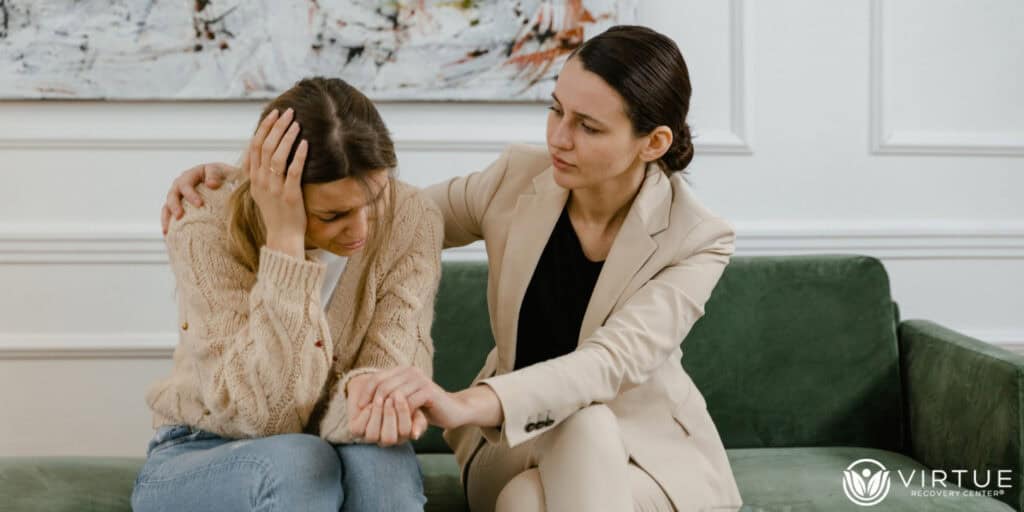 If you’ve been relying on Valium to get through hard times, recovery might feel daunting. But it’s not just about “quitting”, it’s about building a life where you don’t need the drug to feel steady.
Treatment often includes:
If you’ve been relying on Valium to get through hard times, recovery might feel daunting. But it’s not just about “quitting”, it’s about building a life where you don’t need the drug to feel steady.
Treatment often includes:
- Medical detox is the safe way to slowly stop using Valium under medical supervision so that you don’t have harmful withdrawal symptoms.
- Therapy, especially cognitive behavioral therapy (CBT), teaches you better methods to deal with stress and worry.
- Training in how to deal with stress, using things like slow breathing, meditation, or even light exercise to break old behaviors.
- Peer support: Group therapy helps you see that you aren’t the only one going through this.
- Relapse prevention is a technique for identifying triggers early and responding in healthier ways.
Withdrawal: the part no one should face alone
Valium withdrawal can be unpredictable. For some, it’s mild anxiety and restlessness. For others, it’s intense symptoms like panic attacks, insomnia, or even seizures. How you experience it depends on how long you’ve been using it, the dose, and your overall health. The safest path is always with medical supervision, never trying to quit “cold turkey.” If you want a clearer picture of what the process looks like, the video Surviving Valium Withdrawal: A Step-by-Step Timeline is a great resource for setting expectations and reducing fear.Life after Valium: handling stress without it
Once you’re free from physical dependence, the real work begins, learning how to weather life’s storms without leaning on the drug. Some helpful strategies include:- Building a support circle – Friends, family, or recovery groups you can reach out to in tough moments.
- Movement – Exercise, even something as simple as walking, can lower stress and improve mood naturally.
- Mindfulness – Meditation or breathing exercises help you pause before reacting.
- Boundaries – Saying “no” to situations that overwhelm you.
- Regular therapy – Ongoing check-ins with a professional can catch stress buildup before it leads to relapse.
Conclusion
High-stress life events can make Valium look like a solution, but it’s a short-term fix with long-term consequences. The good news? Recovery is possible, and addiction help is out there, no matter how overwhelming life feels right now. If you or someone you love is ready to take that step, Virtue Recovery Center offers compassionate, expert care. Call 866-461-3339 or contact them online to start building a healthier, drug-free future.Könnten die Stresssituationen, die zu einer Valiumabhängigkeit führen, auch das Risiko für Kratomabhängigkeit erhöhen?
Stresssituationen können erheblich zur Entwicklung von Abhängigkeiten beitragen. In einem Zustand emotionaler Belastung neigen Menschen dazu, verschiedene Substanzen zur Bewältigung zu verwenden. Die „kratombehandlung von süchte und angst“ könnte als Alternative in Betracht gezogen werden, jedoch besteht das Risiko, dass diese ebenfalls zu einer Abhängigkeit führen kann.
FAQs
Can stress alone cause Valium addiction?
Not directly, but it can make misuse more likely, especially if you already have a prescription.Is it safe to stop Valium on your own?
No. Withdrawal can be dangerous and should be medically supervised.How long does withdrawal last?
It varies; some people recover in days, others in weeks or months.Where do I start if I need addiction help?
A professional evaluation is the safest first step.Are there programs just for benzo addiction?
Yes, specialized benzo recovery centers focus on this type of dependency.Resources
- Rickels K. Benzodiazepine Dependence. 1983. PubMed
- MedlinePlus. Diazepam. 2023. https://medlineplus.gov/druginfo/meds/a682047.html
- NCBI. Benzodiazepine Withdrawal. 2020. https://www.ncbi.nlm.nih.gov/books/NBK537022/