
Recovery is just a phone call away. Our support team is available around the clock to assist you. Call (866) 461-3339.


⭐️⭐️⭐️⭐️⭐️
4.8/5 on Google from 900+ reviews
Joint Commission Accredited · Eating Disorder + SUD Specialists
Get Instant Insurance Verification

Your information is private and secure. No pressure to commit.
ACCEPTED INSURANCE


+ most major PPOs

Haley thibodeaux

Virtue Recovery changed my life. From day one, the staff made me feel truly cared for and supported—something I hadn’t felt in a long time. They weren’t just doing a job; they genuinely loved and believed in me.
Gina was especially amazing—her kindness, strength, and sincerity helped carry me through. She made me feel seen and valued every single day.
I’ve never felt more loved or understood in a place like this. Thank you, Virtue Recovery—you’ll always have a special place in my heart.
And Liz I’ll miss you
Ashley Mc
This place may have saved my life. The staff are exceptional along with the community!
I truly gained so much knowledge and insight to what I need to like life as my best self. All of the therapist are top notch as well! I feel I lucked out by choosing this center. If you are on the fence, not hesitate. This place is amazing.
Charles Cl
If youre looking for a place to recover, please do not hesitate to call this place. Ive been shown nothing but love the second I walked through the door. Food is amazing, they provide you with 10 cigs a day, you have full access to your phone after detox (except during groups & meetings ofc), they take us on outings every weekend, all the staff are beyond helpful and caring including the therapists. They really set the standard for what a rehab should be. Great job Virtue, yall are awesome!
Ashly Riddle
I can not say enough on how Virtue has saved me from myself in my addiction to alcohol! My whole life has changed for the better! Everybody here has been so supportive and caring! My counselor was Felix! He is such an amazing counselor! You’d be lucky to get him or anyone here. They are all awesome! Kenya the chef and her crew make the best meals! You will be fed well!
If I can give some advice! Do the work. Put it in! It will be so worth it 👌 I am proud to say that I am now 178 days sober! An accomplishment i could have not done on my own! Thank you Virtue!
Donald Winters
my stay here has been truly amazing. I learned so much about myself. My self esteem has gone up considerably. I want to give special thanks to all the people who work at Virtue and especially my case workers Miss Kerry and Gillian they have gone beyond my highest expectations. Thank you to everyone at Virtue for giving me a new life!
Sarah Small
Absolutely one of the best treatment facility I have been too. I was always greeted with a smile and positive attitude from staff and my peers. I really was so lost when I got here and not feeling like I knew who I was…. but they helped me find myself and I love who I am today.
Thank you to all the staff and my friends I have made along the way.
I’m glad I choose to come here.
Dedrick Freeman
Experience at Virtue was amazing. Beyond thankful for the staff. Most are in recovery which makes a huge difference. All treat you amazingly and make you feel as comfortable as you can be in rehab. Ms. Naiomi is amazing Mr. Charles and Mr. Felix are awesome. Very thankful for this experience. My second rehab now hopefully the last but this experience has definitely been the best. Thank You Virtue.
Mark Knof
Virtue center is a great place for recovery. I worked my third time coming from street drugs and it was the most success in life thanks to hardworking staff here. i was treated well from start until I went home. The food was really great. Thank you for the kind nurses specially Eric in particular. He helped me through darkest moments in my detox, I will never forget this place and tell everyone that need real help to look nowhere else but Virtue center
Jennifer Crane
I have been to a lot of detoxes throughout my life… This place was awesome.. From the time I walked in, they were very compassionate nd the week I was there they really helped me Work on my mental health and making sure when I left, I had resources.. The communication was awesome, and it still is… This place made such an impression on me.I hope to soon work at a detox.. Thank you Virtue Recovery
Marten Jameel
I had an excellent experience at Virtue Recovery. The staff showed the highest level of care, compassion, and professionalism throughout my time there. I felt fully supported in every step of the process, and their dedication truly stands out. I would highly recommend Virtue Recovery to anyone seeking quality treatment and support.
The journey of recovery from addiction extends beyond detoxification. Sustaining a drug-free lifestyle for long-term recovery requires dedication. Aftercare plays a pivotal role in ongoing care strategies.
Outpatient care covers a range of treatment intensities designed to support recovery from drug addiction, alcoholism, and co-occurring mental health conditions, without requiring an overnight stay. It’s often used as a step down after detox or residential treatment, or as ongoing support to help maintain long-term recovery.
At Virtue Recovery Center, our team understands that finding the right level of outpatient care can feel overwhelming. Whether you’ve completed a primary treatment program with us or are exploring options for the first time, we can help you understand what outpatient treatment involves and connect you with appropriate, accessible providers in your area. Our compassionate, experienced team is here to guide you toward the right next step, with no pressure and no obligation.
Outpatient treatment isn’t one-size-fits-all. Depending on someone’s needs, it can range from more structured programming to lighter ongoing support. Common levels of outpatient care include:
If you’re not sure which level fits your situation, our team can help you figure it out and connect you with the right provider. Call (866) 461-3339 for a free, confidential conversation.
At Virtue Recovery Center, our Substance Use Disorder Rehab Program is a comprehensive and evidence-based treatment program designed to help individuals overcome addiction and achieve lasting recovery. We offer a range of services, including detoxification, residential treatment, and Intensive Outpatient Programs (IOPs), tailored to meet the unique needs of each client. Our compassionate and experienced team works closely with clients to develop personalized treatment plans that address the underlying causes of addiction and provide the tools and support needed to achieve long-term recovery.
In addition to our Substance Use Disorder and Mental Health Rehab Programs, our facilities also offer a Dual Diagnosis Treatment Program specifically designed for clients dealing with both addiction and mental health disorders. Our team utilizes a holistic approach that addresses both the addiction and the underlying mental health condition. The program includes evidence-based therapies such as Cognitive Behavioral Therapy (CBT), Dialectical Behavioral Therapy (DBT), and other specialized interventions proven effective in treating co-occurring disorders. We also provide ongoing support and aftercare services to help clients maintain their recovery and achieve their long-term goals.
Our Mental Health Recovery Program is designed to help individuals struggling with mental health disorders such as depression, anxiety, bipolar disorder, and PTSD/trauma. We offer a range of services including individual therapy, group therapy, medication management, and holistic treatments to help clients achieve improved emotional, psychological, and social well-being.
Will my insurance cover an aftercare treatment program? The inclusion of aftercare treatment programs in insurance coverage is subject to various factors, such as the specific details of the insurance policy and the treatment provider involved. Most insurance plans are required to cover mental health and substance abuse treatment, which usually includes aftercare programs under the Affordable Care Act. To verify if your insurance plan covers these services, call 866-461-3339 or verify your insurance here.
What Type of Substance Addiction Do You Treat? Virtue Recovery Center offers treatment for a wide range of substance addictions, including:
What Is The Rehabilitation Process? The rehab process generally follows several steps:
How Long Are Drug and Alcohol Aftercare Programs? The length of rehabilitation programs varies based on individual needs and the severity of the addiction, ranging from short-term programs of up to 30 days to long-term programs lasting several months to a year. 60-day and 90-day options are also available depending on individual need.
Virtue Recovery Center’s nationally accredited and evidence-based programs mean that our addiction treatment methods have been rigorously evaluated and proven effective by leading organizations in the field of addiction treatment, including the Association for Addiction Professionals (NAADAC). Our commitment to evidence-based practices ensures that our clients have the best chance of achieving lasting recovery and improved well-being.
The inclusion of aftercare treatment programs in insurance coverage depends on the specific policy and the treatment provider. Most insurance plans are required to cover mental health and substance abuse treatment — including aftercare programs — under the Affordable Care Act. Some aftercare programs may not be covered by insurance, or they could necessitate out-of-pocket payments; in those cases, flexible payment plans and financial support options may be available. Call 866-461-3339 or verify your insurance here.
Aftercare is a crucial bridge between the intensive care received in a treatment program and the challenges of everyday life. It is essential in reinforcing the skills and strategies learned during primary treatment. The transition from the structured environment of rehabilitation to the unpredictability of daily life is filled with potential triggers and stressors that could jeopardize sobriety, making aftercare’s role in providing ongoing support and coping mechanisms indispensable.
Continuing care programs play a significant role in sustaining the progress achieved during rehabilitation. They offer tools to effectively handle daily life challenges, prevent relapse by managing potential trauma triggers, and contribute to emotional well-being by addressing psychological, social, and emotional aspects.
There is a range of aftercare programs available for addiction recovery, including free programs such as support groups like Alcoholics Anonymous or Narcotics Anonymous. Other aftercare programs may have associated costs, which can differ based on the type of program, the level of care required, and various other factors. Generally, outpatient programs are more affordable than residential programs since they don’t include accommodation costs. The choice between programs should be based on individual needs.
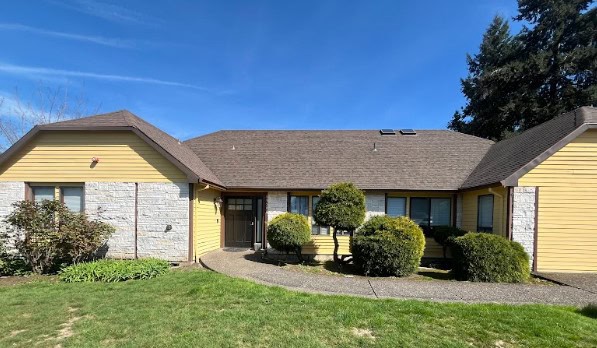
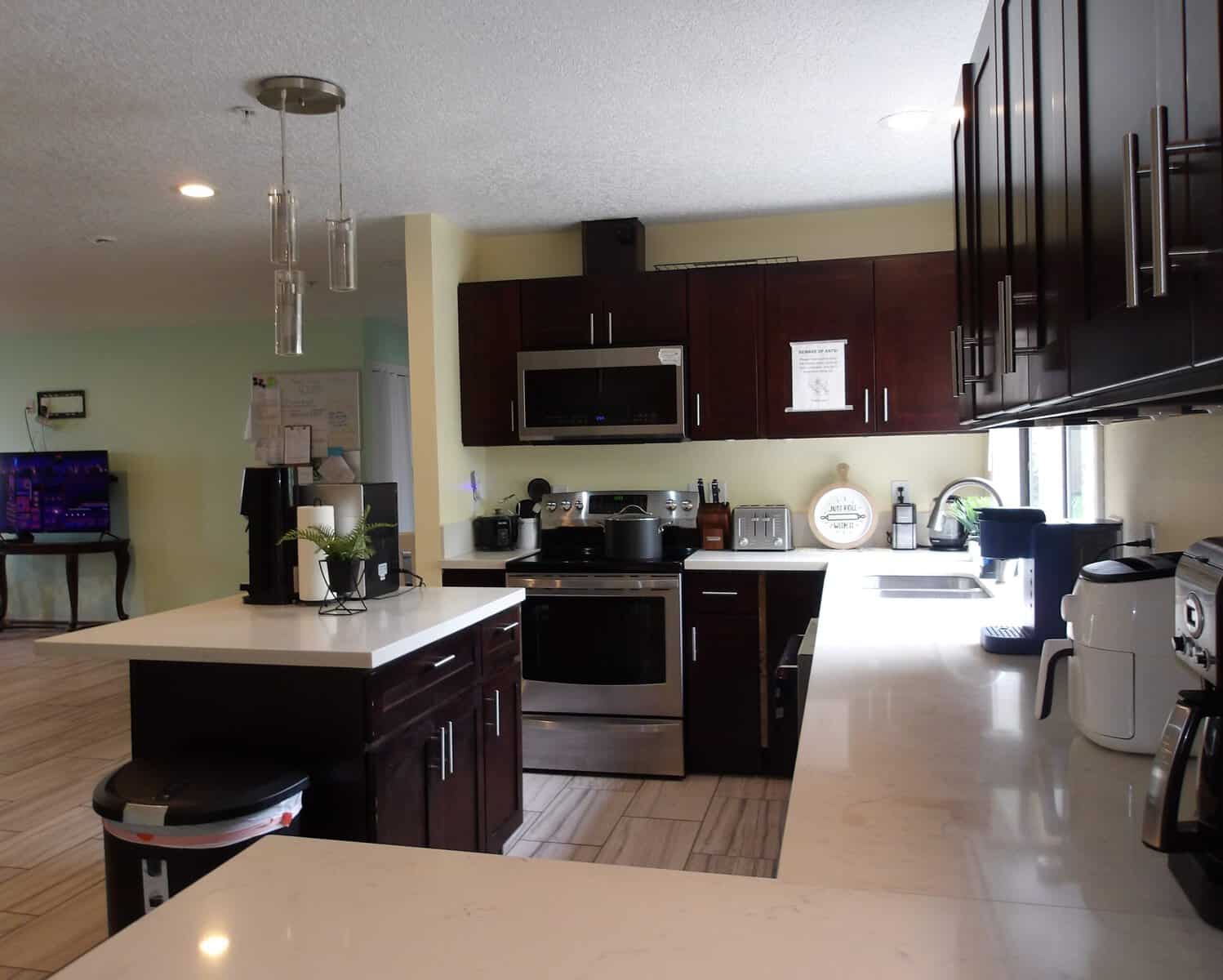
With a number of accredited treatment centers located across several states, Virtue Recovery Center has been saving lives from addiction and substance abuse for years. Call 866-461-3339 for a free assessment, or visit one of our locations:
The aftercare process in addiction recovery provides sustained support and guidance, helping you stay aligned with your treatment goals while fostering long-term sobriety. Each aftercare plan is tailored to meet individual needs and preferences. Below is a general outline of what you can expect:
Virtue Recovery Center offers a free hotline number and free professional assessments, undertaken by trained and experienced case managers. Call now on 866-461-3339.
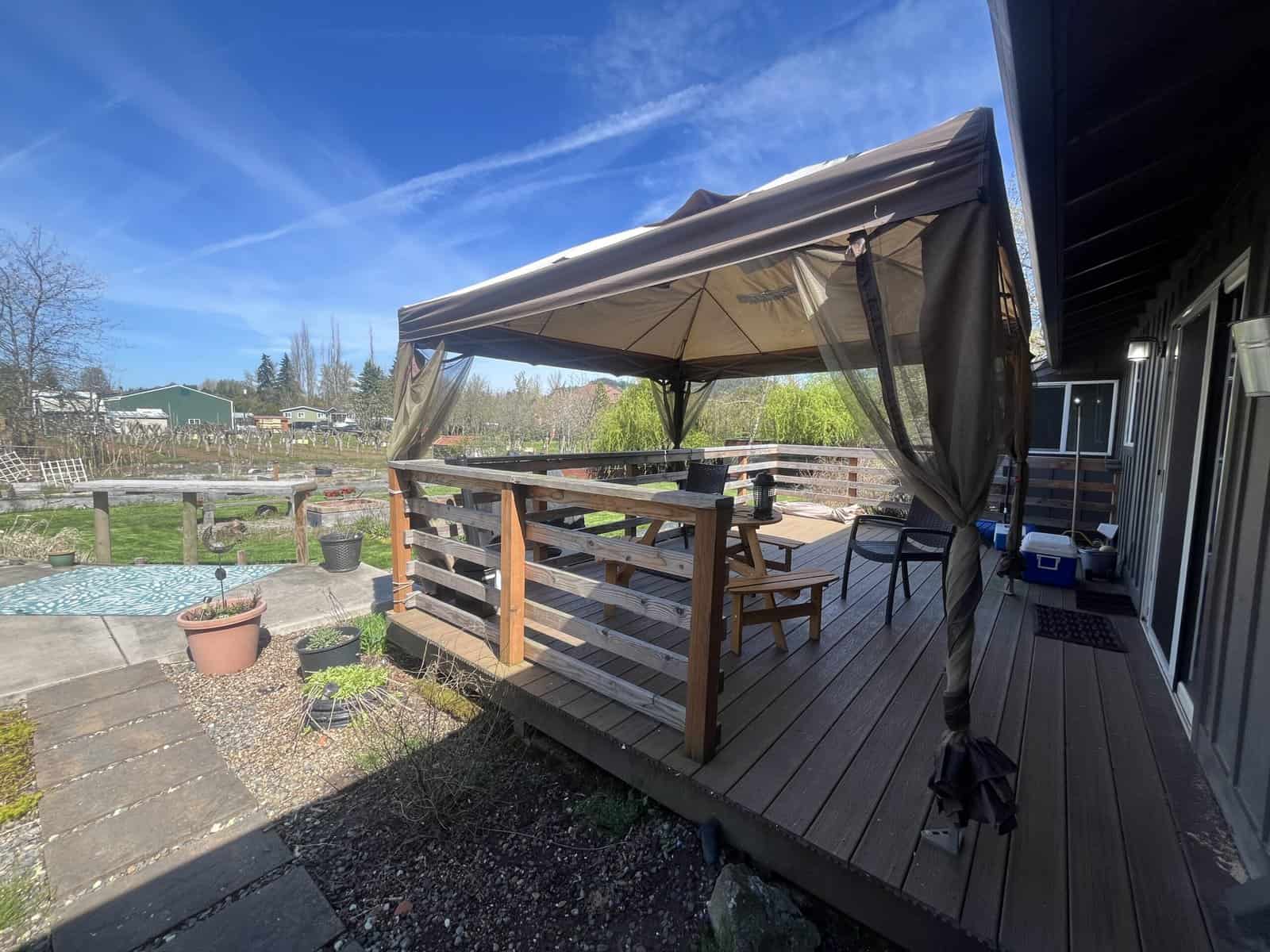
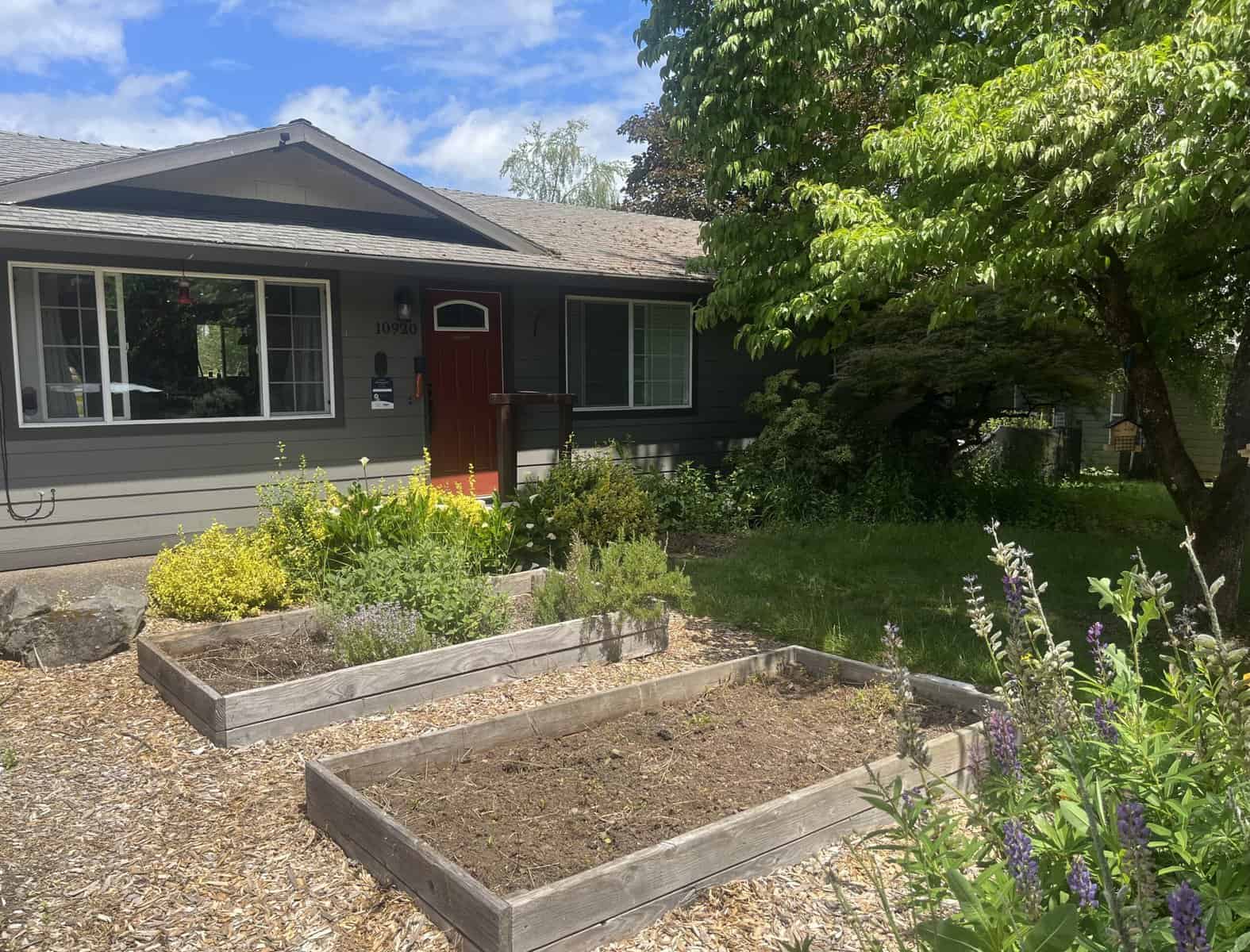
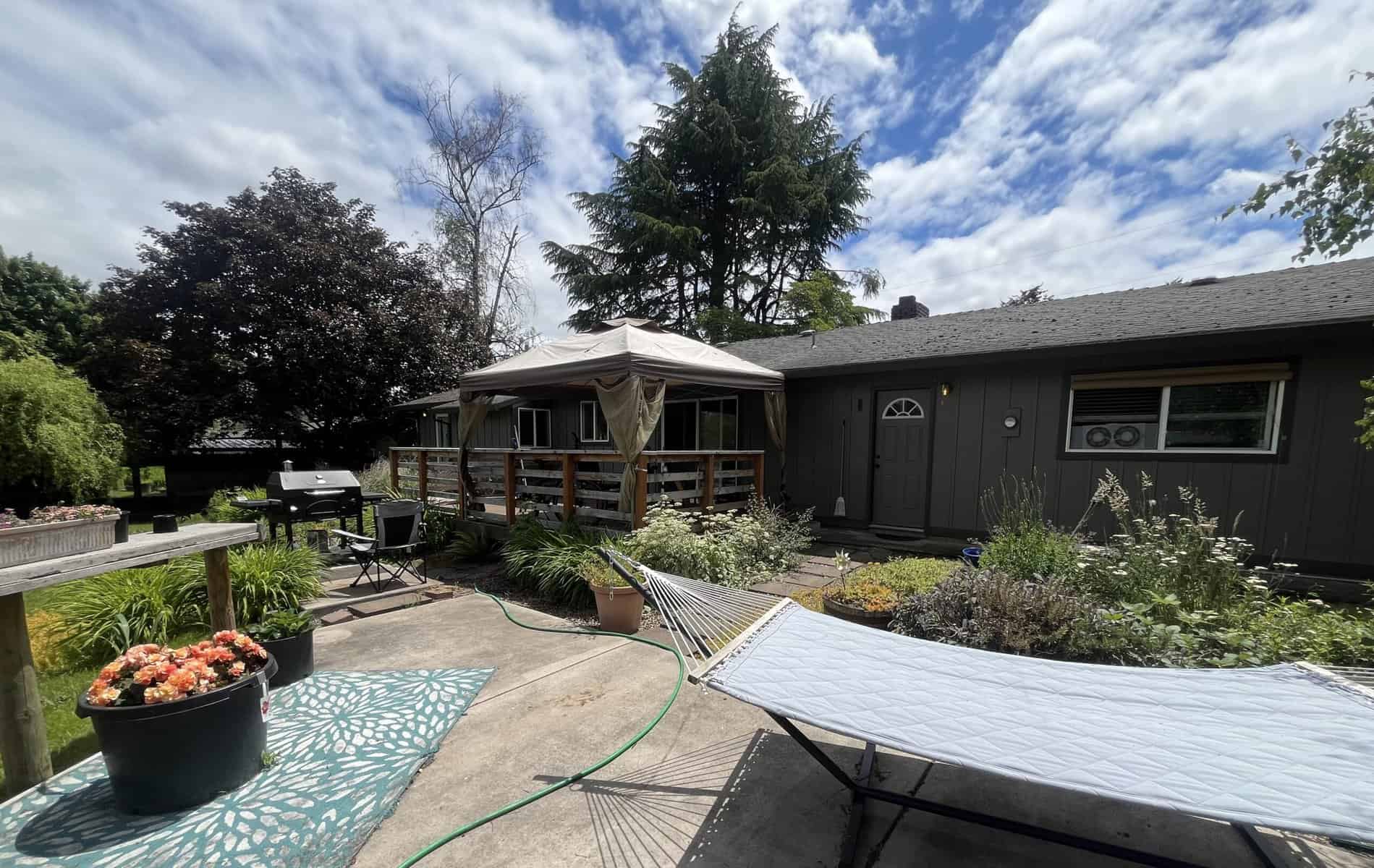
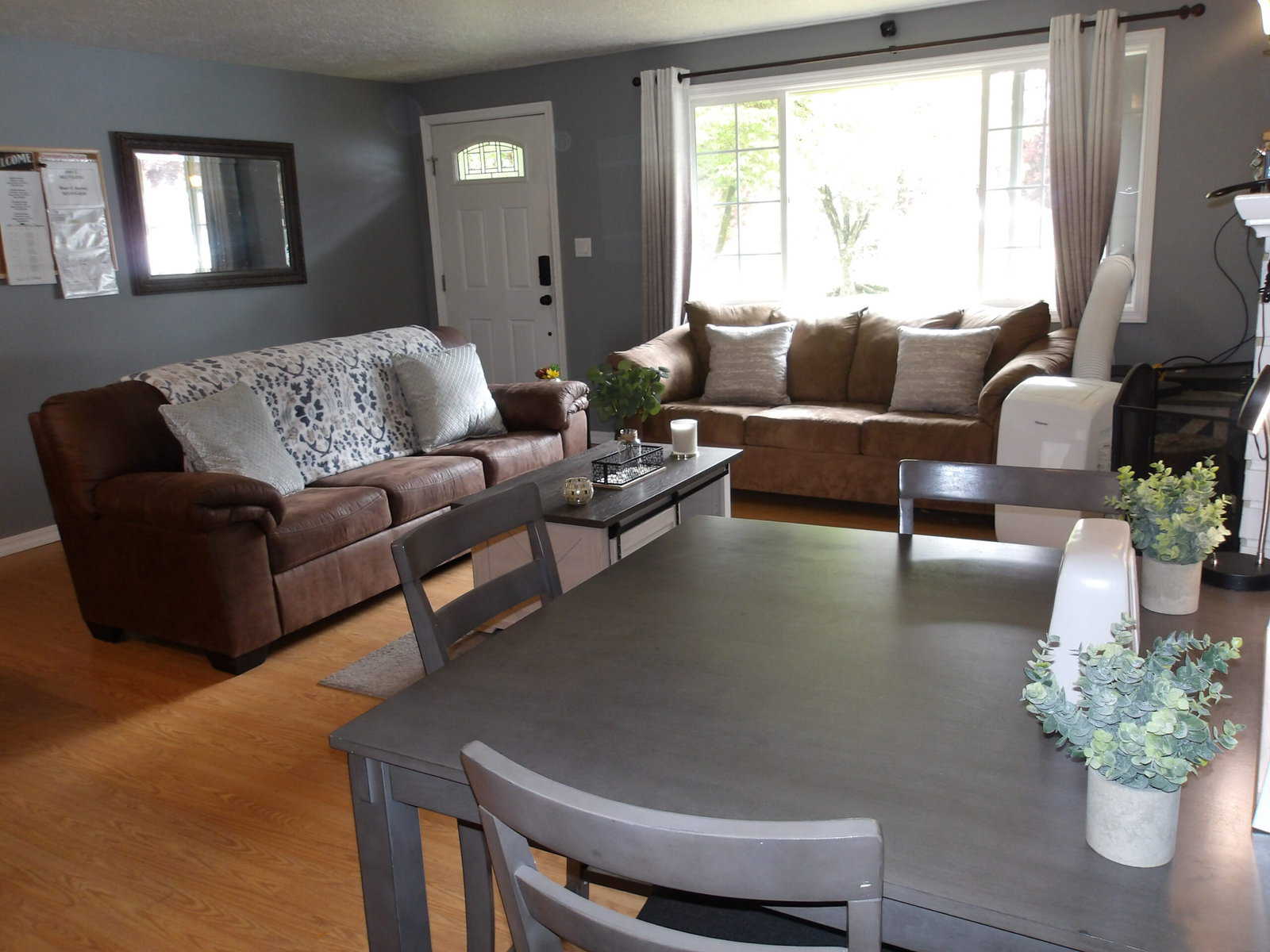
Get Instant Insurance Verification
Your information is private and secure. No pressure to commit.
Clinical excellence, trauma-informed care, and a team that stays with you — from your first call to long after discharge. You will not forget how this place made you feel.


