Best Rehab Tips For a Successful Drug Treatment Center Stay
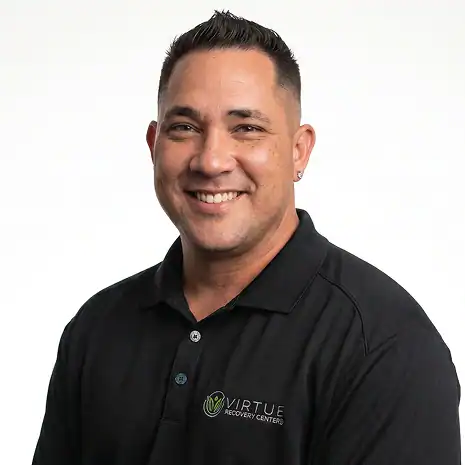
Drue Seigerman LPC, LCADC
Executive Director — Houston, TX
Drue Seigerman is a Licensed Professional Counselor and a Licensed Clinical Drug Counselor. He received his first master’s degree in Human Services from Cappella University and his second master’s degree in Marriage and Family Therapy.
As the Executive Director of Virtue Recovery Houston, Drue has developed and implemented numerous programs to meet the needs of the mental health and addiction community. For over 20years Drue has been an expert in the field of addictions and has presented at numerous national conferences on how to work with oppositional clients in the group setting. Drue has also been a guest speaker on several radio shows including NBC discussing various behavioral health topics.
As an Adjunct Professor Drue brings his knowledge in the field of mental health and addictions to students seeking to obtain certification as an alcohol and drug counselor in the state of NJ. As a former New York City Police Officer, Drue brings a unique background to the field in helping those in need.
Learn how to plan an intervention, what to say, and how to find treatment for a loved one struggling with addiction. A caring family guide to next steps.
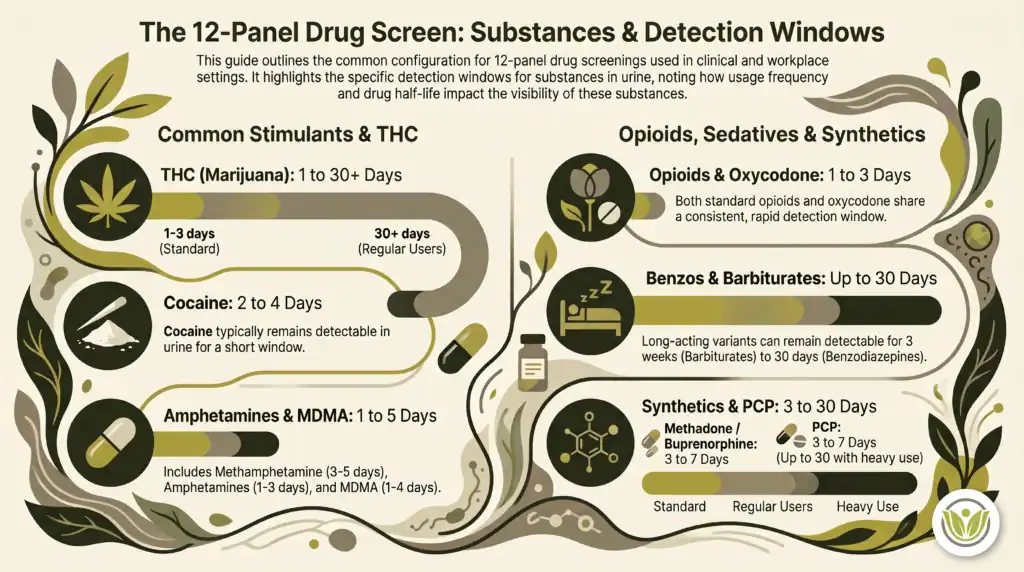
A 12-panel drug test screens for 12 substances. See what it detects, how long each stays in your system, and what triggers a false positive. Learn more.
What causes anxiety attacks? Learn how triggers and substance use impact your mental health, and discover effective treatment options at Virtue.
Drue Seigerman
We Accept Major Insurances
google reviews
Haley thibodeaux
Virtue Recovery changed my life. From day one, the staff made me feel truly cared for and supported—something I hadn’t felt in a long time. They weren’t just doing a job; they genuinely loved and believed in me.
Gina was especially amazing—her kindness, strength, and sincerity helped carry me through. She made me feel seen and valued every single day.
I’ve never felt more loved or understood in a place like this. Thank you, Virtue Recovery—you’ll always have a special place in my heart.
And Liz I’ll miss you
Ashley Mc
This place may have saved my life. The staff are exceptional along with the community! I truly gained so much knowledge and insight to what I need to like life as my best self. All of the therapist are top notch as well! I feel I lucked out by choosing this center. If you are on the fence, not hesitate. This place is amazing.
Charles Cl
If youre looking for a place to recover, please do not hesitate to call this place. Ive been shown nothing but love the second I walked through the door. Food is amazing, they provide you with 10 cigs a day, you have full access to your phone after detox (except during groups & meetings ofc), they take us on outings every weekend, all the staff are beyond helpful and caring including the therapists. They really set the standard for what a rehab should be. Great job Virtue, yall are awesome!
Ashly Riddle
I can not say enough on how Virtue has saved me from myself in my addiction to alcohol! My whole life has changed for the better! Everybody here has been so supportive and caring! My counselor was Felix! He is such an amazing counselor! You’d be lucky to get him or anyone here. They are all awesome! Kenya the chef and her crew make the best meals! You will be fed well! If I can give some advice! Do the work. Put it in! It will be so worth it 👌 I am proud to say that I am now 178 days sober! An accomplishment i could have not done on my own! Thank you Virtue!
Donald Winters
my stay here has been truly amazing. I learned so much about myself. My self esteem has gone up considerably. I want to give special thanks to all the people who work at Virtue and especially my case workers Miss Kerry and Gillian they have gone beyond my highest expectations. Thank you to everyone at Virtue for giving me a new life!
Sarah Small
Absolutely one of the best treatment facility I have been too. I was always greeted with a smile and positive attitude from staff and my peers. I really was so lost when I got here and not feeling like I knew who I was…. but they helped me find myself and I love who I am today. Thank you to all the staff and my friends I have made along the way. I’m glad I choose to come here.
Dedrick Freeman
Experience at Virtue was amazing. Beyond thankful for the staff. Most are in recovery which makes a huge difference. All treat you amazingly and make you feel as comfortable as you can be in rehab. Ms. Naiomi is amazing Mr. Charles and Mr. Felix are awesome. Very thankful for this experience. My second rehab now hopefully the last but this experience has definitely been the best. Thank You Virtue.
Mark Knof
Virtue center is a great place for recovery. I worked my third time coming from street drugs and it was the most success in life thanks to hardworking staff here. i was treated well from start until I went home. The food was really great. Thank you for the kind nurses specially Eric in particular. He helped me through darkest moments in my detox, I will never forget this place and tell everyone that need real help to look nowhere else but Virtue center
Jennifer Crane
I have been to a lot of detoxes throughout my life… This place was awesome.. From the time I walked in, they were very compassionate nd the week I was there they really helped me Work on my mental health and making sure when I left, I had resources.. The communication was awesome, and it still is… This place made such an impression on me.I hope to soon work at a detox.. Thank you Virtue Recovery
Marten Jameel
I had an excellent experience at Virtue Recovery. The staff showed the highest level of care, compassion, and professionalism throughout my time there. I felt fully supported in every step of the process, and their dedication truly stands out. I would highly recommend Virtue Recovery to anyone seeking quality treatment and support.
Going to a drug treatment center is a major decision and a positive step toward the process of rehabilitation and a drug-free lifestyle. However, going through rehab is not easy; one has to work hard and smart to increase the chances of success. Below are some of the most helpful guidelines for drug treatment centers.
Takeaways
Set Clear Goals:
Establish specific, achievable goals for your recovery to keep you focused and motivated during your stay.
Stay Engaged:
Actively participate in all aspects of the program, including therapy sessions, group activities, and educational workshops.
Build a Support Network:
Connect with fellow patients, staff, and counselors to create a robust support system beyond your treatment stay.
Create a Structured Routine:
Develop a daily routine incorporating healthy habits, self-care, and relaxation to support your mental and physical well-being.
Maintain a Positive Attitude:
Stay positive and open-minded, embracing the process and being patient with yourself as you work towards recovery.
Research the Rehab Treatment Center
Check if the facility is certified by well-known organizations like The Joint Commission or CARF (Commission on Accreditation of Rehabilitation Facilities). This shows that the center provides professional, high-standard care, including comprehensive addiction treatment. Also, it is important to check whether the facility is accredited by the state in which it is located. The facility should offer various substance abuse treatment programs tailored to individual needs.
Check Substance Abuse Treatment Approaches
Various centers may have different treatment approaches. Some may be more integrated, while others may be more specific and based on certain methods such as CBT, MAT, or 12-step programs specifically designed for treating conditions like alcohol use disorder. The center should also have specialized programs for drug addiction. Check that the center’s treatment model fits your specific wants and needs.
Verify Insurance Coverage
Since treatment is not cheap, it is important to know how much it will cost and what your insurance will pay. Call the facility’s admissions department for more information on payment methods, insurance, and the possibility of getting a scholarship. Additionally, ensure that your insurance covers ongoing treatment to prevent relapse.
Visit the Facility Beforehand
It is helpful to go to a substance abuse treatment center and see what is offered, as the information that can be obtained from brochures and websites may not be complete. A tour of the treatment center enables you to visit the area, interact with the staff, and watch how the facility functions. This lets you determine the facility’s hygiene, safety, and appearance. This is very helpful as it will make you feel more at ease and assured that you are making the right decision, knowing that the facilities and environment of the center are what you are looking for. Additionally, check if the facility offers comprehensive mental health services as part of their treatment.
Inquire About AfterCare (Continuing Care) with a Qualified Mental Health Professional
It is important to ask about aftercare when selecting a drug treatment center because aftercare is an important factor that helps in the prevention of relapse. The aftercare services usually involve counseling by a mental health professional, group meetings, and other services that can assist in preventing the patient from going back to substance use and on how to cope with life after treatment. Some programs may be facilitated by a qualified mental health professional. Knowing the available continuing care services, including outpatient services, sober living homes, or alumni programs, will give you an idea of the extent of the facility’s support for your recovery.
Evaluate Treatment Program Length
The duration of the treatment program is a crucial factor that one has to consider when selecting a drug treatment center. The length of the treatment programs also differs greatly, with the most common being a 30-day program, but it can also take several months or even a year. Longer programs are more effective for addressing issues like drug abuse as they afford more time to work on the root cause of the problem, teach the patient how to manage stress and other triggers, and lay a strong foundation for recovery. These programs are also crucial for treating alcohol abuse. These may be appropriate for those with milder cases of addiction or those who cannot afford to take time off from work or other responsibilities.
Prepare Adequately for Your Appointment and Potential Withdrawal Symptoms
Preparing for the rehab appointments and sessions is important to ensure you get the most out of them. Spend time thinking about what has happened in the last few days, weeks, or months, what you faced, and what you accomplished. Make a list of questions or issues you have in mind, including any concerns related to substance use disorder that you would like to address with your therapist or counselor. It is also important to discuss potential withdrawal symptoms and how to manage them. Preparation can assist you in maintaining your concentration during your sessions and guarantee that you are working on the most critical aspects and achieving tangible results.
Know the Rules
Knowing the rules of a drug treatment center before enrolling in one is important. Every facility will have its own rules and regulations on patient conduct, visitors, use of electronic devices, and engaging in activities and therapies. Knowing these rules will help you to be ready for the order and strictness of the treatment process. It is important to follow the rules to ensure that everyone is safe and that the environment is conducive to the recovery of all the patients. This way, you will know what to expect, which will help make the treatment process less stressful and more productive. Understanding drug rehab centers’ specific rules and regulations is crucial to ensure a smooth treatment process.
Commit Fully to the Process
Recovery is a process that is never easy, but it is worth going through. Another important factor that is often overlooked is the importance of the patient’s willingness to change during their rehab stay. It is important to know that rehab is not a cure that can be taken once and then forgotten about. Accept the treatments, engage in all the activities, and have confidence in the people helping you improve. Addressing mental health issues is also crucial as part of the commitment to the recovery process.
Set Realistic Goals
It is important to set realistic goals. Begin with simple goals that can be easily achieved and then progress to the more complex ones. It is important to take time and celebrate your achievements regardless of how small they are. This can help to boost your morale and give you the drive to keep on going further and further. Additionally, ongoing treatment and support are crucial to achieving long-term recovery goals.
Engage in Therapy Sessions
Counseling is one of the most important aspects of the rehabilitation process. Whether it is one-on-one, group, or family counseling, being an active participant in these sessions can be very helpful. It is advisable to be truthful with your therapist because this aspect can greatly improve the outcome of your treatment. Participating in substance abuse treatment programs, including inpatient and outpatient options, can further enhance the effectiveness of therapy sessions.
Build a Support Network
Fellow patients in rehab can become good friends and provide much support. Discussing with other people who are going through the same process can help with emotional support and decrease the sense of loneliness. It is also important to sustain these relationships after the completion of the rehab, as they can also be useful in the recovery process. Building a support network is crucial to help address drug addiction and maintain sobriety.
Follow a Healthy Routine
It is important to have a schedule to follow to feel more like life is somewhat normal. Adopt positive behaviors like exercising, eating a balanced diet, and ensuring enough sleep. These practices can enhance your physical and psychological health and thus enable you to deal with the challenges of rehabilitation. Following a healthy routine is also crucial for managing and recovering from alcohol use disorder.
Learn and Practice Coping Strategies
It is crucial to find ways how to manage stress and cravings to avoid falling back into old habits. Some of the strategies include mindfulness, meditation, and deep breathing. Particular skills can assist you in coping with triggers and preventing relapse after you have left the treatment center. Additionally, learning coping strategies is essential to manage withdrawal symptoms effectively.
Develop a Relapse Prevention Plan
The relapse prevention plan should be very detailed. Discuss possible cues with your counselors and how to prevent or cope with them. This plan should contain a list of contacts, ways to handle stress, and actions to be taken in case of relapse. It is also important to include strategies to manage substance use disorder in the relapse prevention plan.
How Can Rehab Support Enhance the Effectiveness of Drug Treatment for Those Undergoing Ozempic Detox?
Effective drug treatment can significantly benefit from ozempic detox and rehab support strategies. These strategies help individuals manage withdrawal symptoms, enhance motivation, and foster community connections. By integrating therapeutic approaches and personalized care, rehab support empowers patients to navigate their detox journey, improving overall treatment outcomes and promoting lasting recovery.
Develop a Relapse Prevention Plan for Substance Use Disorder
It is a long process and not a short one, it is a marathon not a sprint. It will not always be smooth sailing, but it is important to stay optimistic and not get discouraged oneself. Understand that there will be some slip back occasionally, and every day without drinking is progress. Additionally, addressing drug abuse during the recovery process is crucial for preventing death, managing withdrawal symptoms, saving relationships, and overcoming societal stigma.
Conclusion
A successful stay at a drug treatment center is a function of the patient’s effort, encouragement, knowledge, and good practices. Thus, participating in the process, establishing achievable objectives, developing a network of people to turn to, and being ready for life after rehab, you can lay a strong foundation for sustainable recovery. It is important to understand that everyone’s journey is different, and every move one makes is a win.
Addiction Help is Within Reach
Treatment centers like Virtue Recovery use evidence-based methods and compassionate care to help those with an addiction take comfort in knowing that there are robust support systems ready to guide you through this journey. Enrolling in a reputable recovery program represents an important step towards regaining a healthy, addiction-free life you are entitled to. Looking for additional tips to help you through your addiction recovery? Check out our other article on how to cope with stress in addiction recovery.
FAQ:
Q1: What should I assess my needs before choosing a treatment center? A: Assess the severity of your addiction, any co-occurring mental health conditions, and your personal preferences for treatment approaches and facility types.
Q2: How do I verify if a treatment facility is reputable? A: Look for accreditation from organizations like The Joint Commission or CARF and check the center’s licensing status with the state. I also read reviews and testimonials from former patients.
Q3: What types of treatment approaches should I consider? A: Consider evidence-based treatments such as cognitive-behavioral therapy (CBT), medication-assisted treatment (MAT), 12-step programs, and holistic approaches. Choose a center whose philosophy aligns with your needs.
Q4: Why is it important to verify insurance coverage? A: Verifying insurance coverage helps you understand what costs will be covered and any out-of-pocket expenses, allowing you to plan financially for your treatment.
Q5: What should I look for when visiting a facility beforehand? A: Evaluate the environment, cleanliness, staff interactions, and daily routines. This visit will help determine whether the facility feels comfortable and supportive and meets your needs.
Q6: What should I know about a facility’s aftercare program? A: Ensure the facility offers robust aftercare services such as ongoing therapy, support groups, and resources to prevent relapse and support long-term recovery.
Q7: Why is understanding the rules of the facility important? A: Knowing the facility’s rules helps you prepare for the structure and discipline required during treatment, ensuring a safe and supportive environment for all patients.
Q8: How does the location of the treatment center affect recovery? A: The location can impact your comfort and focus. Some people prefer being close to home for family support, while others benefit from a change of environment to minimize distractions.
These FAQs can help individuals and their families make well-informed decisions when choosing a drug treatment center.
Learn how to plan an intervention, what to say, and how to find treatment for a loved one struggling with addiction. A caring family guide to next steps.
A 12-panel drug test screens for 12 substances. See what it detects, how long each stays in your system, and what triggers a false positive. Learn more.