Orthorexia Nervosa (ON) Treatment
Orthorexia Nervosa may begin with good intentions—clean eating, healthy choices, lifestyle changes—but when it becomes obsessive and damaging, it’s time to seek help. At Virtue Recovery Center in Las Vegas, we offer specialized treatment for Orthorexia Nervosa, helping individuals reclaim their physical health, emotional wellbeing, and freedom from food fixation.
You don’t have to live by rigid food rules or fear “impurity.” You deserve a balanced, healthy relationship with food—and with yourself.
Does your health insurance cover drug and alcohol treatment? Check your insurance.
We Accept Most Insurance Plans
Treatment should be accessible. That’s why we partner with many major insurance providers to reduce barriers to care.
✅ Fast, Free Insurance Verification
✅ Private & Confidential
✅ No Commitment Required
What Is Orthorexia Nervosa?
Orthorexia Nervosa (ON) is an eating disorder characterized by an unhealthy obsession with eating only foods perceived as “pure,” “clean,” or “healthy.” While not yet officially recognized in the DSM-5, orthorexia is widely accepted by medical professionals as a serious and impairing condition.
Signs and symptoms include:
Extreme preoccupation with food quality, ingredients, or sourcing
Elimination of entire food groups (e.g., carbs, fats) without medical cause
Anxiety, guilt, or shame when “rules” are broken
Social isolation or avoiding meals with others
Nutritional deficiencies or unintentional weight loss
Orthorexia is not about weight loss—it’s about control. At Virtue Recovery Center, we understand the nuance of this disorder and provide compassionate, expert treatment to help you heal.

Learn More About Eating Disorder Treatment
Start With a Free Assessment
Our clinical team will evaluate your symptoms and recommend the best level of care for your needs.
Therapeutic Care for Orthorexia Nervosa
Treatment for orthorexia involves restoring balance—not just nutritionally, but emotionally and cognitively. Clients at Virtue Recovery Center receive individualized therapy to address the thoughts, beliefs, and behaviors driving the disorder.
Our approach includes:
Cognitive Behavioral Therapy (CBT)
Exposure and Response Prevention (ERP) for food fear
Dietitian-led nutrition rehab and education
Mindfulness & values-based interventions
Body image & perfectionism work
We help clients challenge “food morality” and relearn how to trust their bodies without shame or restriction.
Residential Orthorexia Treatment in Las Vegas
For those needing a higher level of support, our Las Vegas residential program offers 24/7 care in a structured, nurturing setting. Clients benefit from:
Round-the-clock clinical and medical support
Guided meals and meal challenges
Daily therapy sessions (individual + group)
Holistic services (e.g., yoga, art therapy, movement therapy)
Peer support in a judgment-free environment
We treat the whole person—not just the symptoms—so that healing is lasting and meaningful.
What our Clients Says About Virtue Recovery Center
Family Support for Orthorexia Recovery
Orthorexia can affect relationships and cause deep confusion for loved ones. Our family therapy and education services help bridge that gap by offering:
Understanding of what orthorexia is (and isn’t)
Tools to support recovery at home
Communication skills and boundary setting
Education on nutrition, control, and emotional triggers
Family involvement is optional, but encouraged—it’s often a vital part of long-term success.
Holistic, Trauma-Informed Healing
Orthorexia often coexists with anxiety, OCD, trauma, or perfectionism. Our trauma-informed approach ensures that treatment addresses more than just food behavior. We offer:
EMDR therapy for past trauma
Somatic and nervous system regulation
Anxiety and OCD treatment
Self-compassion and identity-building practices
Our team honors your story and builds a treatment plan around your whole self.
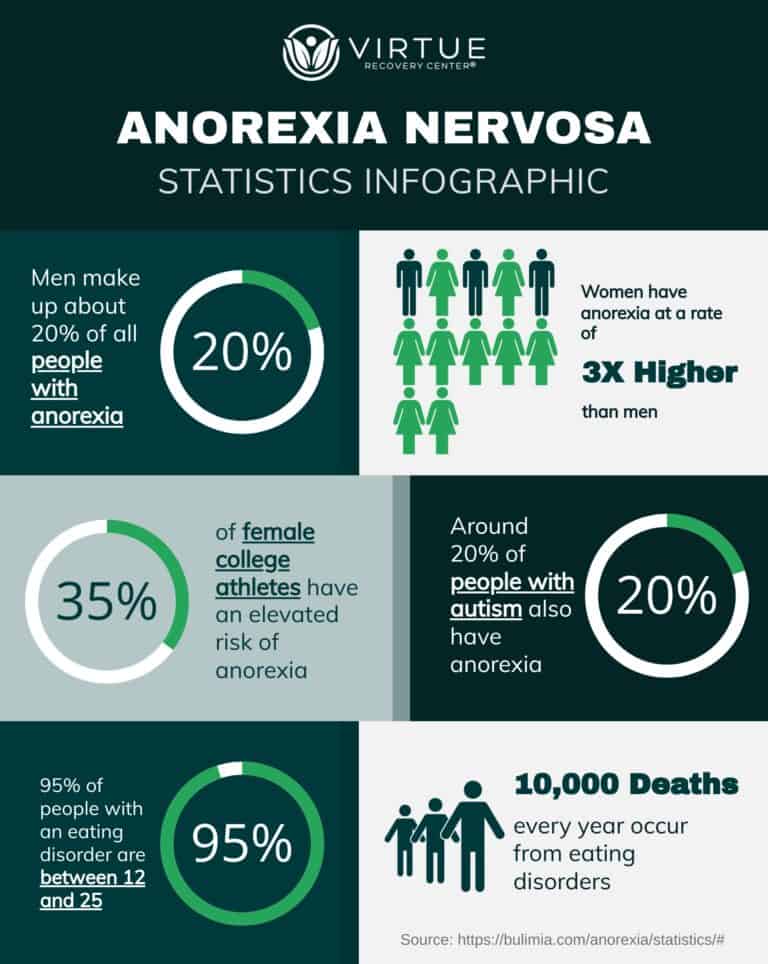
Anorexia Nervosa Statistics Infographic
While not yet included in the DSM-5, orthorexia is widely recognized and treatable as a serious eating disorder.
Healthy eating is flexible. Orthorexia involves rigid rules, anxiety, and significant life impairment tied to food purity.
Many treatment modalities overlap. We use a blend of eating disorder and anxiety/OCD therapies based on your needs.
Treatment goals depend on your physical and mental health needs. Nutritional rehab is customized and compassionate.
Yes! We provide both residential and outpatient levels of care in Las Vegas.
Family therapy is available and often recommended, depending on client preference and clinical needs.

Anorexia Nervosa
Evidence-based treatment to restore health and overcome restrictive eating and body image struggles.

Bulimia Nervosa
Compassionate care to break the cycle of bingeing, purging, and harmful eating behaviors.

Orthorexia Nervosa
Specialized treatment to heal the obsession with “clean” or “pure” eating.

Binge Eating
Comprehensive therapy to address compulsive overeating and build a healthier relationship with food.

Compulsive Overeating
Supportive programs to reduce emotional overeating and promote long-term recovery.

Rumination Disorder
Targeted treatment for chronic regurgitation and re-chewing behaviors.

OSFED
Personalized care for complex eating disorder symptoms that don’t fit one category.

ARFID
Treatment designed to help overcome restrictive eating and food avoidance.

UFED
Compassionate support for eating disorder symptoms that don’t meet specific diagnostic criteria.

Laxative Abuse
Safe, effective treatment for laxative misuse and its physical and emotional consequences.

Diabulimia
Integrated care for individuals with Type 1 diabetes who struggle with insulin restriction and eating disorder behaviors.

Body Dysmorphia
Holistic treatment to address obsessive thoughts and behaviors about perceived physical flaws.
Glossary of Key Terms in Orthorexia Nervosa Treatment
Food rules are rigid, self-imposed guidelines about what, when, or how someone should eat. In orthorexia, these rules become extreme and lead to guilt or anxiety if broken.
Clean eating refers to focusing on “pure” or “healthy” foods while avoiding those perceived as harmful. When taken to extremes, this behavior can result in orthorexia and serious nutritional deficiencies.
A nutritional deficiency happens when the body doesn’t receive enough vitamins or minerals to stay healthy. Orthorexia often causes deficiencies because many food groups are eliminated unnecessarily.
Orthorexia often shares features with obsessive-compulsive disorder (OCD), such as repetitive checking of ingredients or compulsive avoidance of certain foods. These traits reinforce rigid thinking patterns that keep the disorder active.
CBT helps individuals identify and challenge distorted thoughts around food purity and health. It is one of the primary evidence-based therapies used to treat orthorexia.
ERP is a therapy technique that gradually exposes clients to feared foods while helping them resist the urge to avoid or restrict. Over time, it reduces anxiety and rigidity around eating.
Food morality is the belief that foods can be categorized as “good” or “bad,” leading to shame when eating “unhealthy” options. This thinking pattern is common in orthorexia and must be reframed during treatment.
Registered dietitians provide guidance to restore balanced eating patterns and rebuild trust in food. In orthorexia treatment, this includes challenging rigid beliefs and reintroducing restricted food groups.
Because of fear around eating “impure” foods, people with orthorexia may avoid restaurants, family meals, or social gatherings. Addressing this isolation is an important part of recovery.
Holistic recovery goes beyond restoring nutrition—it addresses emotional health, identity, and quality of life. This approach helps clients build a healthier, more flexible relationship with food and themselves.

Cognitive Behavioral Therapy (CBT)
CBT helps clients identify and change negative thought patterns and behaviors that fuel addiction or eating disorders, replacing them with healthier coping strategies.

Dialectical Behavioral Therapy (DBT)
DBT teaches emotional regulation, distress tolerance, and mindfulness skills, supporting recovery for individuals struggling with substance use and eating disorders.

Motivational Interviewing (MI)
MI is a client-centered approach that helps individuals explore and strengthen their own motivation for positive change, making it a powerful tool in eating disorder and addiction recovery.

Psychoeducation Group Therapy
These groups provide education on addiction, mental health, and recovery strategies, empowering clients with the knowledge and tools they need to maintain long-term wellness.

Process Group Therapy
In process groups, clients share experiences and gain support while exploring emotions and behaviors in a safe, therapeutic environment that fosters healing and connection.

Meditation Therapy
Meditation promotes relaxation, stress reduction, and emotional balance, helping clients manage cravings, anxiety, and triggers throughout recovery.

Music Therapy
Music therapy uses rhythm, lyrics, and sound to promote self-expression, reduce stress, and support emotional healing in addiction and eating disorder recovery.

Yoga Therapy
Yoga integrates breathwork, movement, and mindfulness to strengthen the mind-body connection, reduce stress, and support physical and emotional recovery.

Art Therapy
Through creative expression, art therapy allows clients to process complex emotions, reduce anxiety, and explore nonverbal ways of healing during treatment.

Family Therapy
Family therapy helps rebuild trust, improve communication, and engage loved ones in the recovery process.

Therapy & Counseling
Counseling provides a safe, supportive space to address the root causes of addiction and eating disorders through personalized, evidence-based therapy.

Relapse Prevention Therapy
This therapy teaches clients how to recognize triggers, manage cravings, and maintain long-term recovery from addiction and eating disorders.

12-Step Group Therapy
Rooted in the proven 12-Step model, these groups provide structure, accountability, and peer support to guide clients toward long-term sobriety.