
Medically Supervised Detox
- Nursing on site around the clock, with comfort medication throughout
- Detox at five of our six facilities, across four states
- Already on methadone or Suboxone? Tell us on the first call
- Call and ask how soon we could arrange your admission
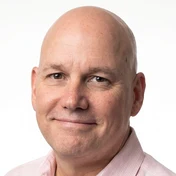
Medically reviewed by
Dr. Keith Garcia, MD, PhD, Medical Director
Last reviewed August 2026
Check your insurance

Free & confidential • No obligation • Usually answered within minutes




The honest answer
At home detox leaves out the three things that keep you safe.
-
Monitoring. Nurses checking on you through the night, not once a day.
-
Medication. Comfort medication to take the edge off, adjusted as symptoms change.
-
Somebody to act. Immediate help if something goes wrong, from people who have seen it before.
In a medical detox all three are there from the first hour, and detox runs on the same campus as residential treatment, so what comes next is already arranged.
Do not wait to see how bad it gets.
Call us and describe what is happening. If it is an emergency, call 911 first.
Call (866) 461-3339What to expect
Detox takes roughly seven to ten days, closely watched.
The exact length depends on the substance, how long and how heavily it was used, and your own health. Alcohol and benzodiazepines usually take longer; stimulants are often shorter.
24/7 monitoring
Nursing on site day and night, checking on you regularly rather than waiting to be called. Vitals, symptoms and comfort are tracked throughout.
Comfort medication
Medication to ease nausea, anxiety, insomnia and pain, adjusted as your symptoms change. The point is that you should not have to endure it.
A medical assessment first
Before anything else, so the plan fits your history, your health and what you have actually been using, including anything you are currently prescribed.
A private room
At our Las Vegas facility every client has a private room with an ensuite bath, in detox as much as in residential. Room arrangements vary by location.
Withdrawal management to ASAM 3.7
Medically monitored withdrawal management, meaning a level of medical oversight well beyond what social or outpatient detox provides.
A plan for day eight
Where you go after detox is decided during it, not at the end. In most cases that is residential treatment on the same campus, with the same team.
Detox by substance
Withdrawal is not the same for every substance.
What you are detoxing from changes the timeline, the medication and the medical risk. Each of these has its own page with the detail.
Alcohol
Among the riskier withdrawals, and one of the clearest reasons to detox under medical supervision rather than alone.
Methamphetamine
Usually shorter physically, but the crash and the cravings are severe. Support matters more than medication here.
Fentanyl
Fast onset and intense. Increasingly what people are actually using, whether or not they know it.
Opioids and heroin
Rarely dangerous, reliably miserable. Medication makes an enormous difference to how it goes.
Benzodiazepines
The other withdrawal that can be medically serious. Never stop these abruptly on your own.
Cocaine
Physically milder than people expect; the psychological side is what needs the support.
Prescription medication
Painkillers, stimulants, sleep medication. Common, and rarely what people call about first.
Kratom
Real withdrawal, frequently dismissed. We treat it as what it is.
Medication-assisted treatment
Already on methadone or Suboxone? Tell us on the first call.
Whether you can continue depends on the medication and the facility, so it belongs in the first conversation rather than being a surprise at admission. Methadone is available at our Las Vegas Corbett and Astoria facilities specifically.
Do not stop or change medication-assisted treatment on your own to prepare for admission. Let the medical team manage it.
Where detox runs
Detox at five of our six facilities.
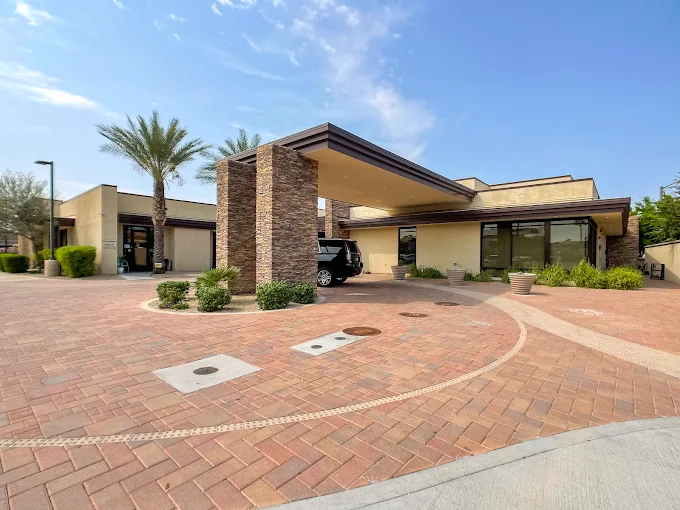
Our detox-focused facility, in the Phoenix northwest valley. Couples admitted together.
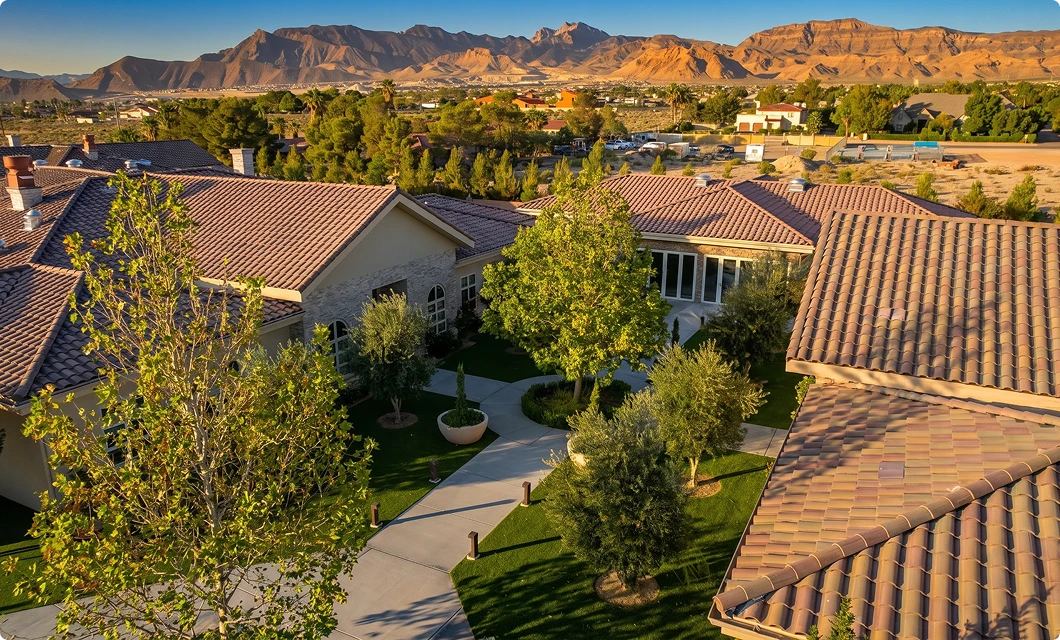
Detox and residential on one campus, private rooms throughout. Methadone available here.
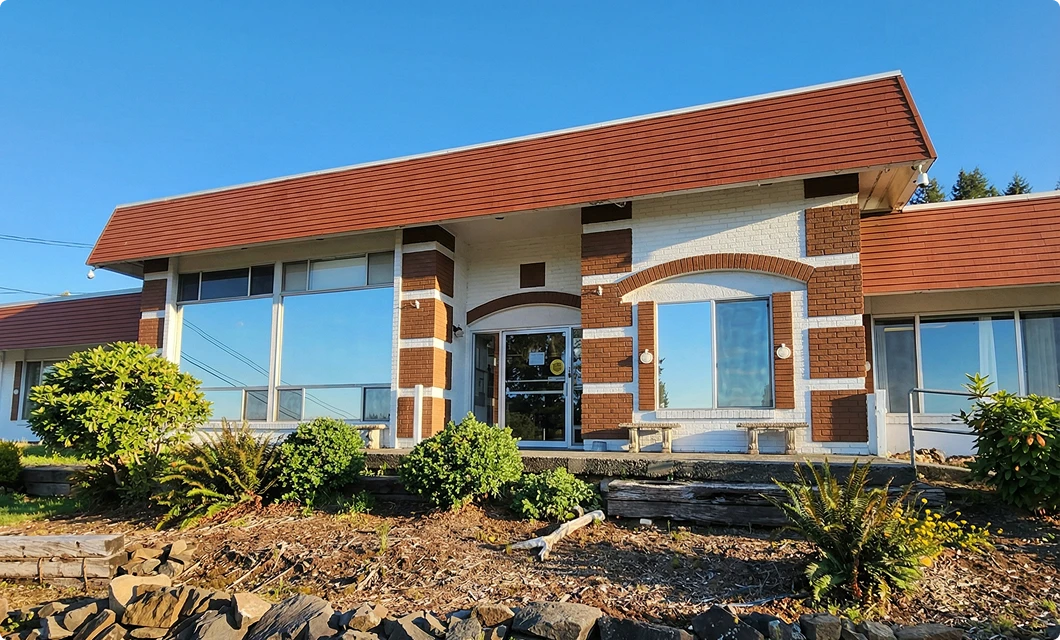
Detox and residential above the Columbia River. The other facility where methadone is available.
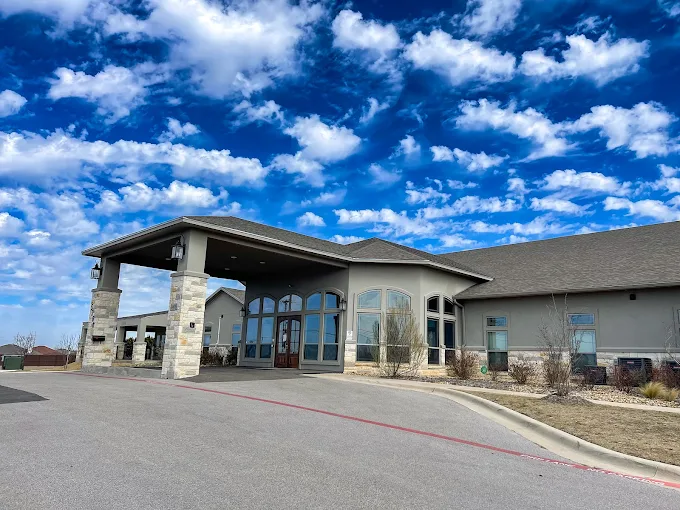
Detox and residential on one campus at both, with Warriors Path for veterans at Killeen.
Everywhere except our Las Vegas outpatient site, which is PHP and IOP only. Which one is right for you depends on where you are and what comes after detox.
If you are calling today
If you are calling today, this is what helps.
None of it is required to call. It just gets you to a real answer sooner.
- ✓ Tell us what you have been using and roughly how much — it is a medical question, not a moral one
- ✓ Mention any medication you are on, including methadone or Suboxone
- ✓ Have your insurance card if you can find it; a name and date of birth will usually do
- ✓ Ask how soon you could start. Admissions will tell you what is realistic for your situation
Nothing you say on this call is a disqualifier. It is how the medical team plans your detox safely.
In their words
What people say about detox at Virtue

The kindest people I've ever had the pleasure of meeting, catering to my every need. I freaked out while detoxing — hallucinations, bad dreams, bad come down. They made me as comfortable as they could. Not only me but everyone there. 100% best detoxing experience I've had, and I've had a few.
Sun City West, AZ · Google
The nurses are so amazing — Justin, Bre, and Jessica were so kind, amazing, and caring! I had a very difficult detox, but the nurses and staff made it so much better than I ever could have done it by myself. Thank you Virtue, and thank you Jessica, Bre, and Justin — you all are so awesome!
Sun City West, AZ · Google
This is one of the best places to detox at, a nice view of the ocean, queen size bed, meals are brought to you the first 3 days while you’re resting, easy access to the restroom, a tv in the room for you and your roommate. And if you want to go outside to smoke your cigarettes, you can ( anytime) . The staff is caring and they check in with you after you get discharged to see how you’re doing and if there is anything they can do to help. It’s hard to get to the door, the other part is just doing it and having a different perspective of how you want your life to be. I would recommend this to anyone. Thank you for the opportunity. ❤️
Astoria, OR · Google
Almost 2 years ago my fiancé and I were on death's door with awful fentanyl and meth addictions. Within a few hours they had sent an Uber to pick us up and we began our sober journey. We had done 8–9 prior detoxes and none of them would stick. This one was so welcoming and helpful. After detox they helped us find longer-term treatment. Highly recommend this location to anyone struggling like we were.
Sun City West, AZ · Google
Perfect place to detox if you're going through a difficult time. Update: I am now 289 days sober as a result of going through Virtue Detox — they really supported me when I needed it the most. They are very passionate about helping their clients and making sure they feel welcome. Thank you so much for all the support.
Sun City West, AZ · Google
I am VERY pleased with this facility and what they provided for me. The staff and nurses are amazing, super kind, and understanding. They gave me a new outlook on life and I would recommend this place to anyone struggling and needing help going through detox.
Sun City West, AZ · Google
Reviews are unedited and pulled from Google. They reflect individual experience and are not a guarantee of outcome.
Common questions
Detox questions
If you are in withdrawal now and something feels wrong, call 911 rather than reading on.
(866) 461-3339- How long does detox take?
- Most medical detox programs last around 7 to 10 days, though the exact length depends on the substance, how long and how heavily it was used, and your individual health. Alcohol and benzodiazepine detox often take a bit longer because of the medical risks involved, while stimulant detox from substances like meth may be shorter. Your medical team will assess your needs and give you a clearer timeline once you are admitted.
- Is detox dangerous — can you die from withdrawal?
- Withdrawal from some substances — especially alcohol and benzodiazepines — can be medically serious and, in severe cases, life-threatening, which is exactly why medically supervised detox matters. Under 24/7 medical care, the risks are managed safely with monitoring and medication, and most people are kept far more comfortable than they expect. Detoxing alone or cold turkey at home is what is dangerous; a medical detox program is designed to keep you safe.
- Can I detox at home?
- It is not recommended for most substances, because withdrawal can be unpredictable and, for alcohol and benzodiazepines, medically dangerous. A medical detox program provides 24/7 monitoring, medications to ease symptoms, and immediate help if complications arise — none of which are available at home. Choosing supervised detox is the safest way to get through withdrawal and gives you the strongest start to recovery.
- Will detox be painful? Do you use medication?
- A good detox program uses comfort medications to manage withdrawal symptoms and keep you as comfortable as possible — you should not have to white-knuckle your way through it. Our medical team monitors you around the clock and adjusts medications to ease symptoms like nausea, anxiety, insomnia, and pain. The goal is a safe detox that is as comfortable as possible, so you can focus on the next step of recovery.
- Can I start detox today?
- When someone is ready for help, waiting is the enemy and admissions treats it that way. The fastest way to find out is to call, and we will walk you through the next steps right away.
- I am on methadone or Suboxone — can I continue it?
- This depends on your situation and the location, so it is important to tell our admissions team during your call. Some of our facilities offer medication-assisted treatment, including methadone at our Las Vegas Corbett and Astoria locations, while others coordinate care differently — we will help you understand your options and keep your care safe and continuous. Never stop or change MAT on your own; let our medical team guide it.
- What happens after detox?
- Detox is the first step, not the whole journey — it clears the substance from your body, but lasting recovery comes from the treatment that follows. At Virtue, clients typically move from detox directly into residential or outpatient treatment, so you continue with the same team and do not have to start over somewhere new. This continuum of care gives you the best chance at lasting recovery.
- Does insurance cover detox?
- Most commercial and PPO insurance plans cover medically necessary detox. Coverage specifics depend on your plan, so the simplest next step is a free, confidential insurance verification — we will check your benefits and explain your options with no obligation.
You are allowed to ask
If you are calling for someone else
Most people who call us are calling about someone they love. You can ask about the options and check their insurance on their behalf, and it stays a conversation until you decide otherwise.
Related reading
What happens after detox
Detox clears the substance. Residential is where the work that makes it hold actually happens, on the same campus with the same team.
Read the guide →Medication-assisted treatment
How methadone, Suboxone and other MAT fit alongside detox, and which facilities offer what.
Read the guide →Insurance
We accept most major insurance plans.








And most PPO plans. Coverage varies by plan and by facility, so if your carrier is not shown, ask rather than assume.
- Free, and there is no obligation at the end of it
- Usually answered within minutes during the day
- You can check on behalf of someone else
- Admissions answers the phone 24 hours a day
- No insurance? Ask about private pay options. Nobody is turned away without knowing their next step.
Check my insurance coverage
100% confidential · No commitment required
Call before you talk yourself out of it.
Tell us what is going on. We will check your insurance while you wait, tell you which facility fits, and walk you through what happens next. Nothing you say on that call will be held against you.
Confidential. No obligation. Someone answers, 24 hours a day.